Our Vision

We exist to see an Africa where every child, no matter their socio-economic background, flourishes in safe, nurturing, and inspiring learning environments, empowered to become creative, compassionate leaders who drive peace, prosperity, and shared progress across the continent.

How We Work

We partner with communities, governments, and the private sector to transform education in underserved regions. We establish scalable, tech-enabled learning centers, empower local teachers, and provide holistic support, including scholarships, health services, and psychosocial care, to ensure every child can thrive. Through
sustained advocacy and community ownership, we embed inclusive, high-quality education into public and community systems.

frame 68474

Green Academies

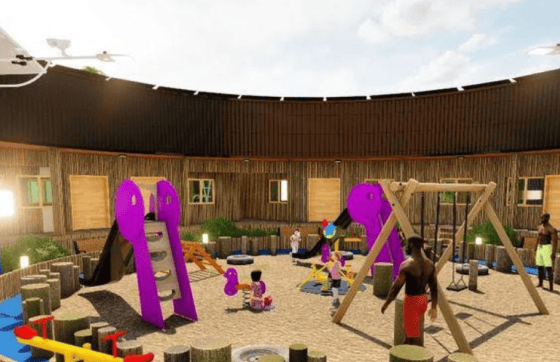
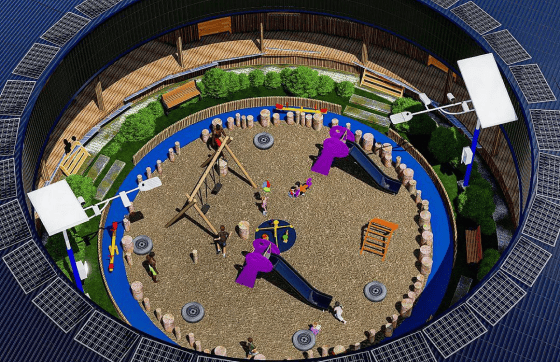
In remote, hard-to-reach communities without schools, we build sustainable, solar-powered Green Academies that bring education, safety, and hope to children who have never been in a classroom. Each Green Academy integrates technology-enabled learning, trained educators, health and nutrition support, and community participation, creating an ecosystem where children can learn, grow, and thrive.

frame 68475

Public and Community Schools

In communities where public or community schools already exist but deliver poor learning outcomes, we adopt and strengthen these schools. Through infrastructure upgrades, teacher training, digital learning tools, and curriculum enrichment, we ensure children receive the quality education they deserve.

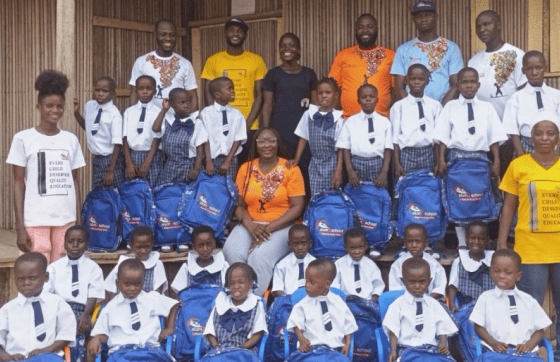
Children learning and thriving
0

In just 11 months, Slum2School learners progress from not recognising letters or counting from 1 to 10, to creating stories and solving complex math problems. Learn more about ‘what we do’ and our ‘results’

Why Are Our Core Values Important to Slum2School as an Orgnization?

We believe that every child holds the potential to transform their community, and that when children are nurtured, included, and given access to quality education and care, they can lead Africa toward a more just, innovative, and thriving future.

Service

Service to us means making intentional decisions and actions to benefit others. We put others above ourselves

Efficiency

Efficiency to us is obtaining the best possible outcome in the least wasteful manner by maintaining dynamic, relevant policies and procedures while consistently supporting a quality workforce.

Innovation

Innovation as a core value for us is a strategy to offer our beneficiaries top- tier technology that provides new, undiscovered opportunities to learn and connect with their peers.

Equality

Equality is a value that we hold strongly that all people must be treated fairly and with dignity and be able to embrace opportunities for education.

Accountability

Accountability in our core values indicates that as an organization, we are responsible for our words, our actions, and our results.

Passion

Passion is an energy that comes from within us – it is not forced on from without. It tells us why we are on this journey and what we want from it. They are our push and pull.

Sustainability

Sustainability to us is adopting and integrating human, economic, social and environmental factors into achieving the Global Goals.

Collaboration

Collaboration as a core value for us is to ensure we work together with different individuals and corporate organizations to achieve the same goal for the benefit of the communities and beneficiaries we work with.

Meet The Founder (Our Origin Story)

Orondaam Otto didn’t set out to be a humanitarian. He was 24, with a medical background, working a comfortable job in the corporate sector. But everything changed the day he walked into Makoko – the largest floating slum community in Africa.

Awards / Accreditation

Pledge a Birthday

Pledge a Birthday

References

  1. Global Education Monitoring Report Team (2016). Education for people and planet: creating sustainable futures for all.
  2. Comms, D. (2021). The ripple effects of investing in girls’ education. Plan International Australia.
  3. Comms, D. (2021). The ripple effects of investing in girls’ education. Plan International Australia.
  4. Comms, D. (2021). The ripple effects of investing in girls’ education. Plan International Australia.
  5. Global Education Monitoring Report (2023). 244M children won’t start the new school year.
  6. World Bank. (2019). Ending learning poverty: What will it take?
  7. Fatunmole, M. (2023). Key data on early childhood education in Nigeria. The ICIR- Latest News, Politics, Governance, Elections, Investigation, Factcheck, Covid-19
  8. Enoch, A. (2024) Quality education delivers growth – but Africa’s scorecard remains poor. ISS Africa.
  9. UNESCO. (2022). 244 M children won’t start the new school year. Paris: UNESCO.
  10. Fatunmole, M. (2023). Key data on early childhood education in Nigeria. The ICIR- Latest News, Politics, Governance, Elections, Investigation, Factcheck, Covid-19.
  11. World Bank. (2019). Ending learning poverty: What will it take?. World Bank.
  12. Quality education delivers growth – but Africa’s scorecard remains poor | ISS Africa. (n.d.). ISS Africa.
  13. Heminway, J., & Heminway, J. (2023). Why Becoming Educated is Hard in Sub-Saharan Africa – Especially for Girls – The Water Project. The Water Project.
  14. UNICEF, (2021), Transforming Education in Africa.
  15. World Economic Forum. (2023), How Africa’s youth will drive global growth.

Every sponsorship supports:

  • Construction: Eco-friendly school facilities built with locally sourced, sustainable materials

  • Innovation: Solar power, rainwater collection, biogas, gardens, and internet access.

  • Learning & Support: Scholarships, teachers, health services, and psychosocial care.

  • Sustainability: Training, monitoring, and integration into public systems.

9

Library & Innovation Lab

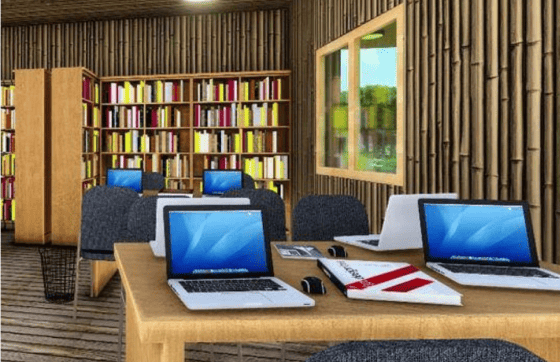
Every Green Academy includes a library, STEM and Innovation lab, giving children access to books, technology, and digital resources. This opens doors to coding, research, and global learning experiences that prepare them for the future.

8

Biogas Systems

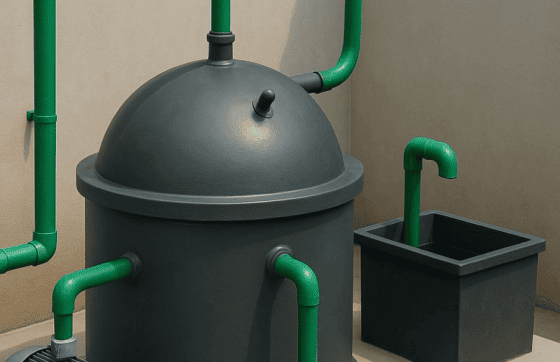
Waste from the school is converted into biogas through a clean, closed-loop system. This provides safe cooking energy and powers the backup generator – reducing pollution, improving sanitation, and teaching children about renewable energy in action.

 
7

Full Annual Scholarships

Each Green Academy provides 250+ underserved children with free, high-quality education. Scholarships cover tuition and also books, meals, healthcare, psychosocial support, and skills development, ensuring every child has the tools to thrive.

6

Open-Air Design

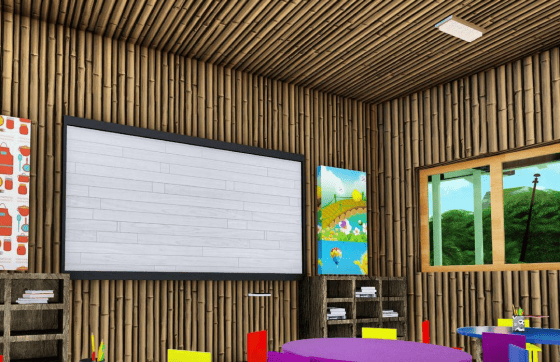
Classrooms are designed with circular, open-air structures that maximize natural airflow and light. This reduces heat, lowers energy use, and creates healthier learning environments, without the need for costly air conditioning.

 
5

Rainwater Systems

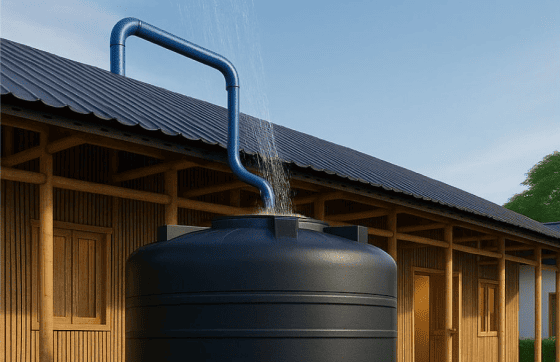
Green Academies are built with rooftop rainwater collection systems. Rainwater is stored, filtered, and treated to provide safe drinking water for students, teachers, and the wider community-improving health and reducing time spent fetching water.

4

Gardens & Biodiversity

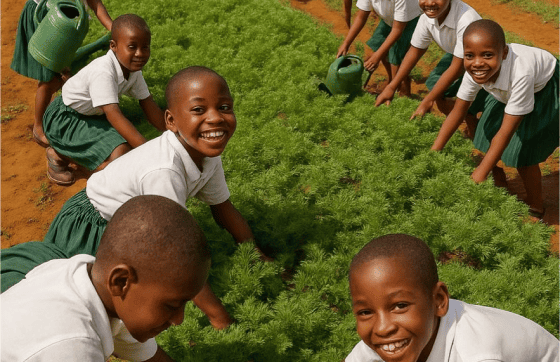
Outdoor gardens and biodiversity spaces make learning hands-on and holistic. Children grow food, study ecosystems, and learn sustainable
agriculture. These green spaces also support nutrition programs, providing fresh produce for students.

3

Satellite Internet

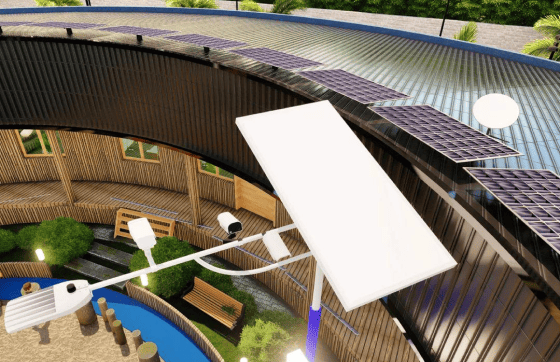
For many communities, Green Academies provide their very first internet connection. Through satellite technology, children gain access to digital learning, global knowledge, and virtual mentorship. It also connects teachers and families to new opportunities and resources.

 
2

Solar Power

Every Green Academy runs fully on clean solar energy. This ensures classrooms, labs, and digital tools stay powered without reliance on
unstable grids or generators. With solar, learning continues seamlessly, even at night or during power cuts.

1

Built with sustainably sourced bamboo, reclaimed wood, and locally sourced materials- reducing carbon emissions while providing durable, safe spaces for learning. These materials are low-cost, renewable, and naturally cooling, perfect for Africa’s climate.