Our Strategy
For Every Child, Education and a Bright Future
Slum2School Africa 2025 - 2030 Strategic Plan
Africa faces an education crisis of unprecedented scale with the highest rate of out-of-school children globally, caused by barriers such as poverty, gender discrimination, and inadequate infrastructure, and fueled by the impact of the COVID-19 pandemic, with exclusion rates particularly acute in marginalized communities
Approximately 98 million children of primary and secondary school age are still out of school in Sub-Sahara Africa. Over one-fifth of children between the ages of about 6 and 11 are out of school, followed by one-third of youth between the ages of about 12 and 14. According to UIS data, almost 60% of youth between the ages of about 15 and 17 are not in school.

By 2050, Africa will be home to 1 billion children and adolescents aged 0-18. Without urgent action, the situation will likely get worse as the region faces a rising demand for education due to a still-growing school-age population.
Our Region is Unique
Sub-Saharan Africa is a region of extraordinary diversity and potential.
We call it the ”Heart of Africa”. It is home to vibrant cultures, thousands of languages, and dynamic communities rooted in rich histories and traditions.

Our region is blessed with youthful energy – over 60% of the population is under the age of 25 – offering one of the greatest demographic opportunities the world has ever seen.
It is a land of resilience, innovation, and hope, where children and young people dream of a brighter future despite formidable challenges. Yet, Sub-Saharan Africa also faces profound inequalities.
Many countries continue to struggle with poverty, political instability, and limited access to quality education, health care, and infrastructure. The impact of conflict, climate change, and systemic exclusion has further deepened these gaps.
While global movements promise progress, millions of children here still face daily barriers that keep them out of school and away from opportunity.
Slum2School Africa is Unique
Within Sub-Saharan Africa, Slum2School Africa holds a unique position in driving systemic solutions to the education crisis across underserved and marginalized communities.
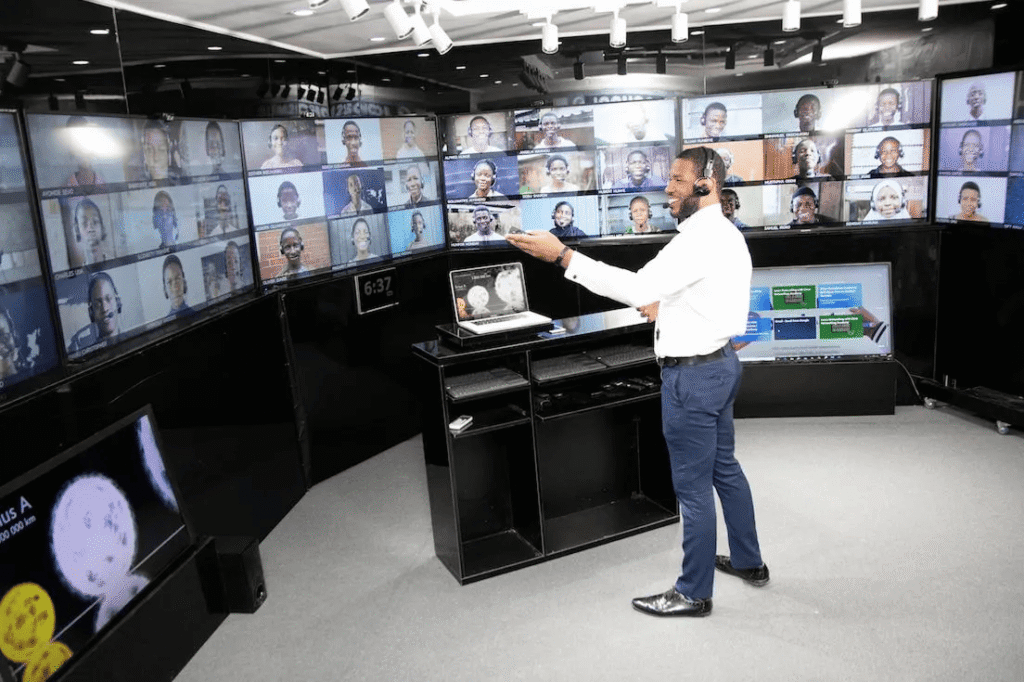
We bridge the gap between community-based interventions and large-scale policy influence – linking innovation on the ground with national and continental education reforms. We combine direct child-centered impact, technological innovation, community mobilization, and multi-stakeholder partnerships across sectors.
As a pioneer emerging from within the communities we serve, we go beyond addressing symptoms to transforming systems – reimagining education in Africa, for Africa, and with Africa.

Our Belief
We believe that every child holds the potential to transform their community, and that when children are nurtured, included, and
given access to quality education and care, they can lead Africa toward a more just, innovative, and thriving future.
Our Vision
We exist to see an Africa where every child—no matter their background, thrives in safe, nurturing learning environments and grows into a leader driving peace and shared prosperity.
Achieving Our Vision for Sub-Saharan African
The scale of educational exclusion and inequality in Sub-Saharan Africa demands bold, accelerated action—and collaboration like never before. Our strong belief in people-powered progress drives our partnerships across sectors and communities. Together, we are building a movement for a future where every child is educated, youths are empowered, and every community can thrive.
This bold transformation is guided by our strategic priorities and programs, and contributes to broader global goals on education, equity, and inclusive development. As a region, we must achieve the following goals:
- Ensure every child has access to inclusive, quality education and support systems (→ zero exclusion from learning).
- Empower youth as drivers of sustainable development, innovation, and resilience (→ a generation leading Africa’s transformation).
To achieve this, we need widespread investment in education, systems that prioritize children and youth, and governance that centers equity, innovation, and accountability. Slum2School will strengthen its role as a catalyst for change—leading by example, accelerating impact, and amplifying the collective voice for Africa’s children.
Goal 1
Every Child Learning
All children, especially the most vulnerable, have access to inclusive, quality education and holistic support systems.
Goal 2
Youth Empowered for Transformation
Young people are equipped with skills, agency, and opportunities to drive sustainable growth and lead change in their communities and beyond.
Goal 3
Equity-driven systems and governance
Public, private, and community systems prioritize equity, innovation, and accountability in delivering education and support for children and youth.
Goal 4
Collective Action for Impact
Millions across Africa are engaged as champions—co-creating, funding, and advancing education and youth development.
Slum2School is a catalyst for systemic change

Bringing the Plan to Life
The ambitious goals and outcomes set forth in the Strategic Plan are designed to transform education access and equity across Africa. To deliver on this vision, we must activate the levers that drive change through selected key areas of work, and build the enabling conditions that sustain impact.
Key Areas of Work
- Access to Quality Education
- Learner Well-being & Protection
- Youth Agency & Skills
- Education Innovation & Scale
Strategic Enablers
- Partnerships & Engagement
- Policy & Systems Strengthening
- Finance & Sustainability
Key Areas of Work
Access to Quality Education

What does success look like
- 10 million children across SSA enrolled and supported through inclusive, quality, and equitable education programs. 50% reduction in the number of out-of-school children in Slum2School’s operational regions.
- 95%+ learners achieve grade level in literacy and numeracy across Slum2School-supported communities. Digital learning reaches 5 million children, with inclusive EdTech platforms scaled across 10 countries in Sub-Saharan Africa.
- 100,000 education champions mobilized (teachers, volunteers, youth leaders) to sustain learning support across regions
- Inclusive education policies influenced with Nigeria and other countries on track to meet SDG 4 (Quality Education) for marginalized populations.
What is at Stake
- Over 98 million children in Sub-Saharan Africa are out of school — West Africa accounts for nearly 40%, with Nigeria alone contributing 10.2 million, the highest globally (UNESCO, 2023).
- Girls make up over 55% of the out-of-school population in SSA; in Northern Nigeria, just 1 in 4 girls completes secondary school due to early marriage, poverty, and gender-based barriers (UNICEF, 2022).
- SSA is undergoing a youth boom: by 2030, 750 million people under 25 will live in the region — yet 70% of 10-year-olds can’t read a simple sentence (World Bank, 2022).
- In urban slums, children are 3x more likely to drop out due to poverty, insecurity, and poor infrastructure. Slum populations in cities like Lagos, Nairobi, and Kinshasa are growing by 4%+ annually (UN-Habitat, 2023).
- Fewer than 10% of children with disabilities in SSA attend school, largely due to stigma, inaccessible classrooms, and policy neglect (World Bank, 2020).
- Only 1 in 5 schools in SSA has electricity, and less than 10% have internet access, excluding millions from digital learning (UNESCO-UNICEF, 2023).
- The learning crisis could cost SSA $500 billion per year in lost productivity(World Bank, 2022).

Learners Well being and Protection

What does success look like
- 10 million children across SSA supported with holistic psychosocial care, health, nutrition and protection services, reducing school dropout and improving learning outcomes. Girls, children with disabilities, and conflict-affected learners have equitable access to safe, inclusive, and responsive learning environments.
- Mental Health and Well-being Toolkits provided for teachers, caregivers, and frontline volunteers across communities.
- Community-based protection networks established in all areas of operation.
- Slum2School plays a leading role in shaping national and regional child protection and well-being policy frameworks across SSA countries.
What is at Stake
- Over 230 million children in SSA experience learning in environments where violence, trauma, hunger, and abuse are prevalent, directly undermining their academic performance and long-term development (UNICEF, 2023).
- In Nigeria alone, 1 in 4 children under 18 has experienced physical, emotional, or sexual abuse, while over 1 million children have been displaced by conflict, especially in the North-East (Nigeria VAC Survey, 2022).
- Children living in slums are up to 3 times more likely to face violence, neglect, hunger, and unsafe learning environments (UN- Habitat, 2023).
- Suicide is now the third leading cause of death among 15–19-year-olds in SSA, with mental health conditions often undiagnosed and untreated due to stigma and lack of services (WHO, 2022).
- Only 9 countries in SSA have child protection systems that meet minimum standards, and fewer than 15% of schools in the region have access to psychosocial or child protection services (Save the Children, 2022).
- Poor learner well-being compounds learning poverty: Children dealing with trauma and hunger are less likely to stay in school, graduate, or reach their potential, threatening long-term social mobility and economic stability across the region.

Youth Agency and Skills

What does success look like
- 5 million youth across SSA have acquired future-ready skills, transitioned into decent jobs, or launched community-impact ventures.
- Slum2School becomes a recognized youth innovation accelerator across Africa, building scalable models for youth empowerment and agency.
- Digital, green, and creative economy skills become embedded in our learning curricula across all regions of operation.
- Youth with disabilities, girls, and marginalized groups have equitable access to leadership programs, mentorship, and entrepreneurship platforms.
What is at Stake
- By 2030, Sub-Saharan Africa will be home to over 750 million people under the age of 25 — the world’s largest concentration of youth (UN DESA, 2023). Without urgent investment in skills, leadership, and opportunity, this demographic dividend risks becoming a destabilizing force.
- Over 140 million African youth are unemployed or underemployed, while only 1 in 10 acquire the skills required for the future of work, especially in tech, green, and creative sectors (ILO, 2022).
- Less than 5% of secondary school students across SSA receive vocational, technical, or life skills training, limiting their capacity to transition into productive adulthood (UNESCO, 2022).
- Youth in slums and marginalized communities are often excluded from leadership spaces, civic platforms, and innovation ecosystems, weakening their ability to shape their futures and communities.
- Without agency and skills, SSA could lose up to $500 billion annually in productivity and economic growth by 2050 (World Bank, 2022).
Education Innovation and Scale

What does success look like
- Slum2School’s innovations have been scaled to reach over 20 million children across 10+ countries in SSA, improving access, equity, and outcomes, and driven by CSOs and local actors.
- Tech-enabled, child-centered learning models are institutionalized in public and low-cost private schools, including in fragile and informal settings.
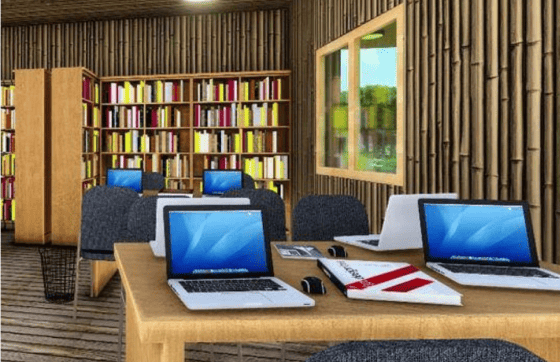
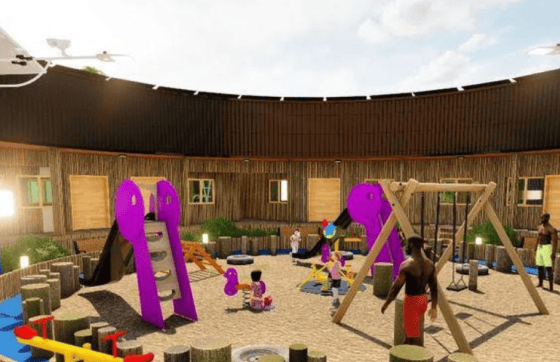
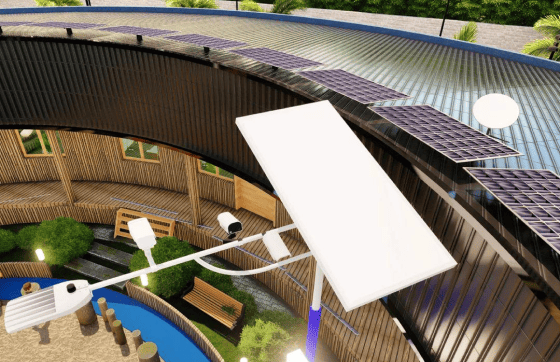
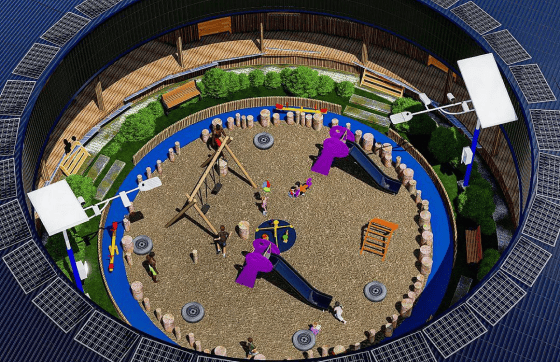
- Every Slum2School-supported community has access to connected, climate-smart, inclusive learning spaces that inspire innovation and growth.
- National and regional governments adopt Slum2School’s innovation frameworks, and fund long-term integration into public education systems. Teachers and school leaders are equipped with 21st-century teaching skills, supported by real-time data tools and peer learning networks.
What is at Stake
- Current education models are failing to meet the needs of displaced children, children with disabilities, and those in fragile contexts, especially in rapidly growing urban slums.
- The COVID-19 pandemic revealed the fragility of traditional education systems across Africa, with over 250 million learners affected by school closures and limited alternatives.
- Without transformative innovation and scale, SSA risks an entrenched learning crisis, widening inequality, and a generation unprepared for future challenges and opportunities.