Class Teacher

Location: Saga, Epe, Lagos State

Slum2School is seeking a dedicated and dynamic Teacher to join our team at an underserved community school. This role is critical in providing quality education and fostering a supportive learning environment for children who face significant educational challenges.


As a Teacher, you will be responsible for designing and delivering engaging lessons that cater to a diverse student body. A key aspect of this role is proficiency in computing, enabling you to integrate technology effectively into your teaching methods. Additionally, competency in French is highly desirable, as it will enhance your ability to connect with a wider range of students and support their language development.


Your responsibilities will include creating a positive classroom atmosphere, assessing student progress, and working collaboratively with parents and community members to support student success. You will also participate in ongoing professional development and contribute to school-wide activities and initiatives.


The ideal candidate will bring a strong educational background, a passion for teaching in underserved communities, and the ability to leverage computing skills and potentially French language proficiency to enrich the educational experience.


Responsibilities:

1. Teaching and Curriculum Delivery:

    • Plan, prepare, and deliver engaging lessons that meet the diverse needs of students.
    • Develop and implement a comprehensive curriculum that aligns with educational standards.
    • Utilize a variety of teaching methods and instructional strategies to enhance student learning.

2. Student Assessment and Progress Monitoring:

  • Assess students’ progress through regular evaluations, tests, and assignments
  • Maintain accurate records of student performance and provide feedback to students and parents.
  • Identify and address individual learning needs and provide additional support as necessary.

3. Classroom Management:

    • Create a positive, inclusive, and safe learning environment that encourages student participation and engagement.
    • Establish and maintain classroom rules and procedures to ensure an orderly environment.
    • Handle disciplinary issues promptly and effectively in accordance with school policies.

4. Professional Development:

    • Participate in professional development opportunities to stay current with educational best practices and innovations.
    • Collaborate with colleagues to share resources, ideas, and strategies for effective teaching.
    • Attend staff meetings, training sessions, and other school-related events as required.

5. Community Engagement:

    • Foster strong relationships with parents, guardians, and community members to support student success.
    • Participate in community outreach programs and initiatives to promote the importance of education.
    • Work with Slum2School volunteers and partners to enhance the educational experience of students.

6. Administrative Duties:

    • Prepare and submit lesson plans, progress reports, and other required documentation in a timely manner.
    • Assist in the organization of school events, activities, and extracurricular programs.
    • Perform other administrative tasks as assigned by the school administration.

Qualifications:

  • Bachelor’s degree in Education or a related field.
  • Valid teaching certification.(TRCN)
  • Experience teaching in underserved communities is preferred.
  • Strong communication and interpersonal skills.
  • Ability to adapt teaching methods to meet the needs of diverse learners.
  • Commitment to the mission and values of Slum2School.
Pledge a Birthday

Pledge a Birthday

References

  1. Global Education Monitoring Report Team (2016). Education for people and planet: creating sustainable futures for all.
  2. Comms, D. (2021). The ripple effects of investing in girls’ education. Plan International Australia.
  3. Comms, D. (2021). The ripple effects of investing in girls’ education. Plan International Australia.
  4. Comms, D. (2021). The ripple effects of investing in girls’ education. Plan International Australia.
  5. Global Education Monitoring Report (2023). 244M children won’t start the new school year.
  6. World Bank. (2019). Ending learning poverty: What will it take?
  7. Fatunmole, M. (2023). Key data on early childhood education in Nigeria. The ICIR- Latest News, Politics, Governance, Elections, Investigation, Factcheck, Covid-19
  8. Enoch, A. (2024) Quality education delivers growth – but Africa’s scorecard remains poor. ISS Africa.
  9. UNESCO. (2022). 244 M children won’t start the new school year. Paris: UNESCO.
  10. Fatunmole, M. (2023). Key data on early childhood education in Nigeria. The ICIR- Latest News, Politics, Governance, Elections, Investigation, Factcheck, Covid-19.
  11. World Bank. (2019). Ending learning poverty: What will it take?. World Bank.
  12. Quality education delivers growth – but Africa’s scorecard remains poor | ISS Africa. (n.d.). ISS Africa.
  13. Heminway, J., & Heminway, J. (2023). Why Becoming Educated is Hard in Sub-Saharan Africa – Especially for Girls – The Water Project. The Water Project.
  14. UNICEF, (2021), Transforming Education in Africa.
  15. World Economic Forum. (2023), How Africa’s youth will drive global growth.

Every sponsorship supports:

  • Construction: Eco-friendly school facilities built with locally sourced, sustainable materials

  • Innovation: Solar power, rainwater collection, biogas, gardens, and internet access.

  • Learning & Support: Scholarships, teachers, health services, and psychosocial care.

  • Sustainability: Training, monitoring, and integration into public systems.

9

Library & Innovation Lab

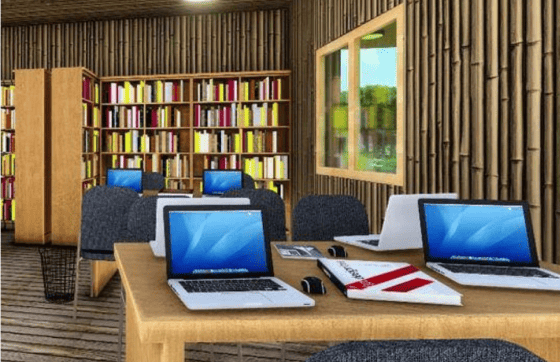
Every Green Academy includes a library, STEM and Innovation lab, giving children access to books, technology, and digital resources. This opens doors to coding, research, and global learning experiences that prepare them for the future.

8

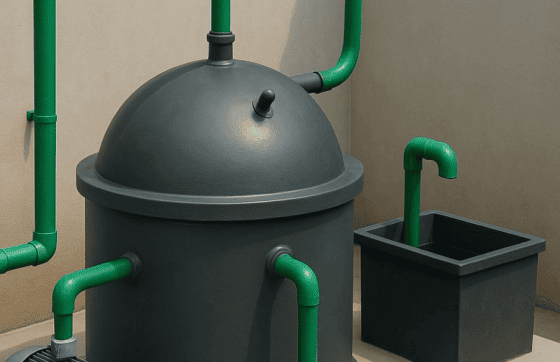
Biogas Systems

Waste from the school is converted into biogas through a clean, closed-loop system. This provides safe cooking energy and powers the backup generator – reducing pollution, improving sanitation, and teaching children about renewable energy in action.

 
7

Full Annual Scholarships

Each Green Academy provides 250+ underserved children with free, high-quality education. Scholarships cover tuition and also books, meals, healthcare, psychosocial support, and skills development, ensuring every child has the tools to thrive.

6

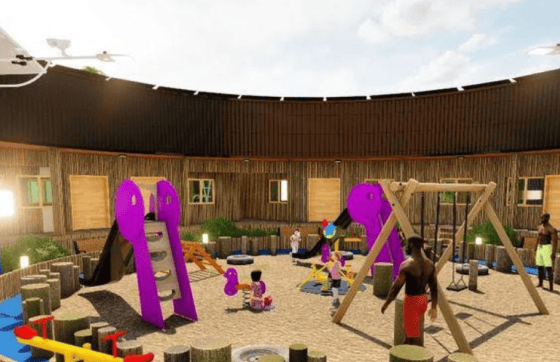
Open-Air Design

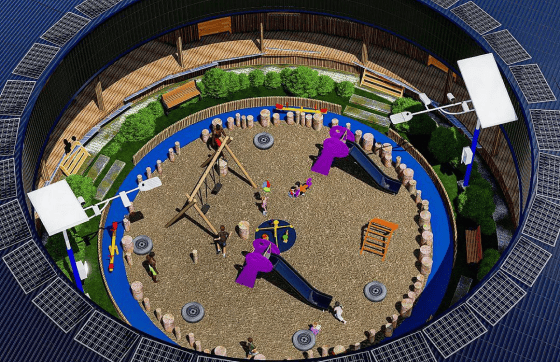
Classrooms are designed with circular, open-air structures that maximize natural airflow and light. This reduces heat, lowers energy use, and creates healthier learning environments, without the need for costly air conditioning.

 
5

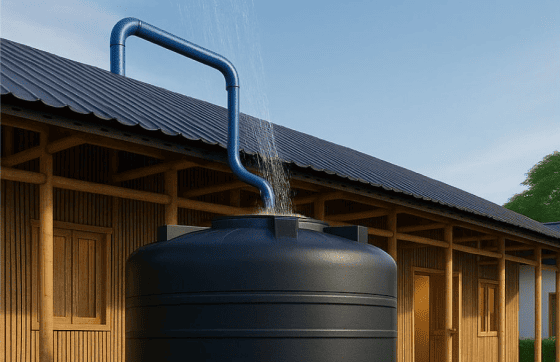
Rainwater Systems

Green Academies are built with rooftop rainwater collection systems. Rainwater is stored, filtered, and treated to provide safe drinking water for students, teachers, and the wider community-improving health and reducing time spent fetching water.

4

Gardens & Biodiversity

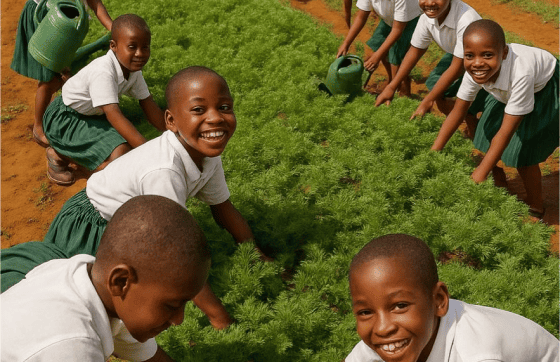
Outdoor gardens and biodiversity spaces make learning hands-on and holistic. Children grow food, study ecosystems, and learn sustainable
agriculture. These green spaces also support nutrition programs, providing fresh produce for students.

3

Satellite Internet

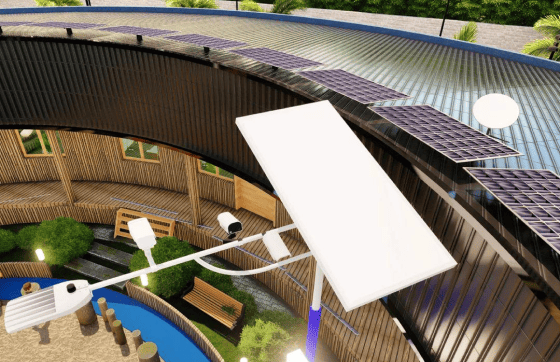
For many communities, Green Academies provide their very first internet connection. Through satellite technology, children gain access to digital learning, global knowledge, and virtual mentorship. It also connects teachers and families to new opportunities and resources.

 
2

Solar Power

Every Green Academy runs fully on clean solar energy. This ensures classrooms, labs, and digital tools stay powered without reliance on
unstable grids or generators. With solar, learning continues seamlessly, even at night or during power cuts.

1

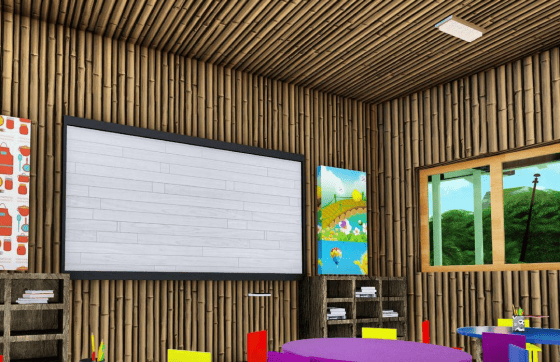
Built with sustainably sourced bamboo, reclaimed wood, and locally sourced materials- reducing carbon emissions while providing durable, safe spaces for learning. These materials are low-cost, renewable, and naturally cooling, perfect for Africa’s climate.