Slum2School and HP Conclude 5-Week Tech Training for Learners
Slum2School and HP Conclude 5-Week Tech Training for Learners with a Celebratory Closing Ceremony
Every significant achievement begins with a single step, and over the past five weeks, about 105 learners at Slum2School Africa have taken many such steps, diving into the world of technology with the HP’s STEM program in partnership with Slum2School Africa. Over the past three years, HP has partnered with Slum2School Africa to provide young people across underserved communities with access to technological opportunities. From mobile app development to Python programming, data science, and robotics, these young learners eagerly explore the digital frontier with curiosity and excitement.
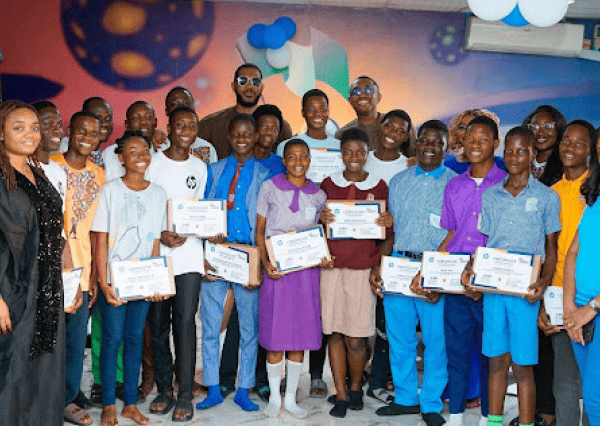
On Friday, September 20, 2024, the 2024 HP STEM program concluded with a celebratory closing ceremony that marked not just the end of the training for the year but the beginning of something extraordinary for these budding tech enthusiasts. Pride, joy, and the realization that these learners now possess the skills to make a significant impact in the tech world filled the event.
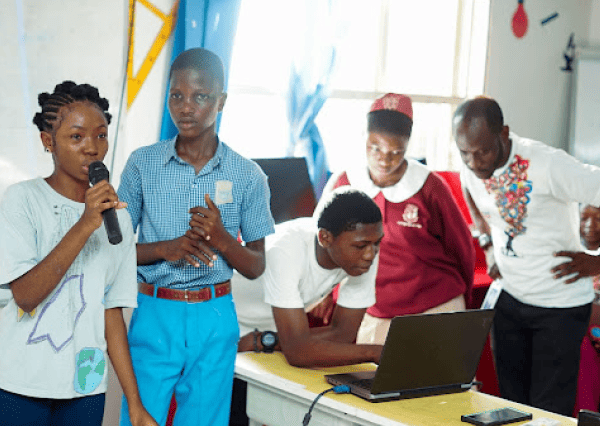
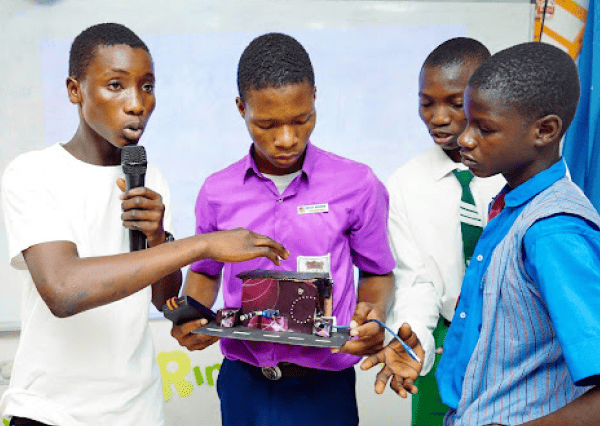
Throughout the program, participants immersed themselves in various tech fields, gaining practical experience in areas such as mobile application development, web development, and coding with Python. A hackathon served as one of the highlights, offering learners the opportunity to apply their new skills in real-world scenarios by building projects from scratch.
One of the participants, Inioluwa, shared her experience: “I had never coded before this training, and now I can build a simple app and write Python scripts. The hackathon presented challenges, but it encouraged me to think creatively and gain a deeper understanding of how to transform ideas into reality.
Another participant, Ayorinde, expressed his excitement: “I loved every bit of the training. We learned about every aspect of technology, which allowed me to gain knowledge. I never thought I would be able to build something from start to finish but this training has made me realize that anything is possible if you put your mind to it.”
Their enthusiasm and newfound confidence are a testament to the power of learning and the incredible potential within each participant.
The program’s success would not have been possible without HP’s invaluable support. Emmanuel Asika, Country Manager for HP, attended the closing ceremony and remarked, “It was inspiring to witness how today’s youth are seizing opportunities many of us didn’t have growing up. Collaborations like this are vital, and at HP, our commitment to digital equity is just beginning. These young innovators learning web development, robotics, and data analytics will be the future leaders of our digital transformation.”
Orondaam Otto, Executive Director as Slum2School Africa, who spoke at the closing ceremony, admonished the participants, saying, “The future is digital, and today you’ve made significant strides toward that future. Remember, this is just the beginning—continue to push boundaries and apply what you’ve learned.” He expressed gratitude to HP for investing in the potential of underserved youth, emphasizing that partnerships like this equip young minds with tools to shape the future. “Your support has been instrumental in bridging the digital divide and creating opportunities for innovation.”
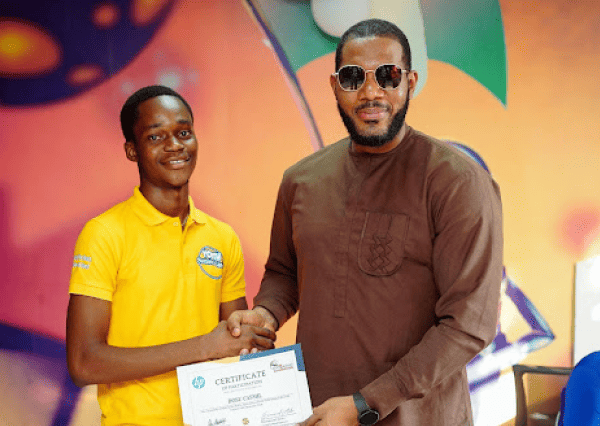
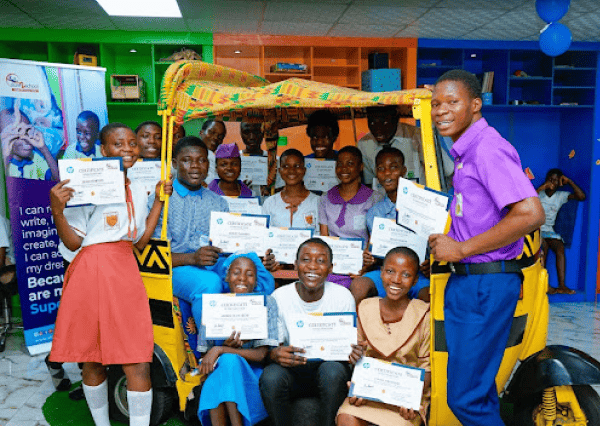
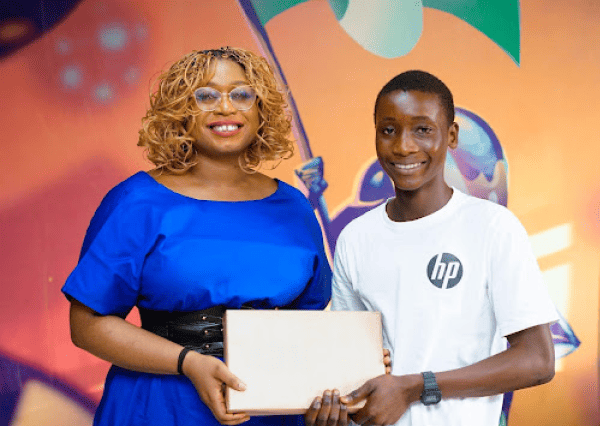
One of the ceremony’s most memorable moments was the presentation of awards in the form of digital tablets to the top 20 participants and certificates to all the learners who excelled throughout the program. Those who demonstrated outstanding creativity, determination, and skill were also celebrated for their remarkable achievements. This recognition serves as both a reward and a symbol of the bright futures ahead for these young tech enthusiasts.
With valuable skills in hand and a newfound sense of confidence, these learners are now prepared to explore further into the world of technology. Whether building more apps, delving deeper into data science, or exploring new frontiers in robotics, their potential is undeniable.
As HP and Slum2School Africa continue their commitment to empowering the next generation of tech leaders, they aim to create more opportunities for young people across underserved communities like Iwaya, Makoko, Adekunle and others. This training has demonstrated the potential of combining passion with opportunity and fostering a partnership for positive change.
As the event drew to a close, it was clear that the partnership between HP and Slum2School Africa has not only provided the participants with essential tech skills but also ignited a passion for innovation among the youth. With the future at their fingertips, these young minds are now prepared to transform their communities and beyond. The journey of learning continues, and as these learners venture into the digital world, they carry with them the power to create lasting impact. This is just the beginning of a much greater journey.