UNICEF Children's Day: Reimagine a Better Future For Every Nigerian Child
Reimagine a better future for every Nigerian child

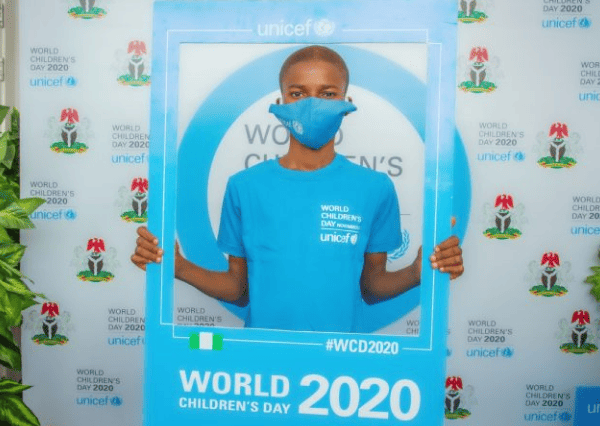
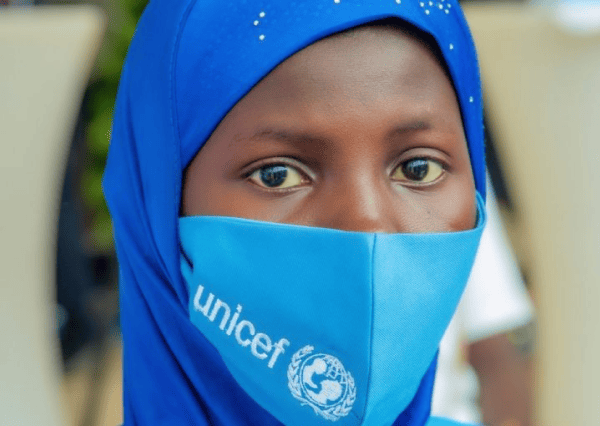
Last month our amazing kids, 16-year-old Habeebat Olatunde, and 15-year-old Abdulmalik Oseni were invited to speak at the United Nations Children’s Fund (UNICEF) World Children’s Day 2020 event with the theme “Reimagine a better future for every Nigerian child.”

Habeebat and Abdulmalik took the stage to share their personal stories about living in a rural area in Nigeria and the aspects of change they wish to see in Makoko. Children from around the world took part in the challenge where they reimagined a future with no discrimination, a sustainable and greener future, a future with no discrimination, and a safer future for children everywhere.


The Importance of World Children’s Day

To mark off the day, the President of the European Parliament David Sassoli, and UNICEF Executive Director Henrietta Fore called for urgent investment to protect children’s futures.

As the world responds to the COVID-19 pandemic, “the rights of every child everywhere, need to come first in any recovery plan”, they stated.

The senior officials were joined by several young people from around the world, drawing attention to the challenges facing today’s youth.

“We see our generation facing challenges as never before in our lifetimes, millions of children are missing out on basic health care, are being cut off from education, and are facing poverty and violence everyday”, the youngsters said.

“The COVID-19 pandemic took away ‘normal’, but for us, ‘normal’ was never good enough anyway.”


A Brief Excerpt from their Talk

Habeebat Olatunde, 16

“As a young Nigerian girl, I want to see a Nigeria where I’m not judged based on my gender, religion or tribe, I believe this change begins with you and I. In my community, Makoko, we struggle with a substandard educational system, insecurities and lack of sufficient health care facilities. Girls in my community are exposed to rape, sexual abuse, and teenage pregnancy. Women in my community die while giving birth due to inadequate power supply.”


Abdulmalik Oseni, 15

“My vision for this great Nation is to make our country a better place to live, a home where equal opportunities are rife, where anyone can become great irrespective of who they are in society, most importantly a Nigeria of my dream where freedom of speech is not denied. A Nigeria where every child has access to quality education. A Nigeria of my dreams where there is a voice for the voiceless.”
YOU CAN MAKE A DIFFERENCE IN THE LIVES OF CHILDREN IN NEED

Help support the education of children across Africa.

Pledge a Birthday

Pledge a Birthday

References

  1. Global Education Monitoring Report Team (2016). Education for people and planet: creating sustainable futures for all.
  2. Comms, D. (2021). The ripple effects of investing in girls’ education. Plan International Australia.
  3. Comms, D. (2021). The ripple effects of investing in girls’ education. Plan International Australia.
  4. Comms, D. (2021). The ripple effects of investing in girls’ education. Plan International Australia.
  5. Global Education Monitoring Report (2023). 244M children won’t start the new school year.
  6. World Bank. (2019). Ending learning poverty: What will it take?
  7. Fatunmole, M. (2023). Key data on early childhood education in Nigeria. The ICIR- Latest News, Politics, Governance, Elections, Investigation, Factcheck, Covid-19
  8. Enoch, A. (2024) Quality education delivers growth – but Africa’s scorecard remains poor. ISS Africa.
  9. UNESCO. (2022). 244 M children won’t start the new school year. Paris: UNESCO.
  10. Fatunmole, M. (2023). Key data on early childhood education in Nigeria. The ICIR- Latest News, Politics, Governance, Elections, Investigation, Factcheck, Covid-19.
  11. World Bank. (2019). Ending learning poverty: What will it take?. World Bank.
  12. Quality education delivers growth – but Africa’s scorecard remains poor | ISS Africa. (n.d.). ISS Africa.
  13. Heminway, J., & Heminway, J. (2023). Why Becoming Educated is Hard in Sub-Saharan Africa – Especially for Girls – The Water Project. The Water Project.
  14. UNICEF, (2021), Transforming Education in Africa.
  15. World Economic Forum. (2023), How Africa’s youth will drive global growth.

Every sponsorship supports:

  • Construction: Eco-friendly school facilities built with locally sourced, sustainable materials

  • Innovation: Solar power, rainwater collection, biogas, gardens, and internet access.

  • Learning & Support: Scholarships, teachers, health services, and psychosocial care.

  • Sustainability: Training, monitoring, and integration into public systems.

9

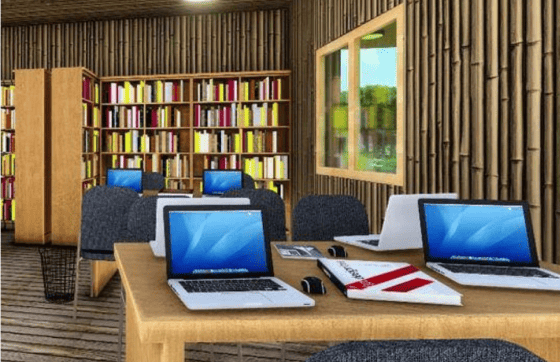
Library & Innovation Lab

Every Green Academy includes a library, STEM and Innovation lab, giving children access to books, technology, and digital resources. This opens doors to coding, research, and global learning experiences that prepare them for the future.

8

Biogas Systems

Waste from the school is converted into biogas through a clean, closed-loop system. This provides safe cooking energy and powers the backup generator – reducing pollution, improving sanitation, and teaching children about renewable energy in action.

 
7

Full Annual Scholarships

Each Green Academy provides 250+ underserved children with free, high-quality education. Scholarships cover tuition and also books, meals, healthcare, psychosocial support, and skills development, ensuring every child has the tools to thrive.

6

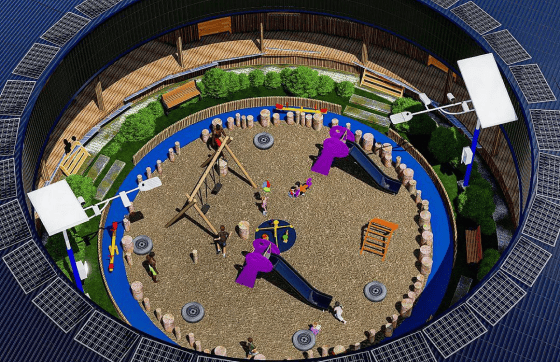
Open-Air Design

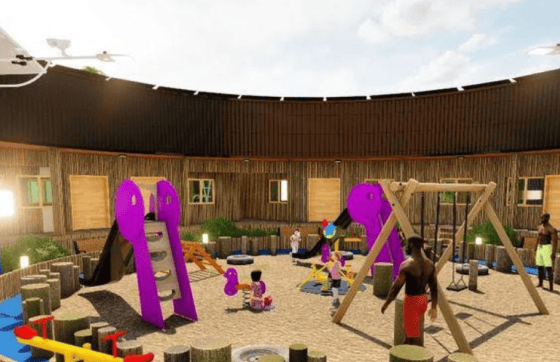
Classrooms are designed with circular, open-air structures that maximize natural airflow and light. This reduces heat, lowers energy use, and creates healthier learning environments, without the need for costly air conditioning.

 
5

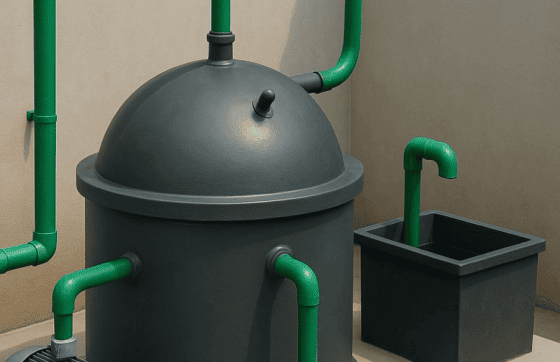
Rainwater Systems

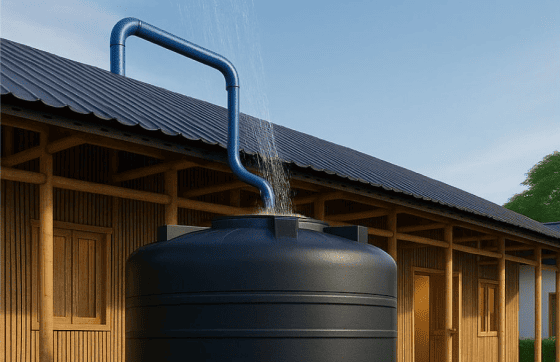
Green Academies are built with rooftop rainwater collection systems. Rainwater is stored, filtered, and treated to provide safe drinking water for students, teachers, and the wider community-improving health and reducing time spent fetching water.

4

Gardens & Biodiversity

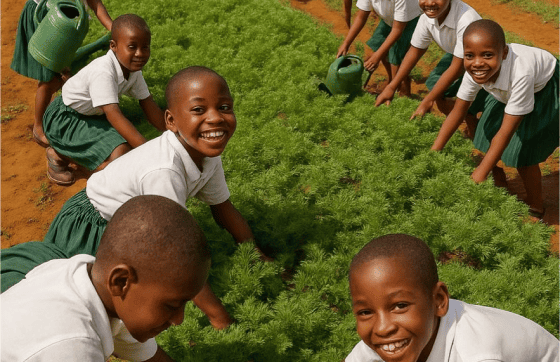
Outdoor gardens and biodiversity spaces make learning hands-on and holistic. Children grow food, study ecosystems, and learn sustainable
agriculture. These green spaces also support nutrition programs, providing fresh produce for students.

3

Satellite Internet

For many communities, Green Academies provide their very first internet connection. Through satellite technology, children gain access to digital learning, global knowledge, and virtual mentorship. It also connects teachers and families to new opportunities and resources.

 
2

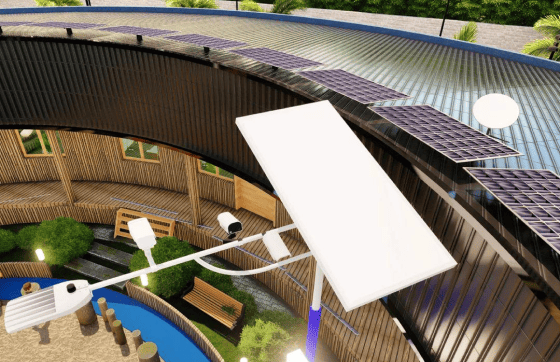
Solar Power

Every Green Academy runs fully on clean solar energy. This ensures classrooms, labs, and digital tools stay powered without reliance on
unstable grids or generators. With solar, learning continues seamlessly, even at night or during power cuts.

1

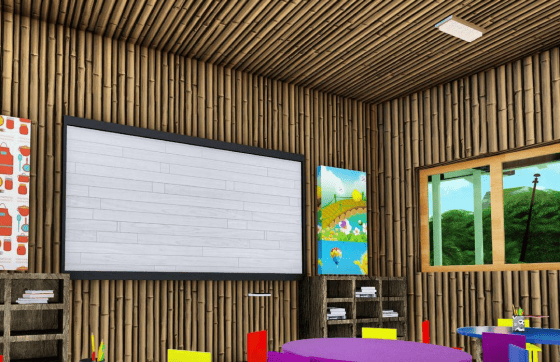
Built with sustainably sourced bamboo, reclaimed wood, and locally sourced materials- reducing carbon emissions while providing durable, safe spaces for learning. These materials are low-cost, renewable, and naturally cooling, perfect for Africa’s climate.