The Slum2School Green Academy
After Decades of Exclusion, the first School Finally Rises in Saga
For years, Saga was a place time forgot.
Tucked deep within the riverine belt of Epe, it was the kind of community people only passed through when they were lost. There were no classrooms, no clinics, no teachers, and no safe spaces for children to dream. A generation grew up without ever holding a textbook. Many of the parents today never saw the inside of a school. And for the children, learning was something that happened “somewhere else.”
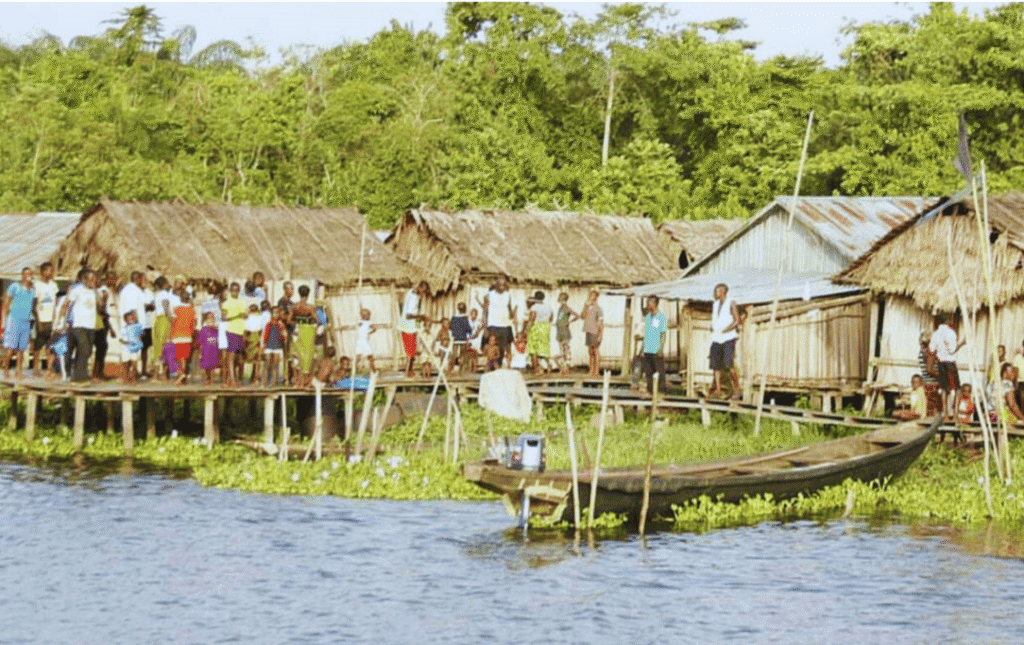
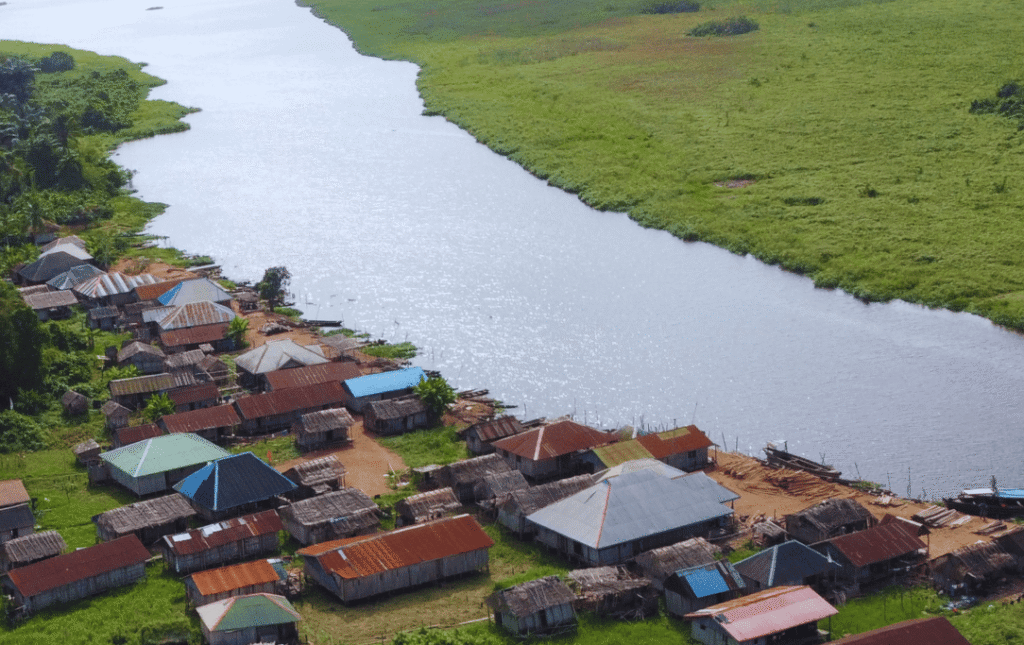
To the outside world, Saga was invisible.
But to the children who lived there, invisibility came with a cost: years slipped by without education, opportunities fading before they even appeared, and futures shaping themselves into the same cycles of poverty their parents had fought but could never escape.
Yet, in the middle of all that silence, something was shifting.
A Long-Awaited Answer
For over 12 years, Slum2School teams had walked through slums and riverine communities across Nigeria, supporting hundreds of thousands of children who had never seen the inside of a classroom. Saga was one of the communities that stayed with us – heavy on our minds, impossible to forget.
Every time we visited for health programs, nutrition drives, or community outreaches, the same question lingered in our hearts:
“When will Saga’s children have a school of their own?”
Not a temporary tent, or a makeshift board nailed to a wall – a real school.
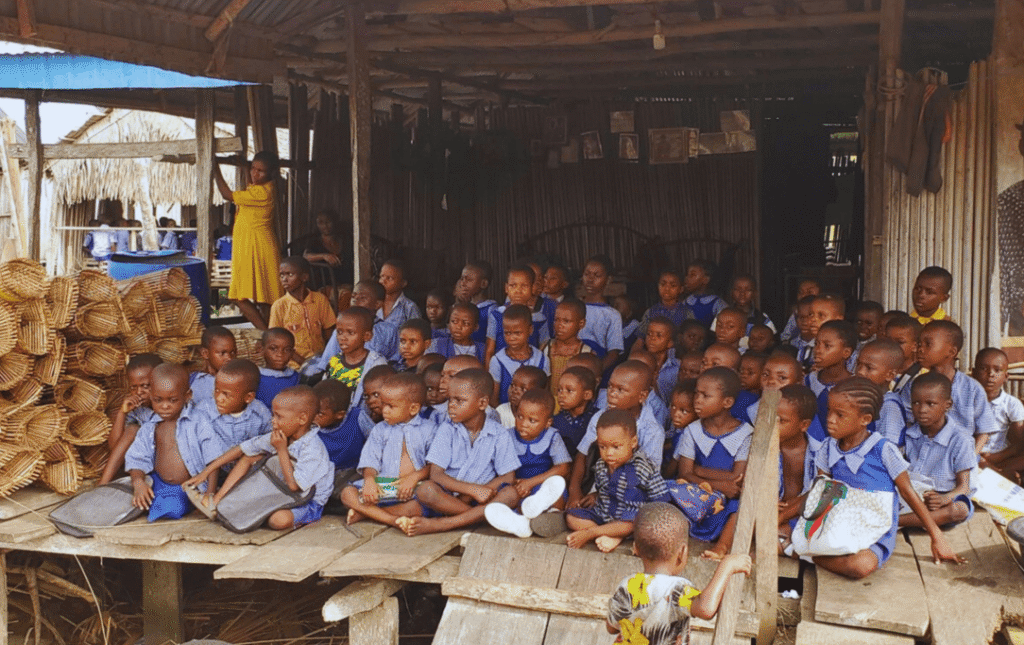
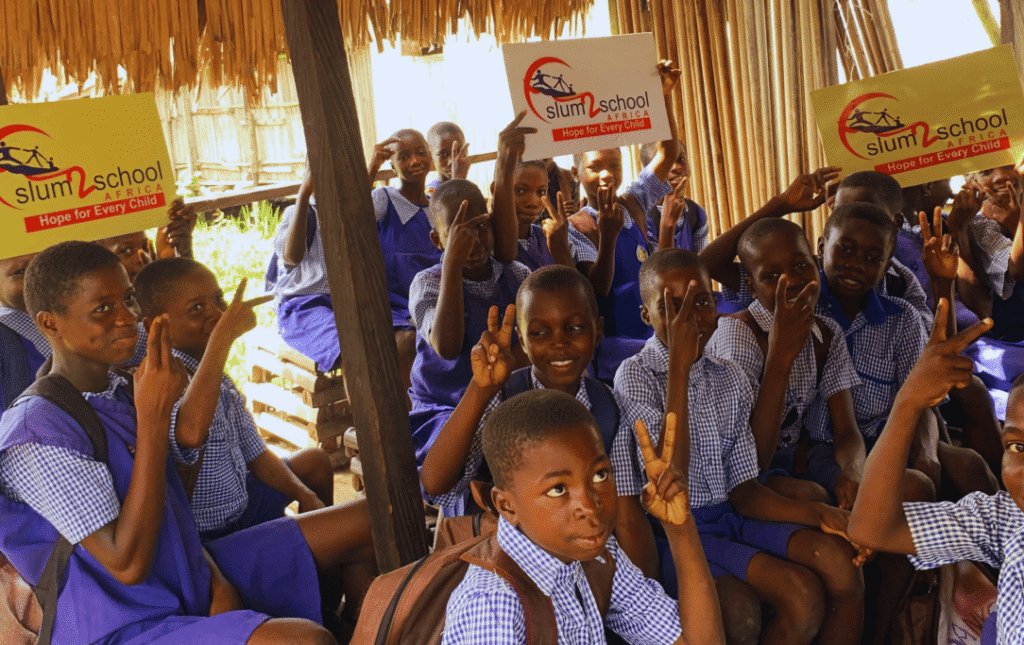
A place where their children would be safe.
A place where hope would not be a visitor but a resident.
The answer took years – not because the dream was unclear, but because building the right kind of school in a riverine community requires courage, patience, trust, and a community ready to take ownership.
But we made the children and community a promise, “One day, we would bring world class education here”
In 2023, something finally changed.
Together with partners, donors and volunteers, we raised funds to bring the dream into reality.
The elders of Saga community invited us to a meeting and made a commitment that stunned us: they were donating 3,000 square meters of community land, the largest gift they had ever given to any organization.
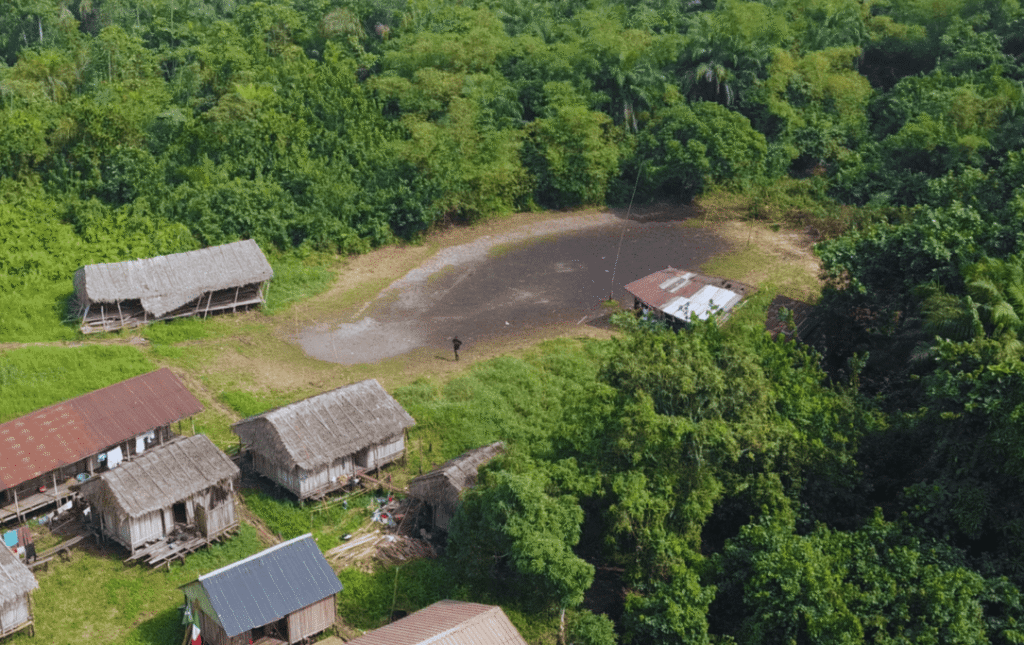
“This is for our children,” they said.
“Please help us change their future.”
That moment was a turning point.
The Dream Becomes a Blueprint
Building a school in a riverine community is nothing like building one on dry land.
Foundation alone could swallow a small fortune, and steel structures would not survive the damp, unstable terrain.
So we went back to the drawing board and asked a simple but radical question:
“What if we build a school that belongs to the environment, not fights against it?”
The answer was a model that would eventually become the first of its kind in Nigeria:
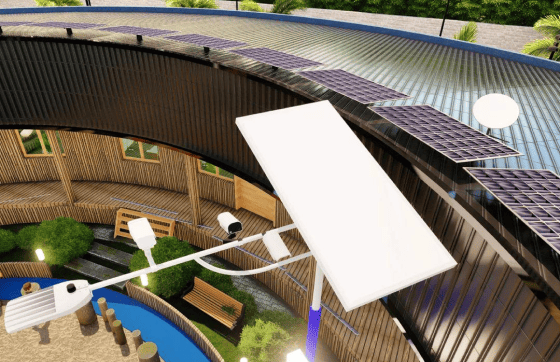
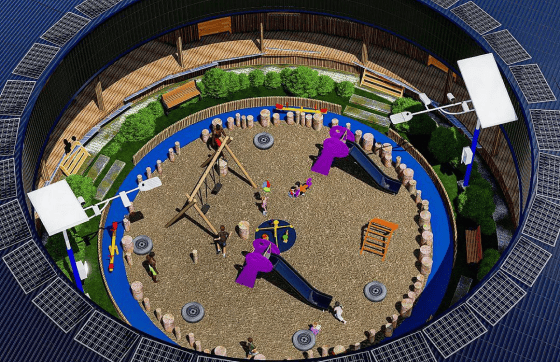
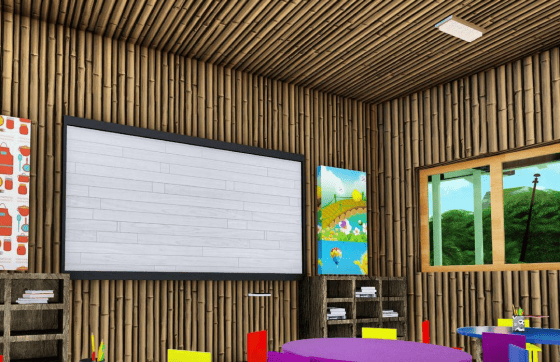
A bamboo-built, solar-powered, zero-waste learning sanctuary;
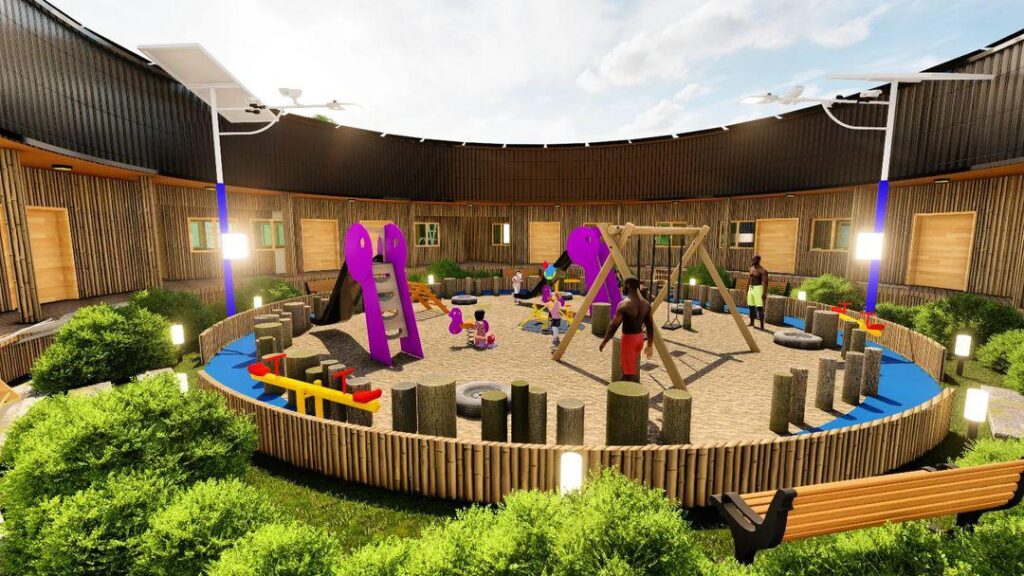
The Slum2School Green Academy.
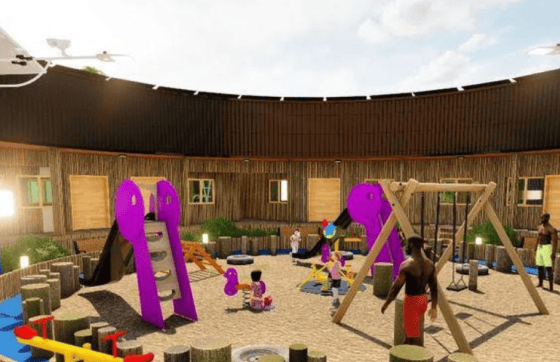
- 18 circular bamboo classrooms
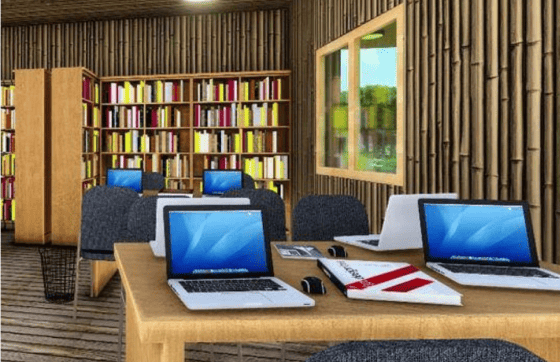
- A digital lab powered entirely by solar energy
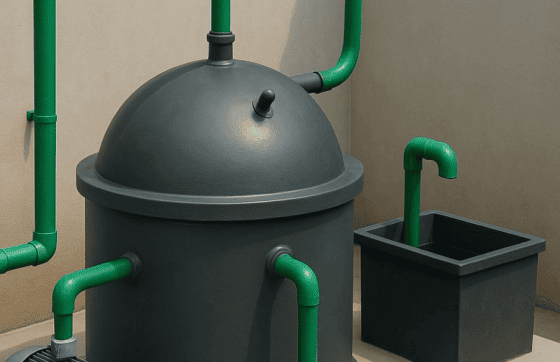
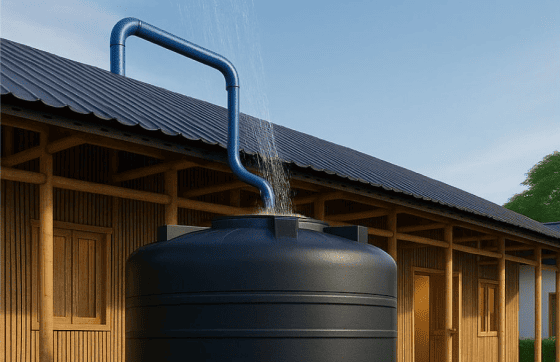
- Rainwater harvesting & purification (the community’s first source of safe drinking water)
- Biogas waste-to-energy systems
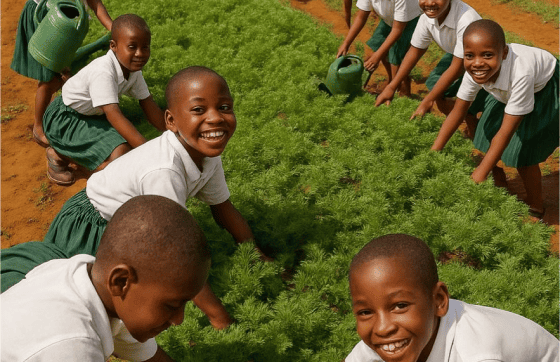
- A STEM hub, library, mindfulness room, and biodiversity garden
- Teacher apartments to ensure continuity and presence
- High-speed satellite internet
- Recreation zones, sports turf, creative studios, and learning pods
Everything – every single detail – was built with children’s dignity and their environment in mind.
But if the design was extraordinary, the process of building it was even more powerful.
A Community Builds Its Future
From the very first day, Saga’s mothers, fathers, and youth were not just observers, they were builders.
Men cut bamboo poles and hauled them across the water.
Mothers braided cultural patterns into the classroom walls.
Local artisans learned new skills from our engineers.
Children watched every beam go up, cheering as though each wood was a promise to them personally.
“What we are building is not just a school,” one father said.
“It is the first chance our children will have to live differently.”
Every nail, every beam, every woven pattern carried the fingerprints of the people who had long been denied access to education, now becoming authors of their children’s future.
Why This School Matters – Through the Eyes of a Child
One afternoon, during construction, a little boy named Bamidele ran up to one of our volunteers.
He was holding a stick and drawing on the sand.
“What are you drawing?” she asked.
“My classroom,” he said without looking up.
“When you finish this school, I will come here every day and learn how to be a pilot.”
It was the first time he had said those words out loud.
It was the first time he believed he could.
This is what education does, it gives a child the confidence to dream.
How Education Transforms Communities
For Saga and the surrounding riverine settlements, the Green Academy is more than a school, it is the beginning of an economic and social transformation that has been delayed for decades. For generations, families survived on fishing, petty trading, and manual labor, with little access to literacy, digital skills, or upward mobility. Without schools, children had no pathway beyond subsistence; young girls were married off early, and boys were forced into labor long before they could dream of any alternative future.
This is why the first walls of the Green Academy have already begun reshaping the community.
Parents who once kept their children beside them in boats or markets now talk about careers they had never imagined: nursing, engineering, teaching, entrepreneurship. Mothers who feared their daughters would never read a book are now joining community literacy groups, inspired by the same hope they are giving their children. Local artisans who were hired and trained during the construction phase now hold higher-paying skills that place them in demand far beyond Saga.
Businesses are emerging – food vendors serving the workers, boat operators transporting volunteers and visitors, and young people earning income through construction, security, or logistics. Land value in the community is rising because families see a future tied to learning, technology, and stability.
With solar energy, digital labs, clean water systems, and a new flow of ideas and opportunities, Saga is slowly shifting from an isolated riverine settlement into a small but vibrant ecosystem of innovation. The school is becoming what every great educational institution should be:
a center of knowledge, a catalyst for enterprise, and a bridge that lifts an entire community toward prosperity.
The Green Academy is proving, even before completion, that when you give a child education, you don’t just change their story, you change the destiny of a community
A Model for Africa
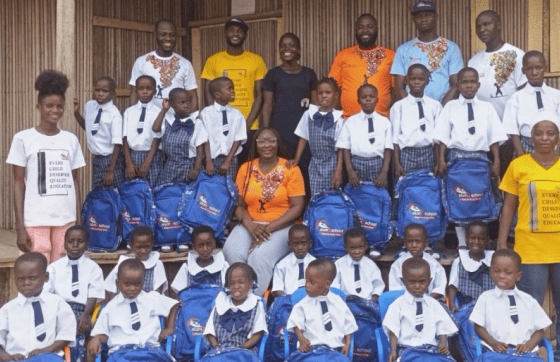
The Green Academy has now welcomed its first 250 learners, many who had either dropped out of school or never entered one at all.
For them, this school is not just a building.
It is the beginning of everything they once thought was impossible.
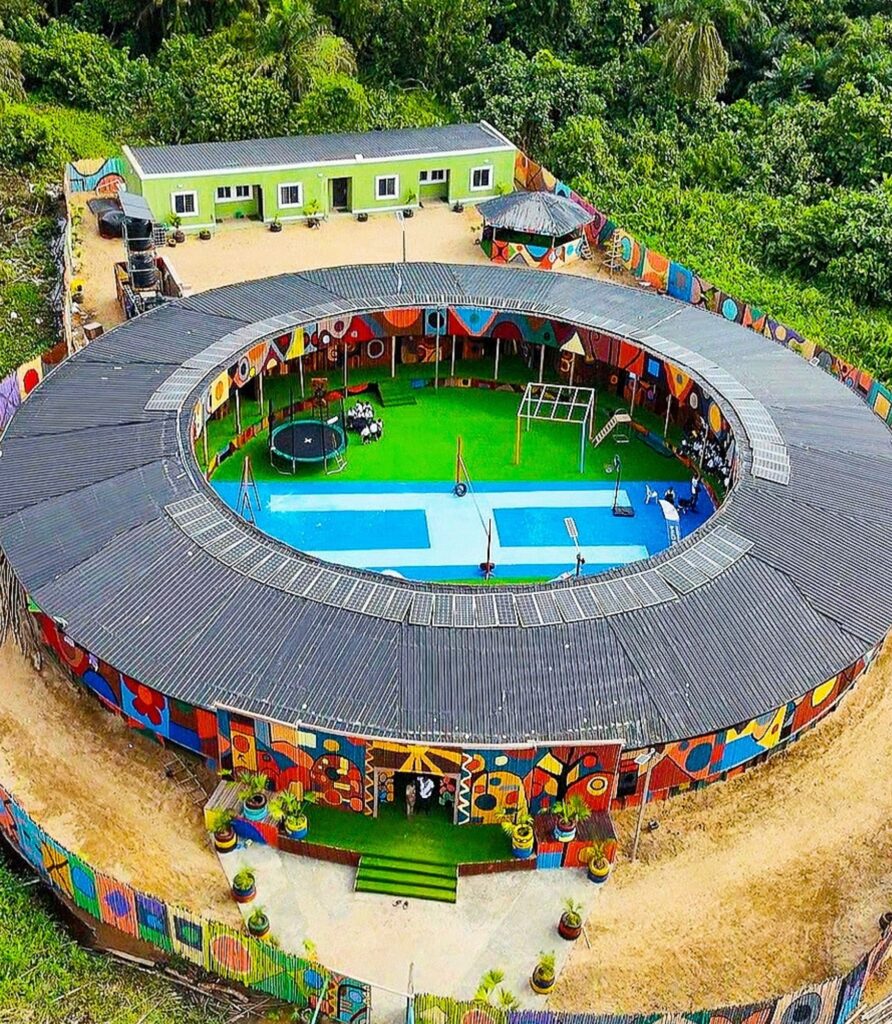
This model – eco-friendly, technology-driven, community-built, and designed for Africa’s most excluded children – is more than a school. It is a blueprint for what is possible when communities, volunteers, partners, and dreamers come together with one shared belief:
Every child deserves a chance.
Already, requests have come from other riverine communities asking for the same model. And for the first time, we can say with confidence:
It is possible. It can be replicated. And this is only the beginning.
The Future We Are Building
The Green Academy stands as proof that when communities unite, when volunteers give their hearts, and when partners choose courage over convenience, change becomes unstoppable.
And in Saga, change now has a permanent address.
A bamboo school with 18 rooms.
A solar farm on the roof.
Children’s laughter echoing across the water.
A new story being written every day.
A community transformed
After decades of exclusion, education has finally arrived.
And this time, it’s here to stay.