EMMANUELLA IDUOT
Volunteering with Slum2School shaped my journey to the global stage

How One Volunteer Journey Sparked Leadership, Purpose, and Global Impact

Six years ago, Emmanuella Iduot made a simple decision. She clicked “volunteer” on the Slum2School Africa website, hoping to make an impact, to lend her skills, to do something meaningful beyond her everyday routine. She never imagined that simple decision would radically reshape the trajectory of her life.

“I just wanted to help,” she recalls. “I had no special plan. I simply knew children deserved better.”

What she found was a community, one that saw her, challenged her, and trusted her with responsibilities far bigger than she had ever been given before.


Becoming a Leader by Serving Others

Her first assignment was with the Stanbic IBTC End Malaria Project. What was supposed to be a support role quickly evolved into leading and coordinating health interventions for over 1,000 families across underserved communities.

Those days were intense, navigating overcrowded clinics, coordinating volunteers, managing logistics, and helping families who had never been attended to by a trained health worker. But Emmanuella never backed down.
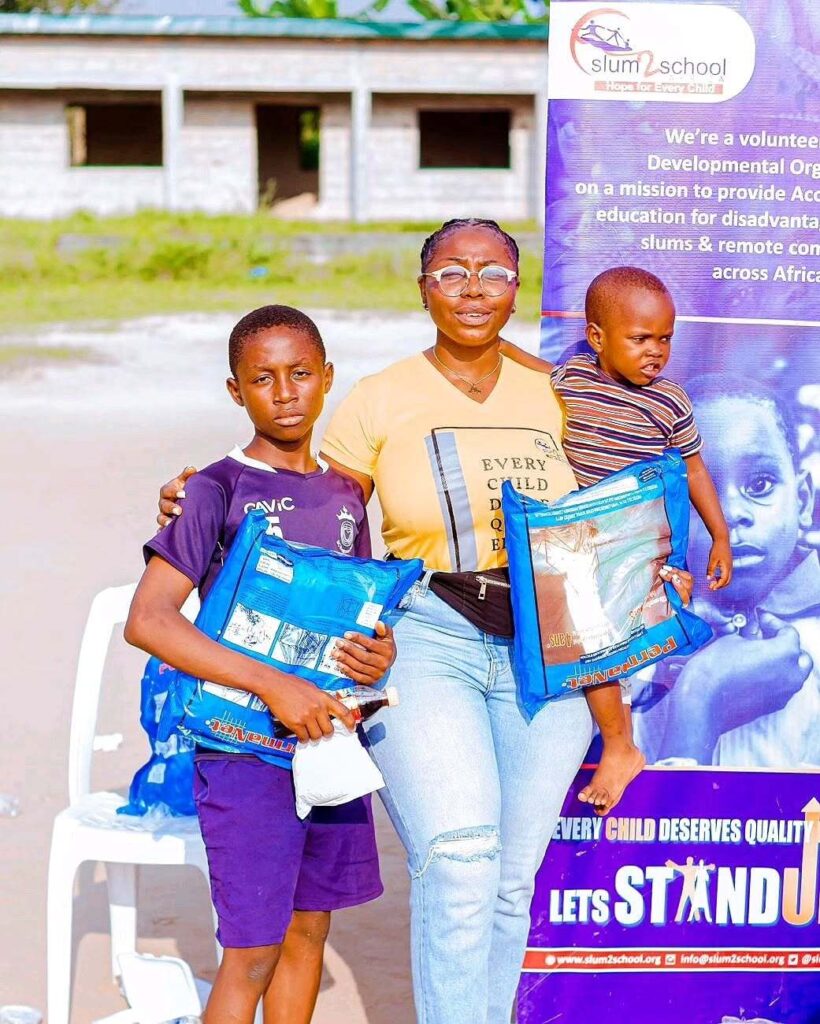
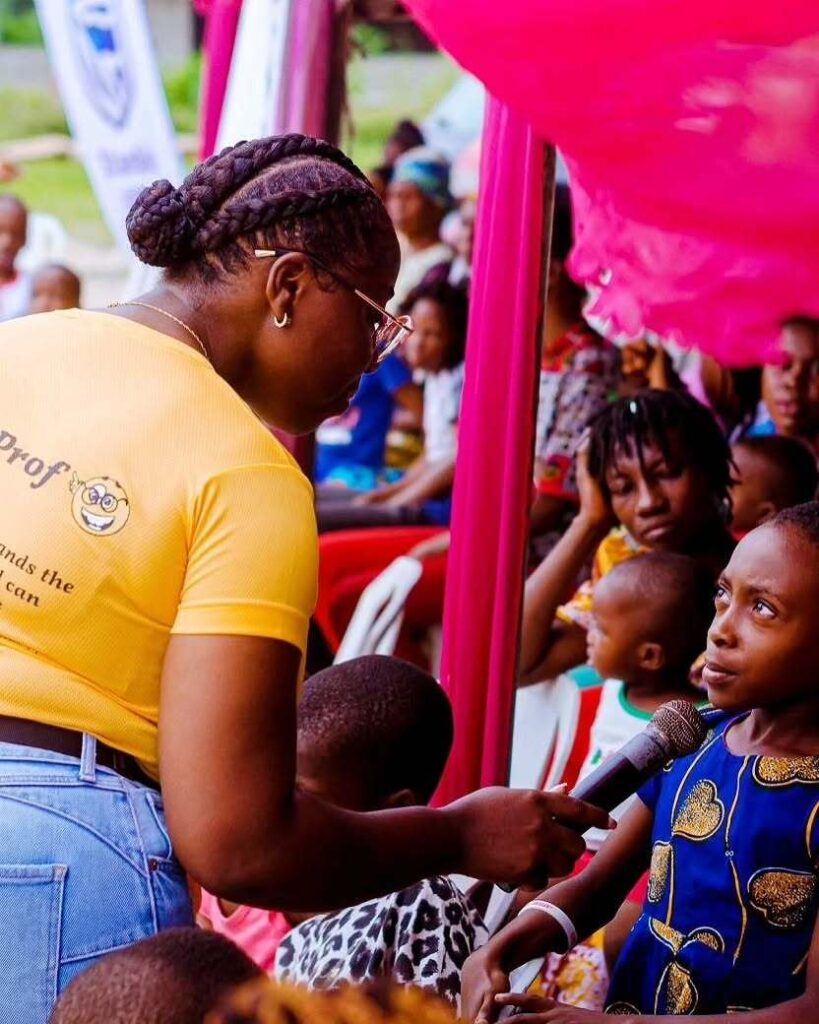
“That project taught me the weight of responsibility,” she says. “For many families, we weren’t just giving mosquito nets, we were giving them a fighting chance.”


From there, her journey accelerated.


She led and expanded the TotalEnergies VIA Creative Mobility Awareness Project, helping educate 4,000+ children on road safety, a program that would go on to reduce road accidents involving children in several communities.
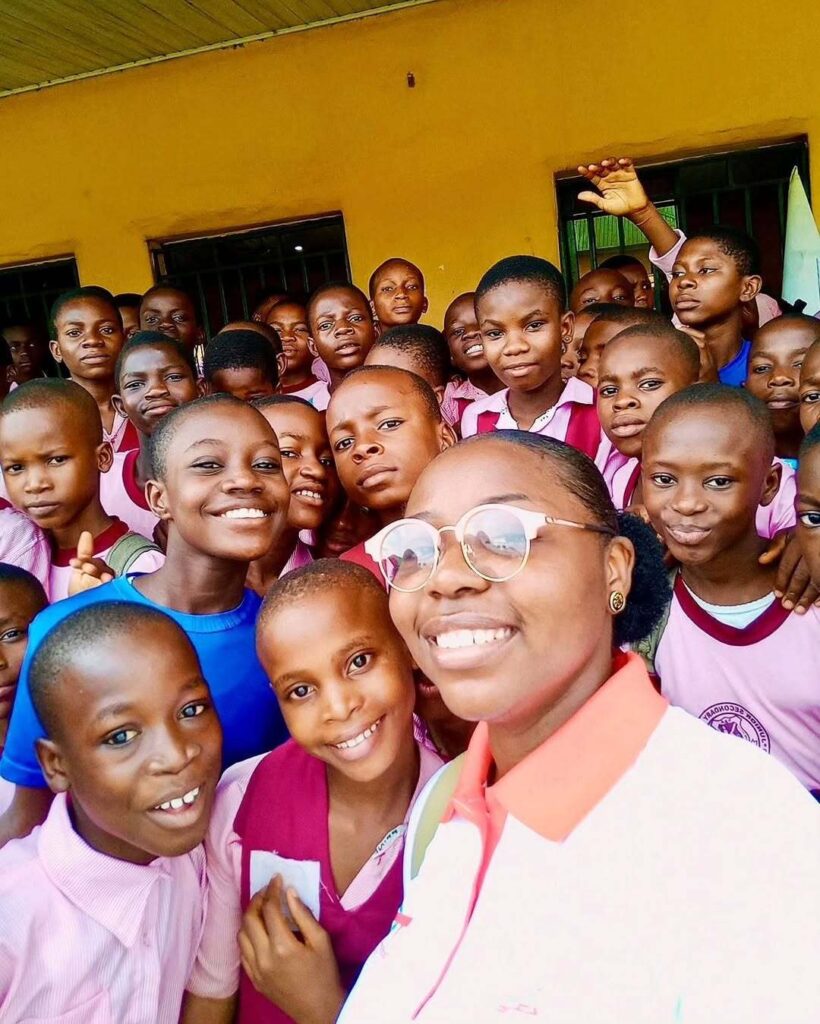
With every project, she grew her confidence, her clarity, her ability to build teams, manage complex partnerships, solve problems in difficult realities, and create systems that could scale.

 
From Local Impact to Global Stages

By 2023, something extraordinary happened.


Her leadership with Slum2School didn’t go unnoticed.


She was selected as a U.S. Department of State Community Engagement Exchange Fellow, joining a global cohort of emerging leaders from around the world.


In the United States, she collaborated with practitioners and policymakers working to protect children in conflict-prone regions – Nepal, Afghanistan, Pakistan, Nigeria.
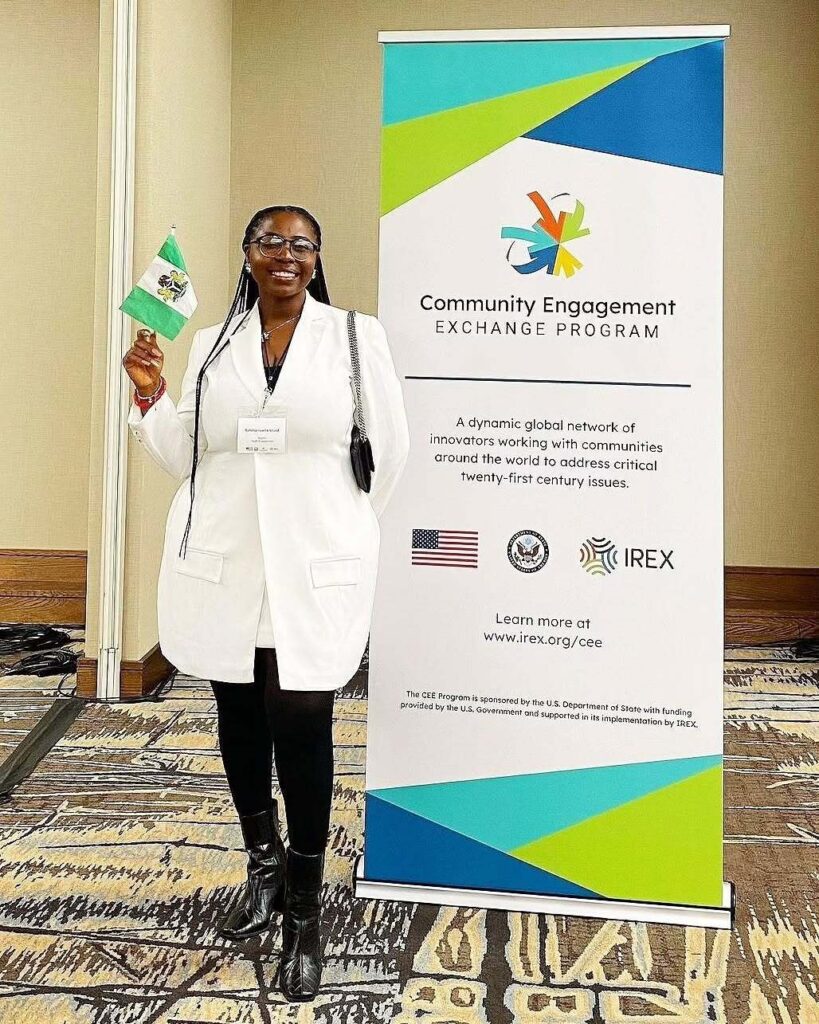
“It felt surreal,” she says. “I was sitting with global leaders, yet every solution I contributed was shaped by what I had learned while working in communities right here in Nigeria.”


Her fellowship was an achievement, but also a validation. It showed that the work happening in slums, riverine settlements, and forgotten communities was powerful enough to inform global strategies.


“Slum2School didn’t just give me skills,” she explains. “It gave me perspective – what community development really means, what resilience feels like, what leadership looks like when nobody is watching.”


Returning Home to Give More

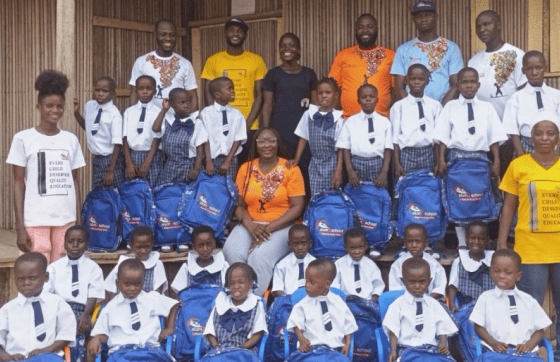
Now back in Nigeria, Emmanuella continues to volunteer and support major Slum2School programs – strengthening our systems, mentoring younger volunteers, and helping us reach even more children.


Her experience has become an example for thousands of young Nigerians who wonder if volunteering can truly change anything.
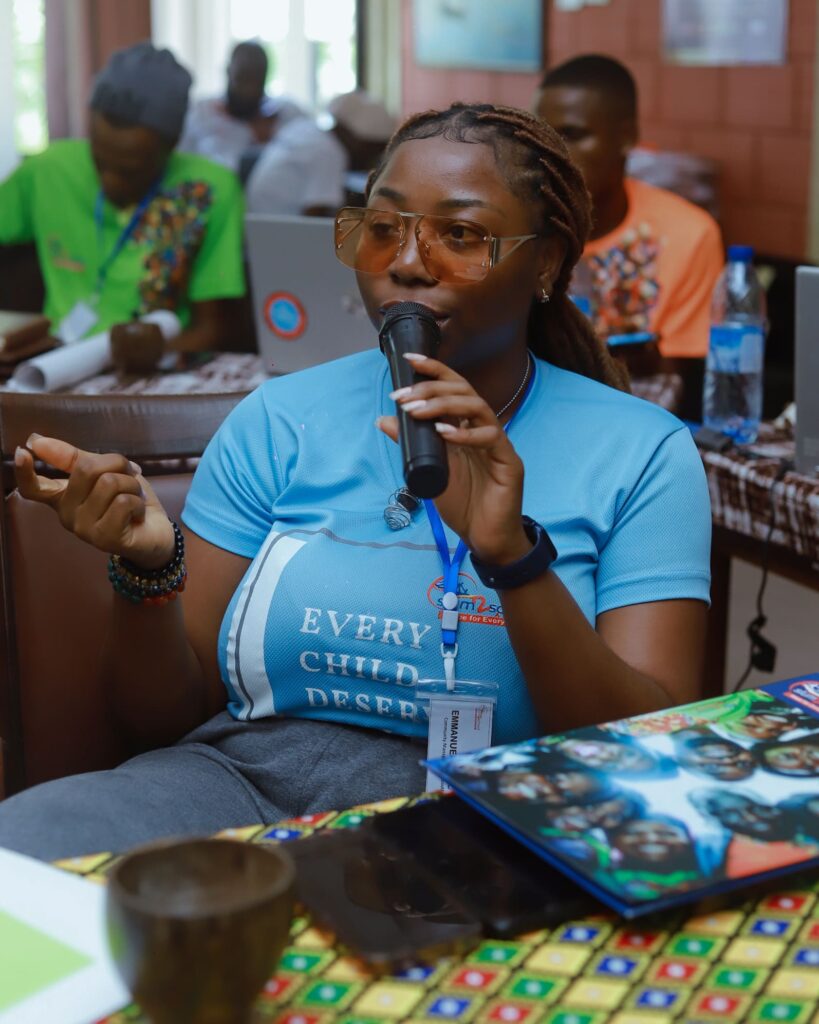
Her answer is always the same:


“Volunteering with Slum2School has been more than service, it has been a catalyst. For leadership. For growth. For purpose. For impact. It opened doors I didn’t even know existed.”


Her Message to Anyone Considering Volunteering

“If you are standing at the edge, unsure whether to take the step – take it. Say yes. Give your time, your skills, your passion. You will change lives, but you will also change yours in ways you cannot imagine.”
YOU CAN MAKE A DIFFERENCE IN THE LIVES OF CHILDREN IN NEED

Help support the education of children across Africa.

Pledge a Birthday

Pledge a Birthday

References

  1. Global Education Monitoring Report Team (2016). Education for people and planet: creating sustainable futures for all.
  2. Comms, D. (2021). The ripple effects of investing in girls’ education. Plan International Australia.
  3. Comms, D. (2021). The ripple effects of investing in girls’ education. Plan International Australia.
  4. Comms, D. (2021). The ripple effects of investing in girls’ education. Plan International Australia.
  5. Global Education Monitoring Report (2023). 244M children won’t start the new school year.
  6. World Bank. (2019). Ending learning poverty: What will it take?
  7. Fatunmole, M. (2023). Key data on early childhood education in Nigeria. The ICIR- Latest News, Politics, Governance, Elections, Investigation, Factcheck, Covid-19
  8. Enoch, A. (2024) Quality education delivers growth – but Africa’s scorecard remains poor. ISS Africa.
  9. UNESCO. (2022). 244 M children won’t start the new school year. Paris: UNESCO.
  10. Fatunmole, M. (2023). Key data on early childhood education in Nigeria. The ICIR- Latest News, Politics, Governance, Elections, Investigation, Factcheck, Covid-19.
  11. World Bank. (2019). Ending learning poverty: What will it take?. World Bank.
  12. Quality education delivers growth – but Africa’s scorecard remains poor | ISS Africa. (n.d.). ISS Africa.
  13. Heminway, J., & Heminway, J. (2023). Why Becoming Educated is Hard in Sub-Saharan Africa – Especially for Girls – The Water Project. The Water Project.
  14. UNICEF, (2021), Transforming Education in Africa.
  15. World Economic Forum. (2023), How Africa’s youth will drive global growth.

Every sponsorship supports:

  • Construction: Eco-friendly school facilities built with locally sourced, sustainable materials

  • Innovation: Solar power, rainwater collection, biogas, gardens, and internet access.

  • Learning & Support: Scholarships, teachers, health services, and psychosocial care.

  • Sustainability: Training, monitoring, and integration into public systems.

9

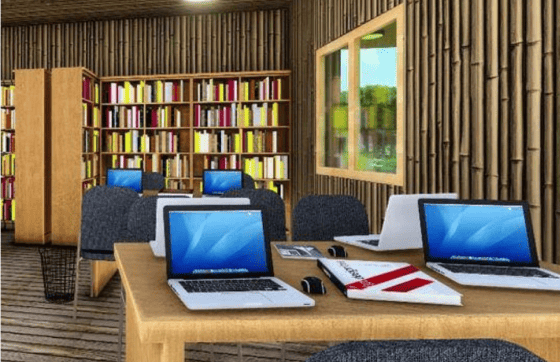
Library & Innovation Lab

Every Green Academy includes a library, STEM and Innovation lab, giving children access to books, technology, and digital resources. This opens doors to coding, research, and global learning experiences that prepare them for the future.

8

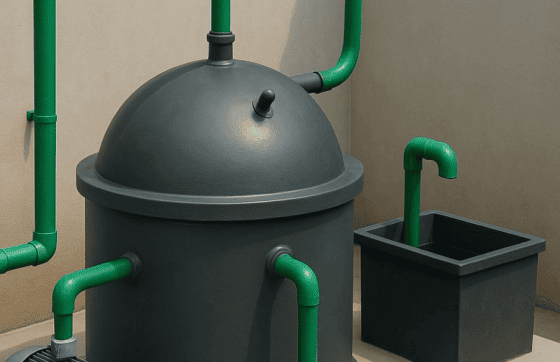
Biogas Systems

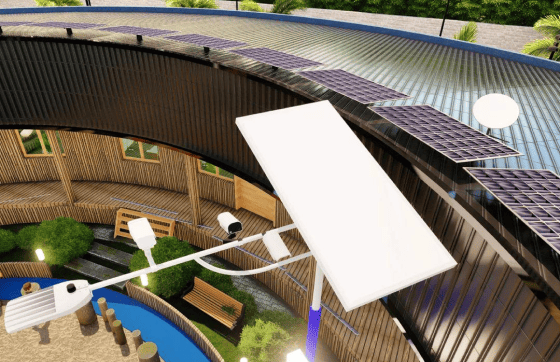
Waste from the school is converted into biogas through a clean, closed-loop system. This provides safe cooking energy and powers the backup generator – reducing pollution, improving sanitation, and teaching children about renewable energy in action.

 
7

Full Annual Scholarships

Each Green Academy provides 250+ underserved children with free, high-quality education. Scholarships cover tuition and also books, meals, healthcare, psychosocial support, and skills development, ensuring every child has the tools to thrive.

6

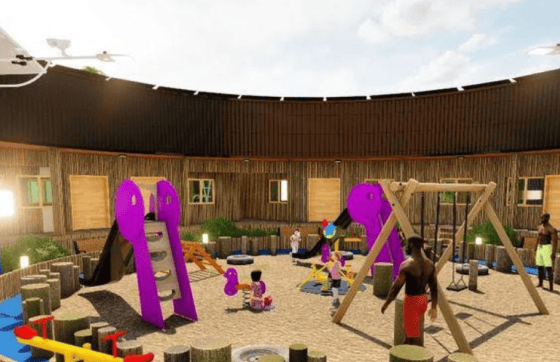
Open-Air Design

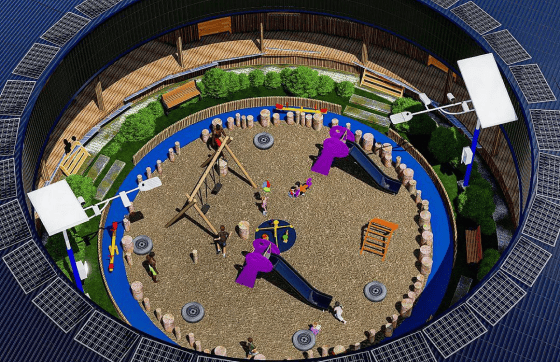
Classrooms are designed with circular, open-air structures that maximize natural airflow and light. This reduces heat, lowers energy use, and creates healthier learning environments, without the need for costly air conditioning.

 
5

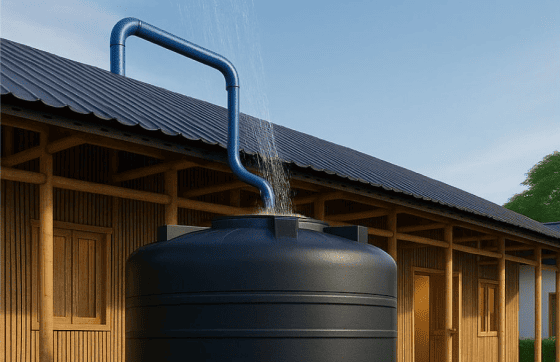
Rainwater Systems

Green Academies are built with rooftop rainwater collection systems. Rainwater is stored, filtered, and treated to provide safe drinking water for students, teachers, and the wider community-improving health and reducing time spent fetching water.

4

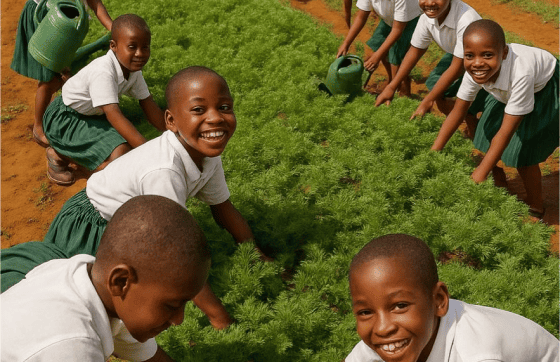
Gardens & Biodiversity

Outdoor gardens and biodiversity spaces make learning hands-on and holistic. Children grow food, study ecosystems, and learn sustainable
agriculture. These green spaces also support nutrition programs, providing fresh produce for students.

3

Satellite Internet

For many communities, Green Academies provide their very first internet connection. Through satellite technology, children gain access to digital learning, global knowledge, and virtual mentorship. It also connects teachers and families to new opportunities and resources.

 
2

Solar Power

Every Green Academy runs fully on clean solar energy. This ensures classrooms, labs, and digital tools stay powered without reliance on
unstable grids or generators. With solar, learning continues seamlessly, even at night or during power cuts.

1

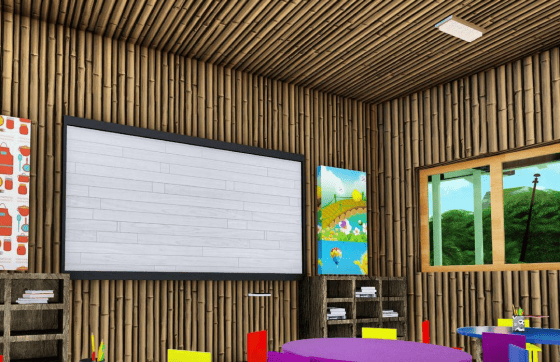
Built with sustainably sourced bamboo, reclaimed wood, and locally sourced materials- reducing carbon emissions while providing durable, safe spaces for learning. These materials are low-cost, renewable, and naturally cooling, perfect for Africa’s climate.