OUR FOCUS AREAS

Designed to transform education, access and equity across Africa

Access to Quality Education

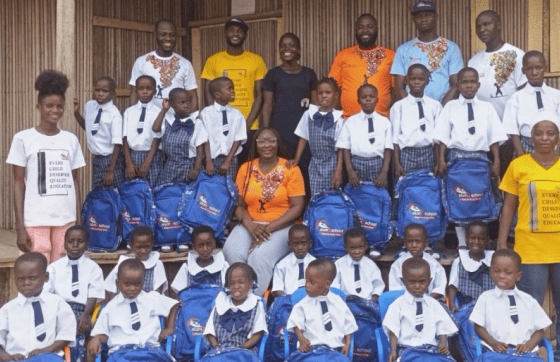
Slum2School Africa delivers foundational, primary and secondary learning to the most vulnerable children and youths. We open access to inclusive, community-based learning centers, built to global standards.

Early childhood and foundational learning

Early childhood and foundational learning- Slum2School develops and implements curriculum,
programs, and facilities targeted at providing quality early learning for children aged 0 to 11 years.

teachers development

Teacher Development

Supporting and developing teachers, and equipping them with the resources
they need to champion improved learning outcomes and positive learning environments for children.

Educational Scholarship

Addressing the education gap prevalent in poor and marginalized
communities by providing financial support for school fees, uniforms, books, and educational
resources for children.

Learning Infrastructure Development

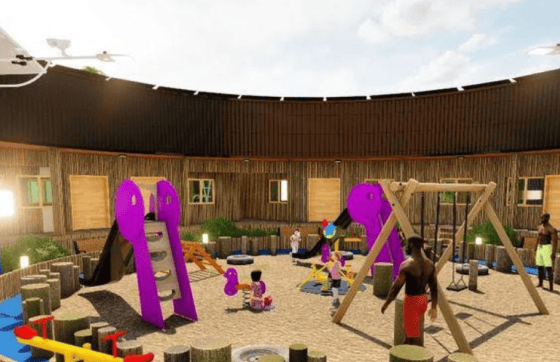
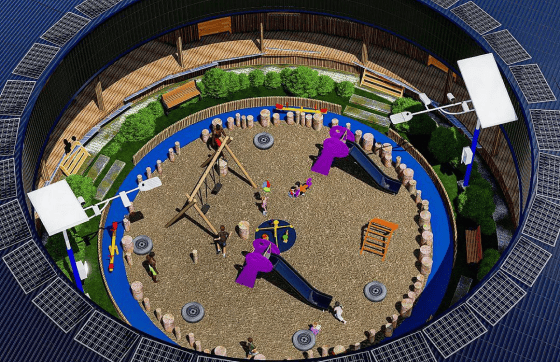
Building and refurbishing schools, Early Childhood Development Centres, STEM & Innovation Labs, Enterprise Development Centres, Learning Innovation Hubs, sports, recreation, and WASH facilities to create safe, supportive spaces for learning and well-being.

Learner Well-being & Protection

Integrated health, nutrition, identity, and psychosocial services – in both school and community -to ensure every child can thrive.

Health and psycho-social support

Healthy children are better able to go to school and also learn. With partners, Slum2School supports children’s health, physical and mental wellbeing,
providing access to support systems and providers- medical, psycho-social and nutrition support, sanitation and access to clean water for every child.

Child Safety, Identity & Protection

Slum2School works with caregivers, schools, and community systems to prevent, identify, and respond to risks such as abuse, neglect, exploitation, and harmful practices. Through safeguarding protocols, trained protection officers, community awareness programs, legal identity services and confidential reporting channels, we ensure that children are protected, heard, and supported — both in school and at home.

Youth Agency And Skills

Life skills, digital literacy, leadership development, and civic engagement to empower youth as changemakers across Africa.

Skills and Talent Development

Designed to discover and nurture children's unique potential through vocational and life skills programs, enabling them to secure future employment and support their families.

Digital and Cluster Learning

Developed to expand access to education through digital tools, virtual classrooms, ICT, STEM training, and hands-on workshops to prepare children for future careers.
Education Innovation and Scale

Tech-enabled, adaptive learning models embedded into national systems. Infrastructure innovations, policy integration, and scalable partnerships to amplify impact

Pledge a Birthday

Pledge a Birthday

References

  1. Global Education Monitoring Report Team (2016). Education for people and planet: creating sustainable futures for all.
  2. Comms, D. (2021). The ripple effects of investing in girls’ education. Plan International Australia.
  3. Comms, D. (2021). The ripple effects of investing in girls’ education. Plan International Australia.
  4. Comms, D. (2021). The ripple effects of investing in girls’ education. Plan International Australia.
  5. Global Education Monitoring Report (2023). 244M children won’t start the new school year.
  6. World Bank. (2019). Ending learning poverty: What will it take?
  7. Fatunmole, M. (2023). Key data on early childhood education in Nigeria. The ICIR- Latest News, Politics, Governance, Elections, Investigation, Factcheck, Covid-19
  8. Enoch, A. (2024) Quality education delivers growth – but Africa’s scorecard remains poor. ISS Africa.
  9. UNESCO. (2022). 244 M children won’t start the new school year. Paris: UNESCO.
  10. Fatunmole, M. (2023). Key data on early childhood education in Nigeria. The ICIR- Latest News, Politics, Governance, Elections, Investigation, Factcheck, Covid-19.
  11. World Bank. (2019). Ending learning poverty: What will it take?. World Bank.
  12. Quality education delivers growth – but Africa’s scorecard remains poor | ISS Africa. (n.d.). ISS Africa.
  13. Heminway, J., & Heminway, J. (2023). Why Becoming Educated is Hard in Sub-Saharan Africa – Especially for Girls – The Water Project. The Water Project.
  14. UNICEF, (2021), Transforming Education in Africa.
  15. World Economic Forum. (2023), How Africa’s youth will drive global growth.

Every sponsorship supports:

  • Construction: Eco-friendly school facilities built with locally sourced, sustainable materials

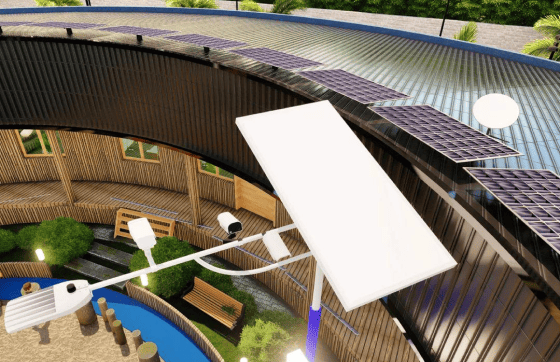
  • Innovation: Solar power, rainwater collection, biogas, gardens, and internet access.

  • Learning & Support: Scholarships, teachers, health services, and psychosocial care.

  • Sustainability: Training, monitoring, and integration into public systems.

9

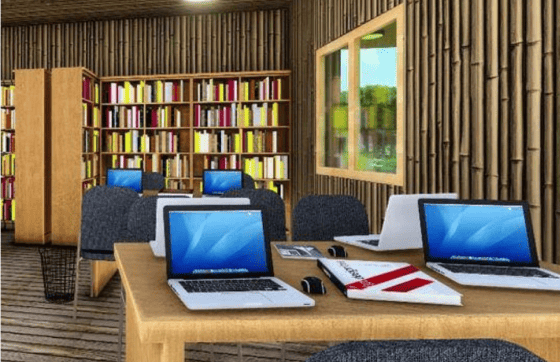
Library & Innovation Lab

Every Green Academy includes a library, STEM and Innovation lab, giving children access to books, technology, and digital resources. This opens doors to coding, research, and global learning experiences that prepare them for the future.

8

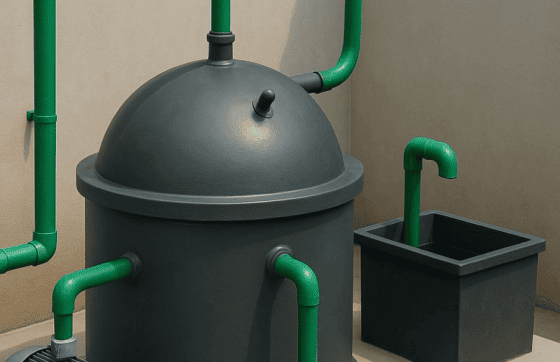
Biogas Systems

Waste from the school is converted into biogas through a clean, closed-loop system. This provides safe cooking energy and powers the backup generator – reducing pollution, improving sanitation, and teaching children about renewable energy in action.

 
7

Full Annual Scholarships

Each Green Academy provides 250+ underserved children with free, high-quality education. Scholarships cover tuition and also books, meals, healthcare, psychosocial support, and skills development, ensuring every child has the tools to thrive.

6

Open-Air Design

Classrooms are designed with circular, open-air structures that maximize natural airflow and light. This reduces heat, lowers energy use, and creates healthier learning environments, without the need for costly air conditioning.

 
5

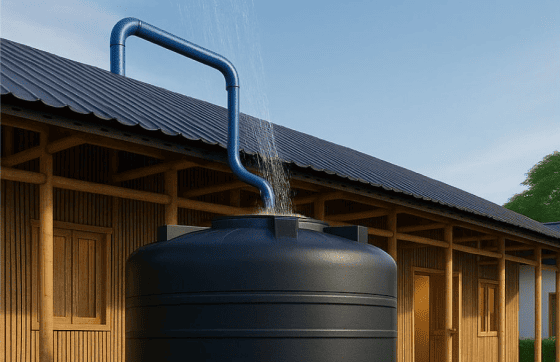
Rainwater Systems

Green Academies are built with rooftop rainwater collection systems. Rainwater is stored, filtered, and treated to provide safe drinking water for students, teachers, and the wider community-improving health and reducing time spent fetching water.

4

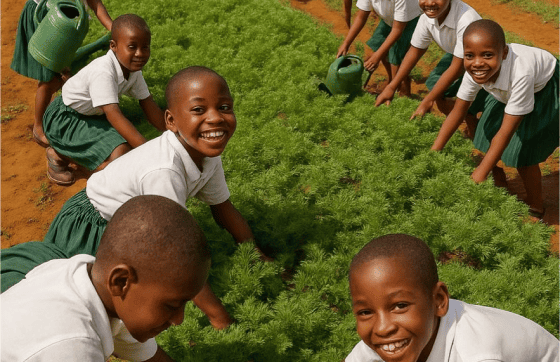
Gardens & Biodiversity

Outdoor gardens and biodiversity spaces make learning hands-on and holistic. Children grow food, study ecosystems, and learn sustainable
agriculture. These green spaces also support nutrition programs, providing fresh produce for students.

3

Satellite Internet

For many communities, Green Academies provide their very first internet connection. Through satellite technology, children gain access to digital learning, global knowledge, and virtual mentorship. It also connects teachers and families to new opportunities and resources.

 
2

Solar Power

Every Green Academy runs fully on clean solar energy. This ensures classrooms, labs, and digital tools stay powered without reliance on
unstable grids or generators. With solar, learning continues seamlessly, even at night or during power cuts.

1

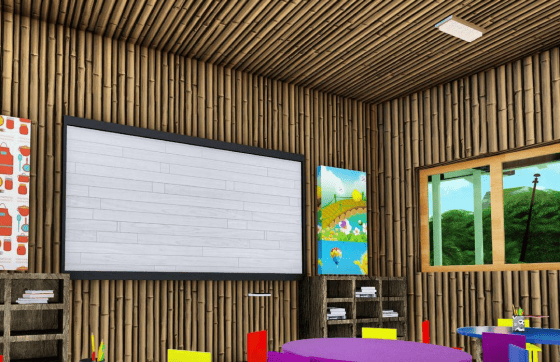
Built with sustainably sourced bamboo, reclaimed wood, and locally sourced materials- reducing carbon emissions while providing durable, safe spaces for learning. These materials are low-cost, renewable, and naturally cooling, perfect for Africa’s climate.