Head Teacher

Location: Saga, Epe, Lagos State

Slum2School is seeking a dedicated and dynamic Leader to join our team at an underserved community school.


This role is critical in providing Leadership to the team of teachers, providing quality education and fostering a supportive learning environment for children who face significant educational challenges.


As the Head Teacher at Slum2School’s school in an underserved community, you will play a pivotal role in shaping the educational experience and fostering a nurturing environment for both students and staff. Your leadership will drive the strategic vision of the school, ensuring that it delivers high-quality education and meets the diverse needs of its students. You will be responsible for overseeing all aspects of school operations, from curriculum development and instructional practices to student welfare and community engagement.


By collaborating with teachers, parents, and local organizations, you will work to create a supportive and effective learning environment that empowers students to reach their full potential. Your role will also involve managing resources, ensuring compliance with educational standards, and advocating for the needs of the school within the broader community.


Responsibilities:

  1. Leadership and Management:
    • Provide visionary leadership to staff and students, promoting an inclusive and supportive school culture.
    • Oversee the daily operations of the school, ensuring a safe and conducive learning environment.
    • Develop and implement strategic plans aimed at achieving the school’s educational goals and objectives.
    • Lead staff meetings and professional development sessions to encourage continuous improvement.
  2. Curriculum and Instruction:
    • Ensure the effective delivery of a broad, balanced, and relevant curriculum that meets the needs of all students.
    • Monitor and evaluate teaching and learning practices, providing guidance and support to teachers to enhance instructional methods.
    • Foster a culture of high expectations for both staff and students, encouraging academic excellence.
  3. Student Development and Welfare:
    • Promote the social, emotional, and academic development of students.
    • Implement effective behavior management strategies to create a positive learning environment.
    • Ensure the provision of support services for students, including counseling and extracurricular activities.
  4. Community Engagement:
    • Build strong relationships with parents, caregivers, and the local community to support student learning and well-being.
    • Collaborate with community organizations and stakeholders to enhance the educational opportunities for students.
    • Represent the school at community events and meetings, advocating for the needs and interests of the school and its students.
  5. Administration and Compliance:
    • Ensure compliance with all relevant educational policies, regulations, and standards.
    • Manage the school’s budget and resources effectively, ensuring the efficient use of funds.
    • Prepare and present reports on the school’s performance to the governing body and other stakeholders.

Qualifications:

  • Bachelor’s degree in Education or a related field (Master’s degree preferred).
  • Minimum of 5 years of teaching experience, with at least 2 years in a leadership role.
  • Strong organizational, communication, and interpersonal skills.
  • A commitment to inclusive education and a passion for working with children in underserved communities.

Pledge a Birthday

Pledge a Birthday

References

  1. Global Education Monitoring Report Team (2016). Education for people and planet: creating sustainable futures for all.
  2. Comms, D. (2021). The ripple effects of investing in girls’ education. Plan International Australia.
  3. Comms, D. (2021). The ripple effects of investing in girls’ education. Plan International Australia.
  4. Comms, D. (2021). The ripple effects of investing in girls’ education. Plan International Australia.
  5. Global Education Monitoring Report (2023). 244M children won’t start the new school year.
  6. World Bank. (2019). Ending learning poverty: What will it take?
  7. Fatunmole, M. (2023). Key data on early childhood education in Nigeria. The ICIR- Latest News, Politics, Governance, Elections, Investigation, Factcheck, Covid-19
  8. Enoch, A. (2024) Quality education delivers growth – but Africa’s scorecard remains poor. ISS Africa.
  9. UNESCO. (2022). 244 M children won’t start the new school year. Paris: UNESCO.
  10. Fatunmole, M. (2023). Key data on early childhood education in Nigeria. The ICIR- Latest News, Politics, Governance, Elections, Investigation, Factcheck, Covid-19.
  11. World Bank. (2019). Ending learning poverty: What will it take?. World Bank.
  12. Quality education delivers growth – but Africa’s scorecard remains poor | ISS Africa. (n.d.). ISS Africa.
  13. Heminway, J., & Heminway, J. (2023). Why Becoming Educated is Hard in Sub-Saharan Africa – Especially for Girls – The Water Project. The Water Project.
  14. UNICEF, (2021), Transforming Education in Africa.
  15. World Economic Forum. (2023), How Africa’s youth will drive global growth.

Every sponsorship supports:

  • Construction: Eco-friendly school facilities built with locally sourced, sustainable materials

  • Innovation: Solar power, rainwater collection, biogas, gardens, and internet access.

  • Learning & Support: Scholarships, teachers, health services, and psychosocial care.

  • Sustainability: Training, monitoring, and integration into public systems.

9

Library & Innovation Lab

Every Green Academy includes a library, STEM and Innovation lab, giving children access to books, technology, and digital resources. This opens doors to coding, research, and global learning experiences that prepare them for the future.

8

Biogas Systems

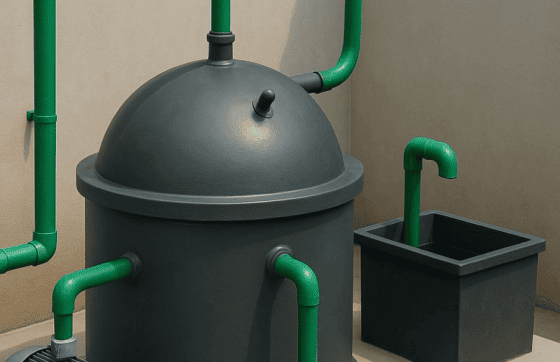
Waste from the school is converted into biogas through a clean, closed-loop system. This provides safe cooking energy and powers the backup generator – reducing pollution, improving sanitation, and teaching children about renewable energy in action.

 
7

Full Annual Scholarships

Each Green Academy provides 250+ underserved children with free, high-quality education. Scholarships cover tuition and also books, meals, healthcare, psychosocial support, and skills development, ensuring every child has the tools to thrive.

6

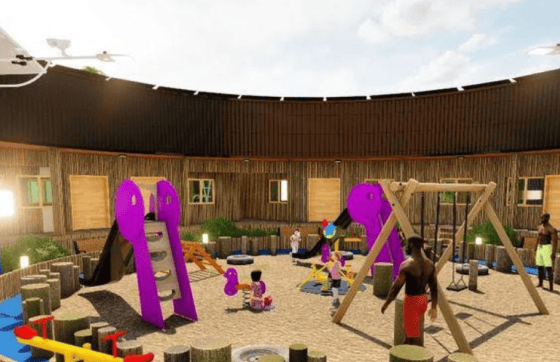
Open-Air Design

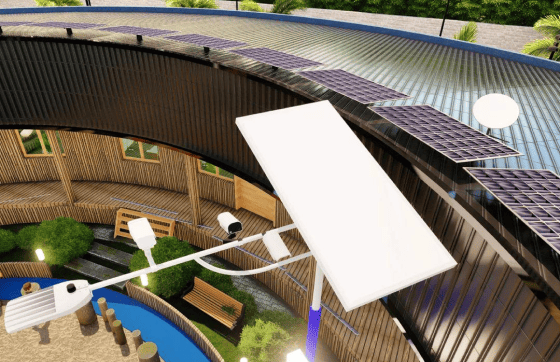
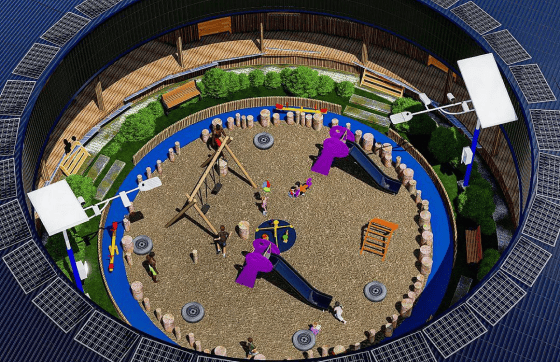
Classrooms are designed with circular, open-air structures that maximize natural airflow and light. This reduces heat, lowers energy use, and creates healthier learning environments, without the need for costly air conditioning.

 
5

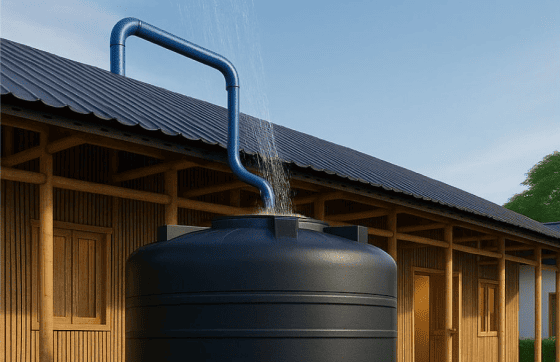
Rainwater Systems

Green Academies are built with rooftop rainwater collection systems. Rainwater is stored, filtered, and treated to provide safe drinking water for students, teachers, and the wider community-improving health and reducing time spent fetching water.

4

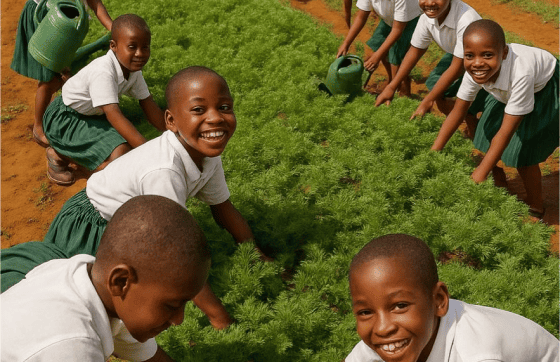
Gardens & Biodiversity

Outdoor gardens and biodiversity spaces make learning hands-on and holistic. Children grow food, study ecosystems, and learn sustainable
agriculture. These green spaces also support nutrition programs, providing fresh produce for students.

3

Satellite Internet

For many communities, Green Academies provide their very first internet connection. Through satellite technology, children gain access to digital learning, global knowledge, and virtual mentorship. It also connects teachers and families to new opportunities and resources.

 
2

Solar Power

Every Green Academy runs fully on clean solar energy. This ensures classrooms, labs, and digital tools stay powered without reliance on
unstable grids or generators. With solar, learning continues seamlessly, even at night or during power cuts.

1

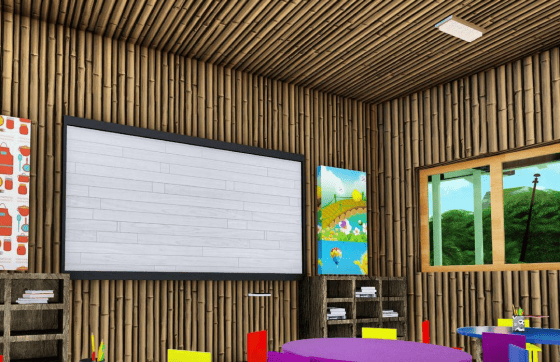
Built with sustainably sourced bamboo, reclaimed wood, and locally sourced materials- reducing carbon emissions while providing durable, safe spaces for learning. These materials are low-cost, renewable, and naturally cooling, perfect for Africa’s climate.