Jennifer Williams: This is a story of a fighter, a polymath and a star.
A Journey of Courage, Community, and the Power of Opportunity
On a humid afternoon in May 2019, during what was supposed to be a routine malaria-prevention outreach to a remote riverine settlement outside Lagos, a moment occurred that would alter the course of one young girl’s life, and remind all of us why hope is worth fighting for.
The program had ended and our medical team was preparing to depart when a quiet tug of curiosity led us deeper into the village. Wooden shacks dotted the waterfront, children played barefoot on the sand, and fishermen prepared for the tide. But about 30 meters ahead, away from the cluster of activity, sat a thin girl wrapped in a worn blanket, her head bowed, as though she was trying to disappear.
When she noticed us approaching, she attempted to flee into her hut. Her steps were small and unsteady. We gently asked her to stop. She didn’t speak. She couldn’t. Years of pain had carved silence into her.
Her name, we would soon learn, was Jennifer Williams.
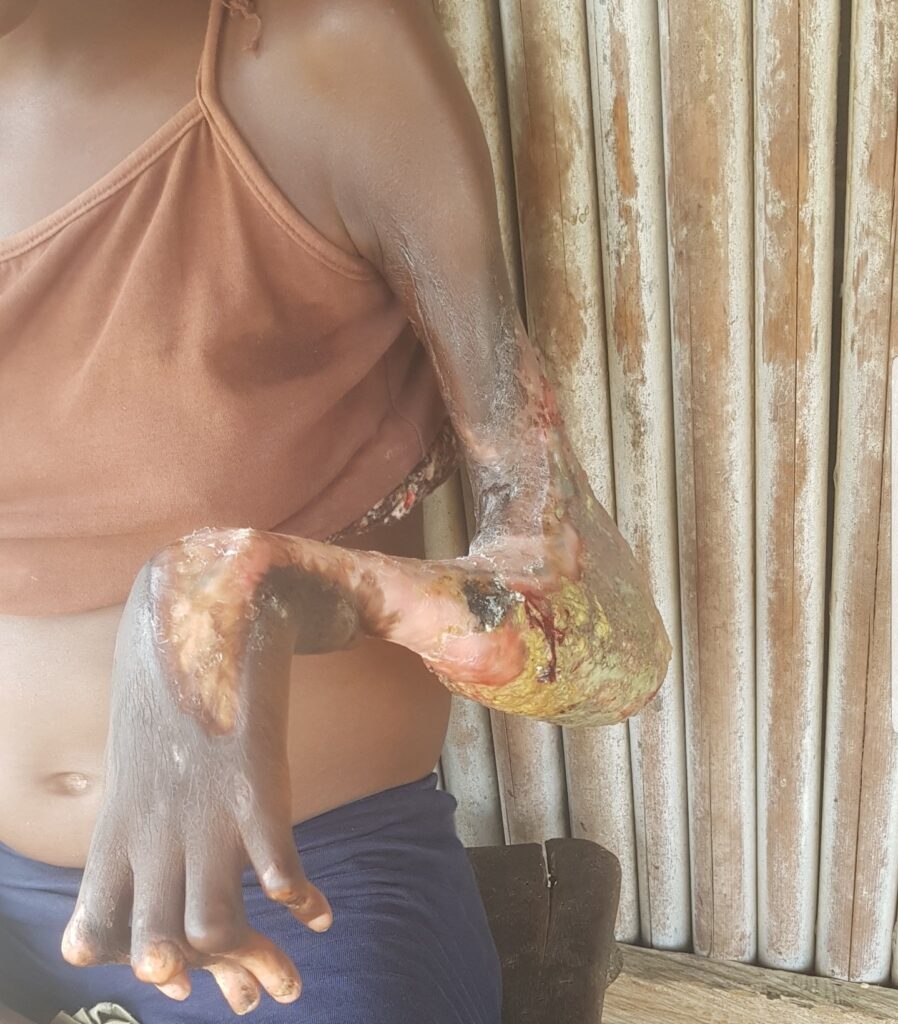
At 17, she looked no older than 11. Her left arm was severely infected – chronic osteomyelitis that had eaten deep into her bone. The wound dripped continuously with pus, the smell unmistakably a sign of danger. She had been left like this for nearly five years, pulled out of school, hidden away, and separated from other children for fear she might infect them… or worse, die in their presence.
Her only caregiver was her aging grandfather, himself overwhelmed by poverty and fear. Jennifer had been abandoned not out of cruelty, but because the community had no idea what else to do.
That moment – her fragile figure standing in the doorway, terrified yet longing for help – became the beginning of a new story.
A Fight for Life
With her grandfather’s consent, we moved quickly. She was rushed more than 50 miles to a teaching hospital, admitted in the ICU, and placed under immediate care. Volunteers took turns keeping watch, donating blood, raising funds, and praying through the long nights.
After weeks of tests and consultations, the medical verdict was heartbreaking but clear:
Jennifer’s arm could not be saved. Only her life could.
The infection had spread too far. Amputation was the only chance at survival.
In October 2019, surrounded by the volunteers who had become her temporary family, Jennifer underwent surgery. When she awoke after the amputation, something extraordinary happened: she smiled. A shy, fragile smile, but unmistakably alive.
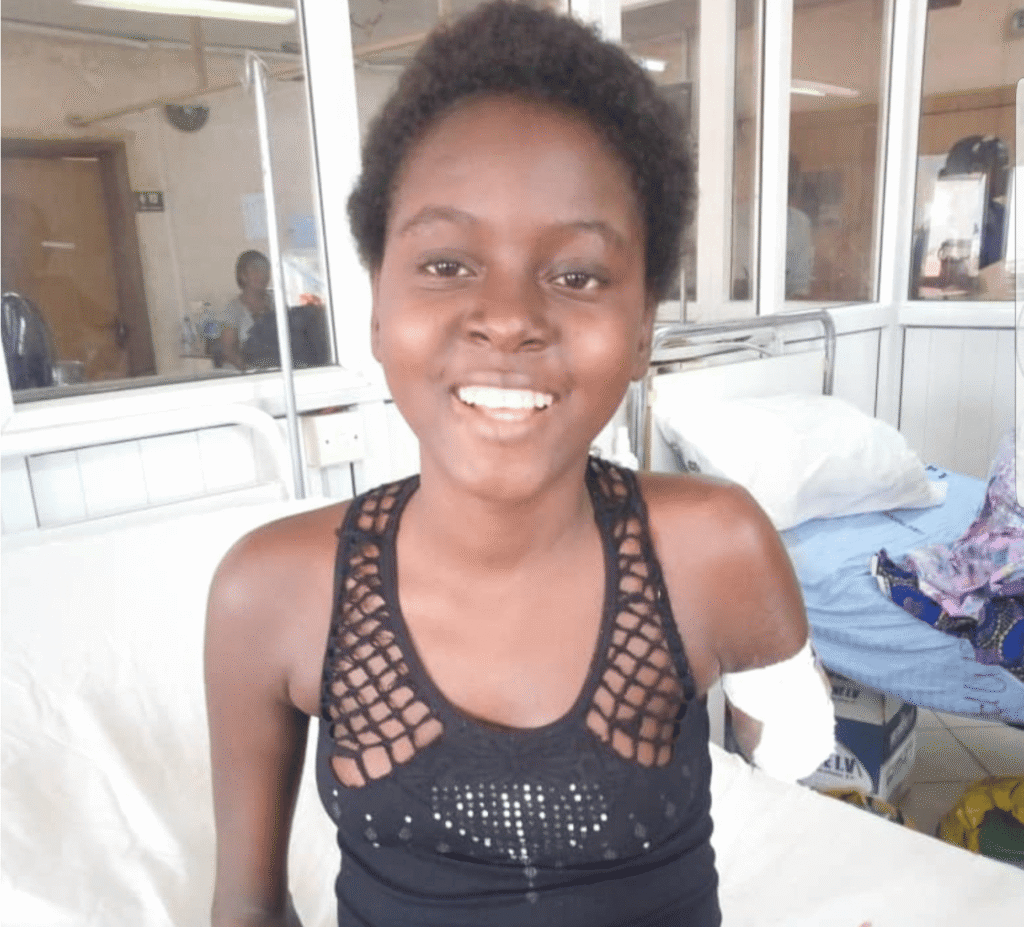
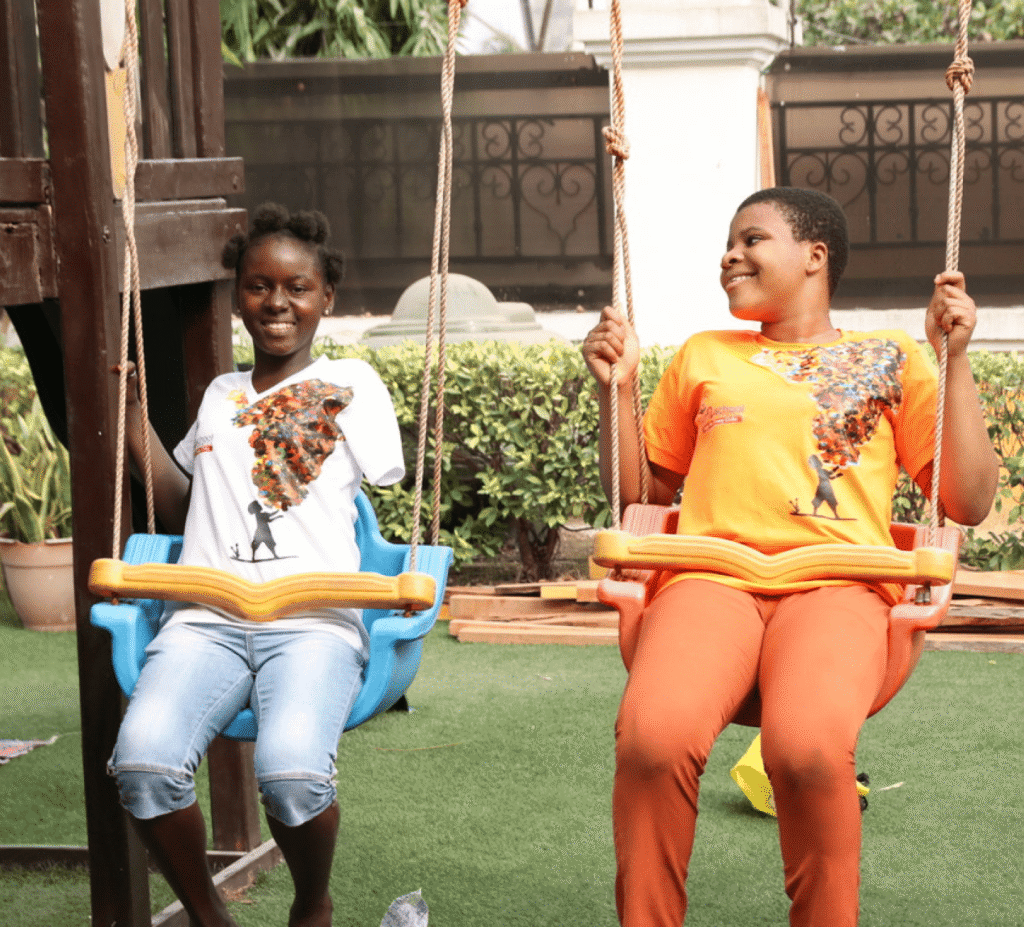
She learned to write with her right hand. She learned to draw again. She learned to hope again.
But surviving was only the beginning.
The Door No One Wanted to Open
Jennifer wanted to return to school – to reclaim the five years she had lost. Yet every door we knocked on remained firmly shut.
She was:
- 18 years old, applying for JSS1
- A girl who had been out of school for half a decade
- A new amputee
- A child many schools thought would be “too much to manage”
Dozens of schools turned us down.
But we refused to stop trying. And we refused to let the world tell her what she could not become.
Then, finally, a door opened.
Corona Secondary School, one of our partner schools, agreed to let her sit for the entrance exam. Jennifer walked into the hall with her prosthetic arm, her new handwriting, and a quiet determination that had survived the unthinkable.
She didn’t just pass, she excelled.
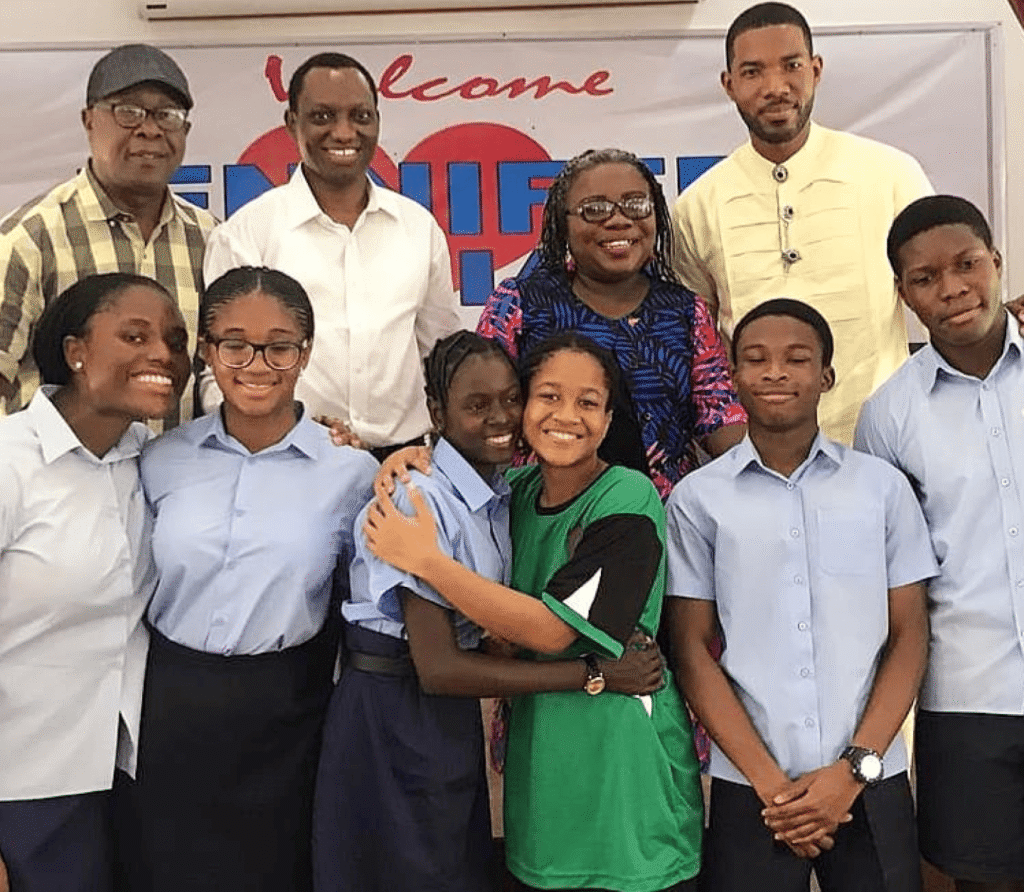
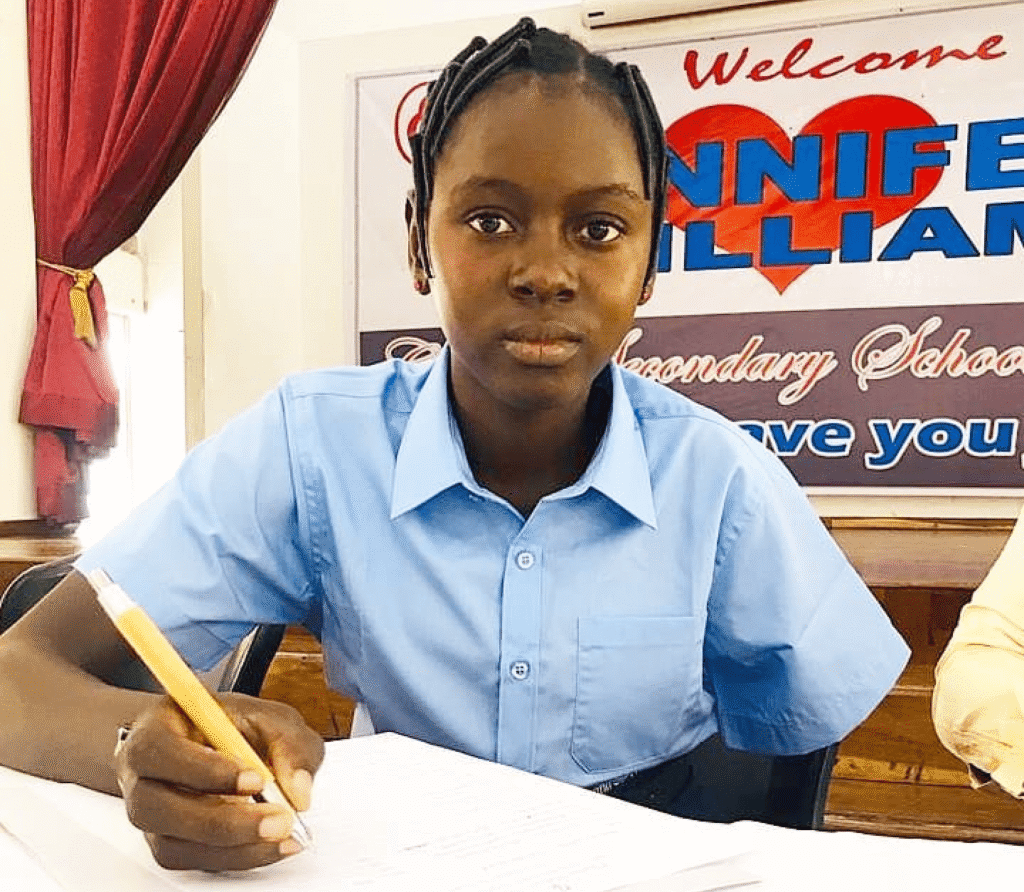

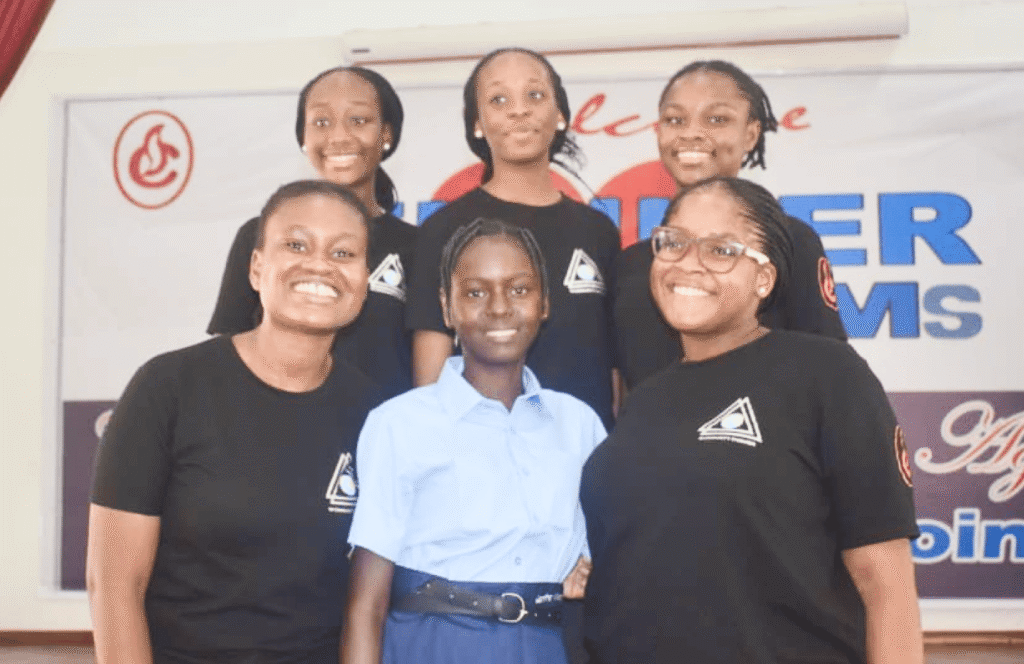
In February 2020, she was awarded a full scholarship and admitted into JSS1. A month later, she walked into her new school for the first time, greeted with a red-carpet welcome from students, staff, and community volunteers who had followed her journey with pride.
Jennifer had gone from abandoned in a bamboo hut… to celebrated in one of the top schools in Nigeria.
Becoming Jennifer – The Leader, The Artist, The Athlete
Once given a chance, Jennifer soared.
- Lead Chorister – Her voice became the heart of the school choir (2021).
- Striker on the Football Team – She refused to be defined by disability (2023).
- 3-Time Award Winner for Best in Yoruba Linguistics – Her love for language became her signature.
- 2nd Place in the AISEN Music Competition – A national stage recognized her talent (2024).
- Principal’s Award for Academic Excellence – The highest honor in the school (2025).
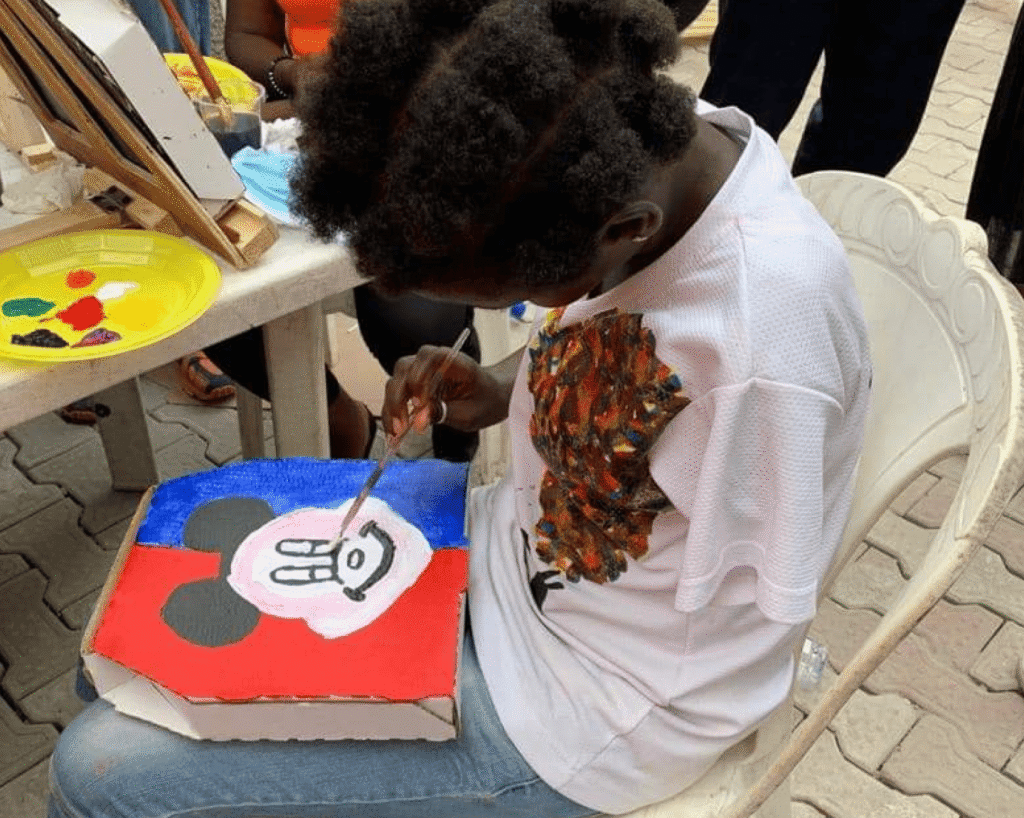
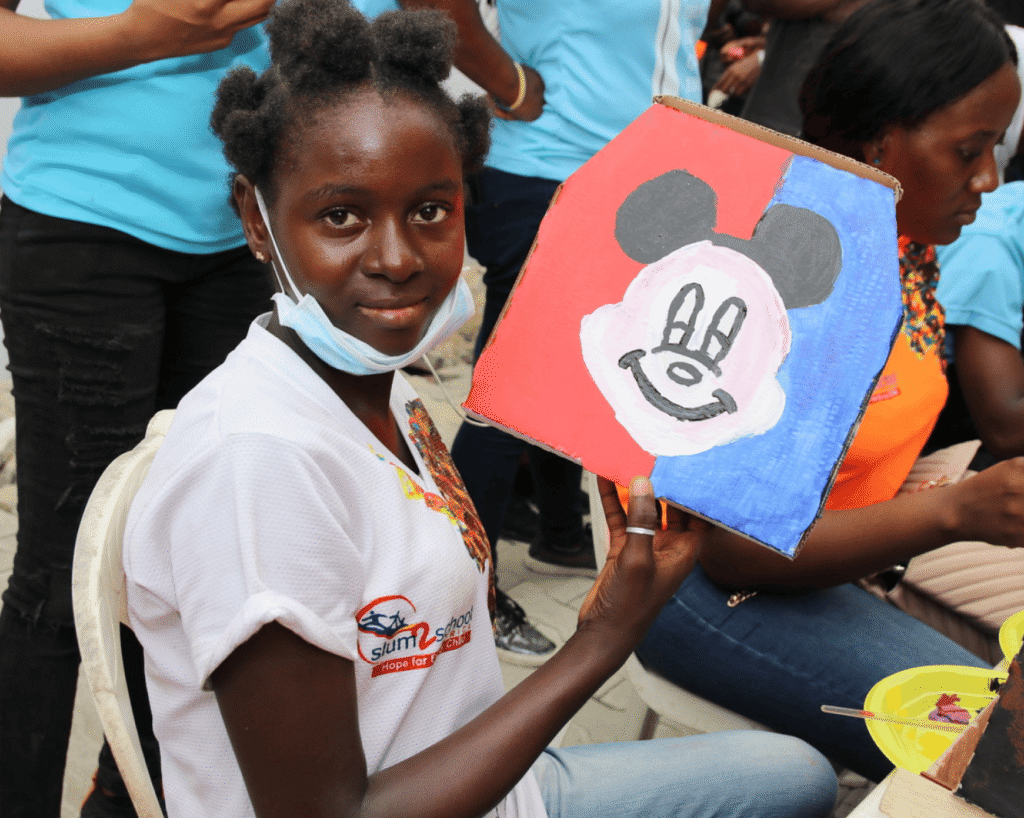
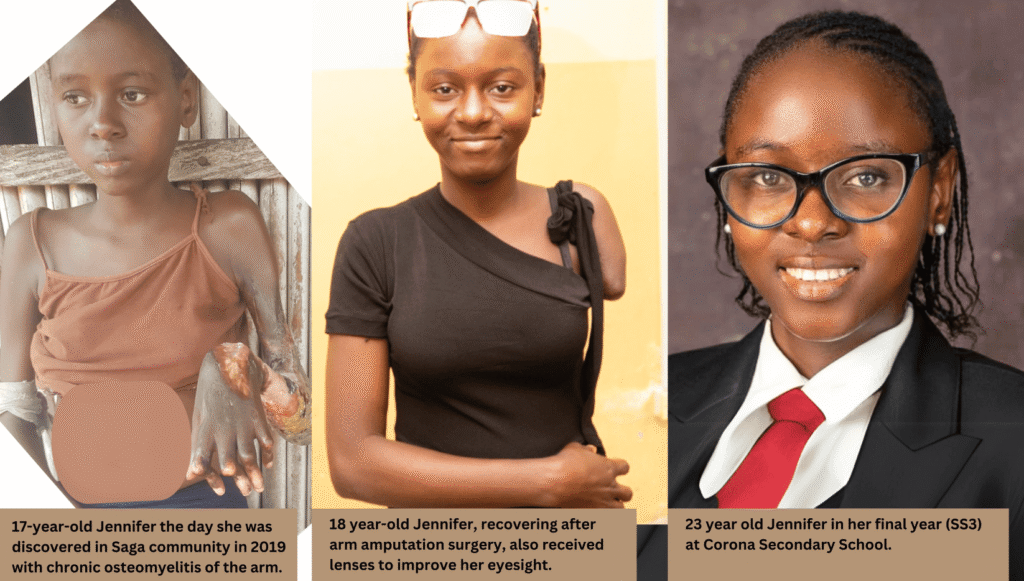
Every achievement shattered a stereotype. Every trophy told a story. Every applause reminded the world that brilliance doesn’t need two arms… it needs one chance.
In June 2025, at 24 years old, Jennifer graduated, walking across the stage in her gown, tears flowed down the faces of parents, classmates, teachers, and volunteers who had witnessed her rebirth.
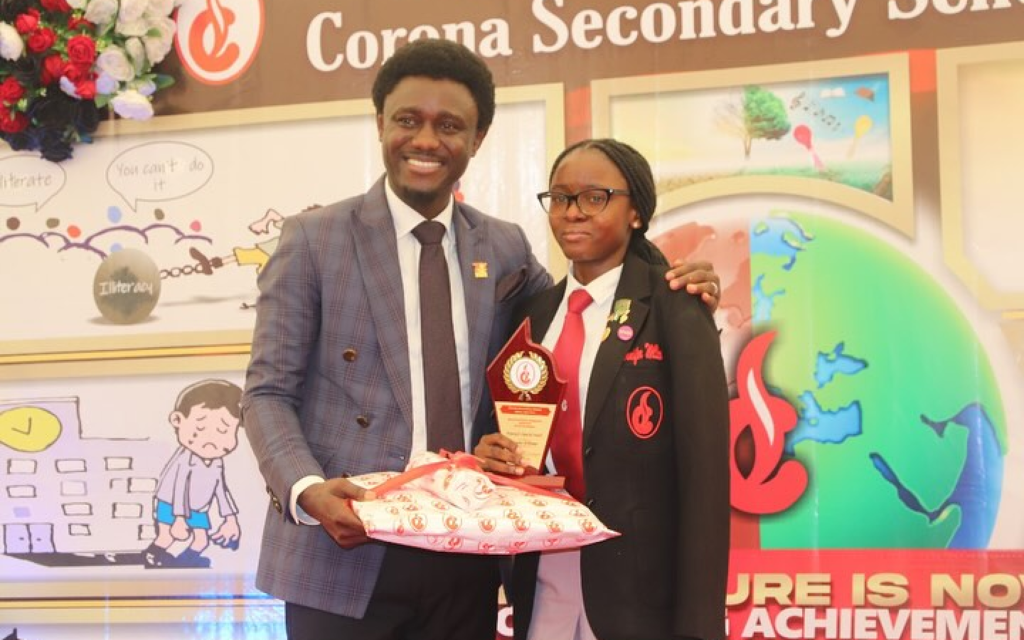

Her story, once defined by abandonment, had become a symphony of resilience, dignity, and hope.
Today, Jennifer is preparing to study Theatre Arts, ready to tell the kind of stories she once lived through – her story of survival, courage, and the beauty of possibility.
A Story That Changes Us All
Jennifer’s journey is more than a transformation.
It is a reminder:
That no child is too lost to be found.
That no future is too broken to be rebuilt.
That access – simple, ordinary access – can turn tragedy into triumph.
She is more than a survivor.
She is a symbol of what becomes possible when a community refuses to look away.
Help rewrite more stories like Jennifer’s.
Your support can give a child the chance to heal, learn, and reclaim their future.