Mary Sunuvun: a story of possibility, resilience & the power of one girl's dream
When Mary finished secondary school in 2014, she thought her dreams were just beginning. Instead, they stalled.
She was 18, living in a community where girls were expected to marry early and boys were pushed into fishing or hard labor long before they were even teenagers. For years, she watched her peers follow the same cycle. By 23, many of her childhood friends already had children, some had four.
But Mary held on stubbornly to one dream: she wanted to go to university. She always believed she could break a cycle that had held generations of girls in her community back.
She wrote JAMB, a national exam to transition into university again and again – five times. Year after year, she hoped something would change.
Nothing did.
Her parents, a fisherman and a market trader, supported her as best as they could. But poverty meant resources were always scarce.
To survive, she began teaching in a small classroom in the community for ₦7,000 a month. She was barely older than some of her students, but she poured her whole heart into them. She told them about university, about possibility, about refusing to give up, even though she herself could not see a way forward.
She told them: “One day, I will graduate from university. And one day, you will too.”
She had no idea how – but she believed.
In 2018, something happened that neither she nor her community could have predicted.
The moment everything changed
On September 20th, 2018, the BBC posted a short 60-second video about a young teacher in Makoko – A girl named Mary John who dreamed of becoming a journalist but could not afford university.
The video went viral.
It showed the weight she carried: the pressure to marry early, the pain of watching her friends move on without her, the frustration of her dreams being stalled by poverty.
The BBC mentioned Slum2School in the video, and by morning the organization woke up to hundreds of tags, messages, and mentions.
There was just one problem, we had never met Mary.
But some community volunteers recognized her, so the Slum2School team immediately asked them to find her. We had barely three hours before a major program began, one attended by journalists and management staff.
We searched through the alleys, on the water, across wooden planks, and by late morning, we found her.
When Mary walked into the program venue, she wore a shy smile, unaware that her life was about to shift.
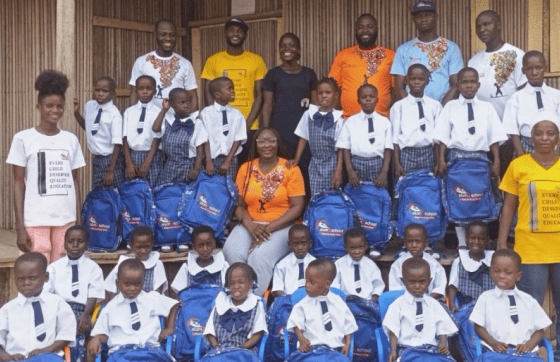
Within days, she became a Slum2School community-based volunteer – advocating for children, joining home visits, helping enroll out-of-school children, and mentoring girls facing the same pressures she had faced.
There were over 1,450 Slum2School beneficiaries in her community alone. Mary showed up for every assignment.
Still, her own dream remained unresolved.
Five years of rejection, and one chance she couldn’t afford to lose
In 2018, Mary finally got an admission offer.
But her family couldn’t afford the fees.
She lost the opportunity, but not the dream.
Slum2School’s guidance and counseling team encouraged her to try one more time. They registered her for JAMB along with other community volunteers and began preparatory classes.
Mary scored 194/400.
She applied to UNILAG and OOU. As the weeks passed without an admission list, Mary’s anxiety grew. At 23, pressure to marry was getting louder. Many people around her couldn’t understand why a young woman would still be “chasing school.”
She kept saying, “If I miss this year again, I may not get another chance.”
When the results delayed further, the Slum2School team began speaking with vice chancellors and professors from various universities.
Then, early on Saturday, September 7th, Otto Orondaam placed a call to Bishop Feb Idahosa of Benson Idahosa University. After hearing Mary’s story, Bishop Feb responded immediately:
“If this is coming from you and Slum2School, BIU will be glad to support her.”
By Monday, paperwork was underway.
A week later, Mary received an official admission into Benson Idahosa University – with a scholarship.
When they called to tell her, she didn’t believe it.
Her family didn’t either.
They all came to confirm it in person, and when they realized it was real, joy filled the room.
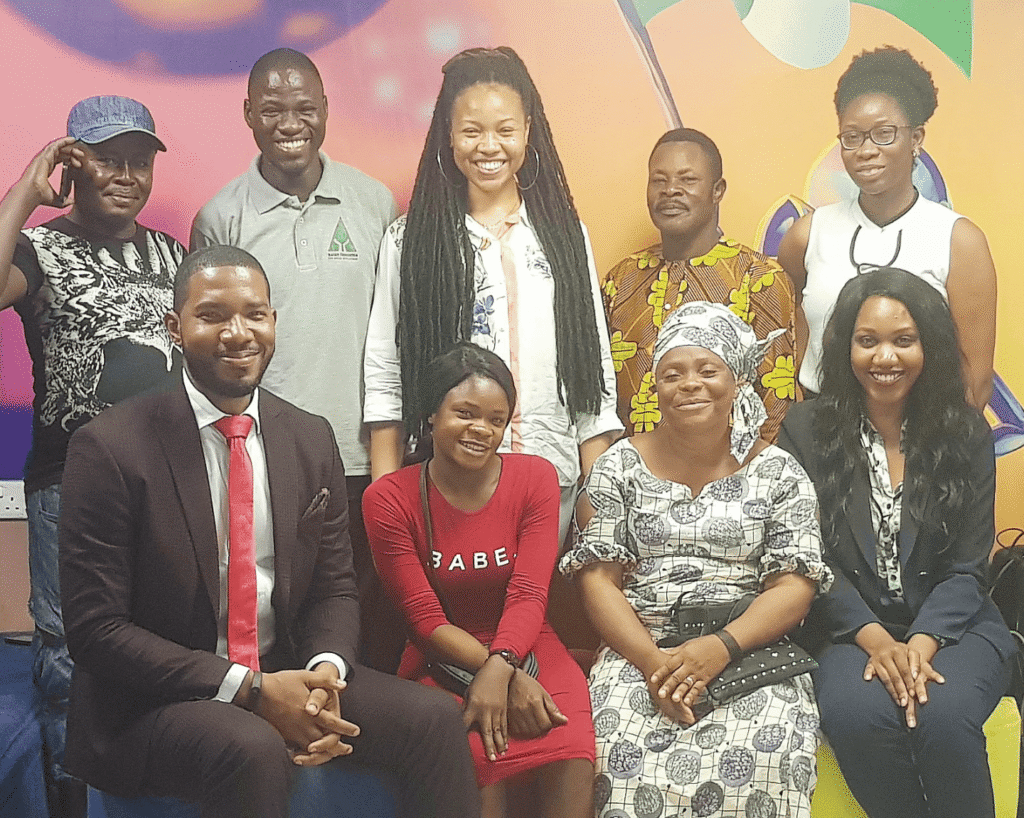
Mary was leaving Makoko, for the first time in her life.
That was the beginning.
A dream fulfilled – and multiplied
Mary resumed at BIU on September 23rd, 2019 as a 100-level student of Mass Communication and Journalism.
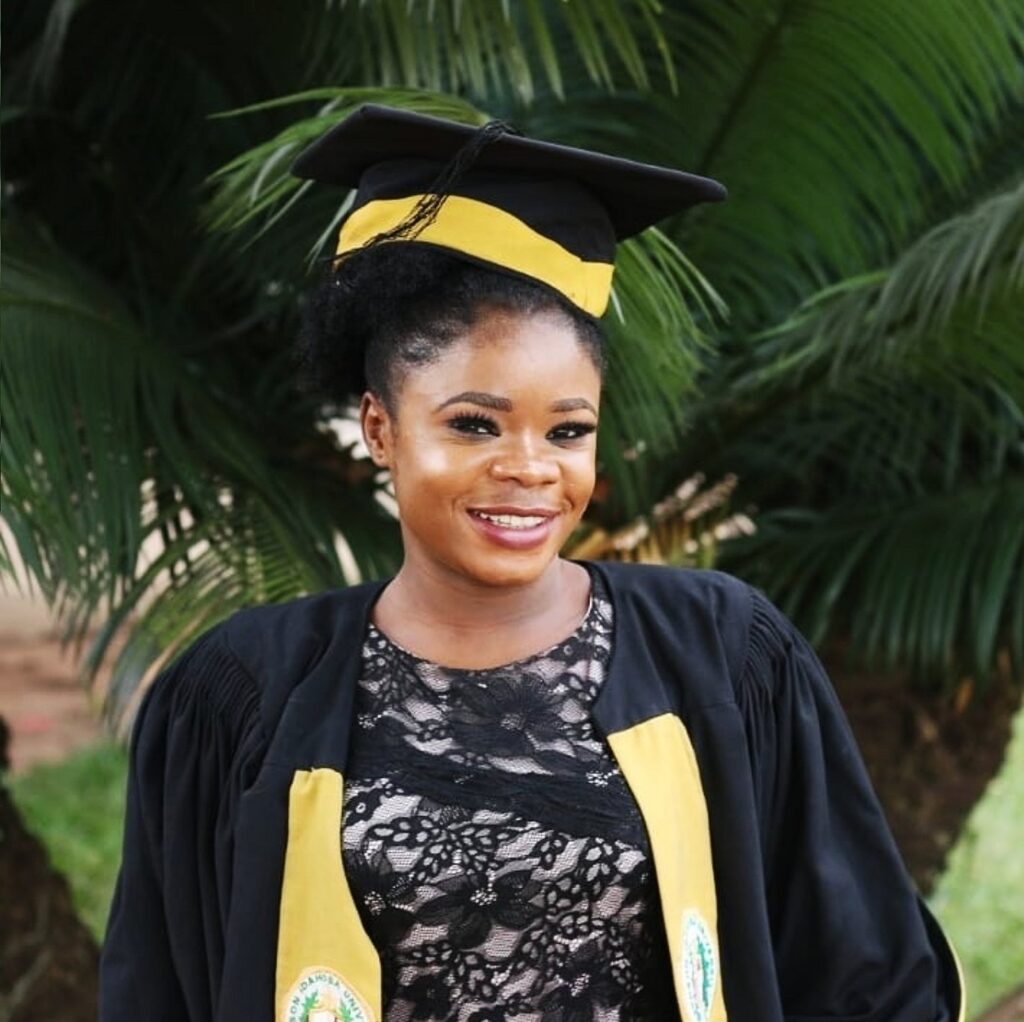
A group of 15 people, family members, Slum2School staff, community volunteers, and security, travelled to celebrate with her. She was the first in her family to ever attend a university. The moment was emotional for everyone.
Mary didn’t just enter university. She carried her community with her.
Five years later, Mary walked proudly across the graduation stage at Benson Idahosa University, earning a Second Class Upper and becoming the first graduate in her family, and one of the very few from her community.
Her achievement didn’t just belong to her. It belonged to the thousands of children who saw her and thought, “Maybe I can be next.”
When she returned home after graduation, the entire community gathered to celebrate her. In a place where good news is rare, Mary had become a beacon of possibility.
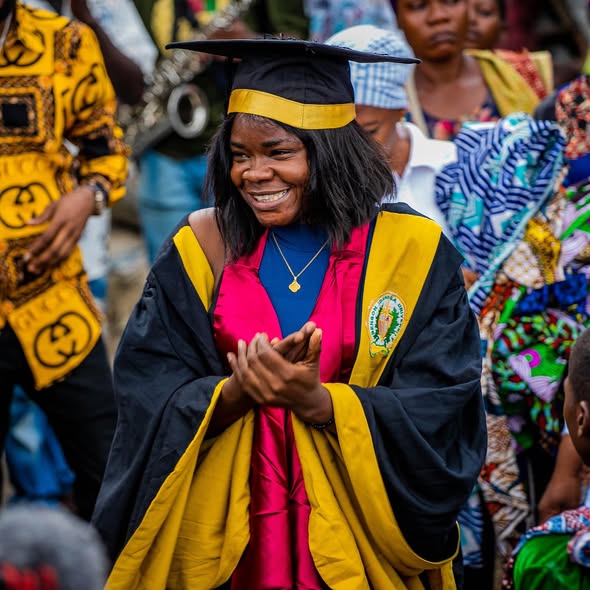
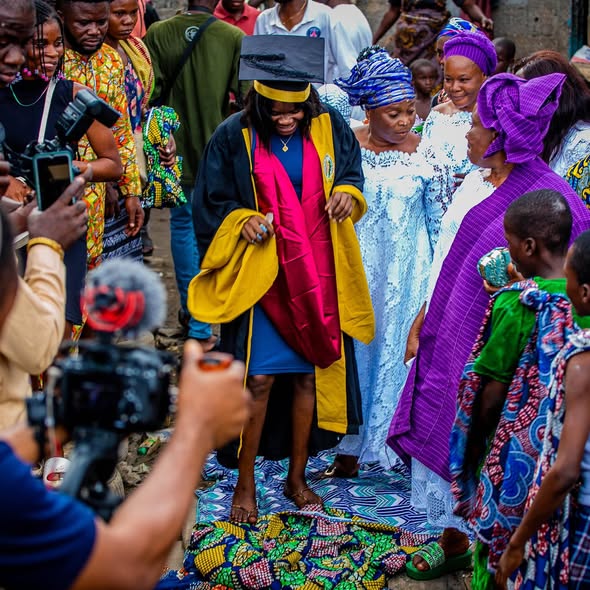
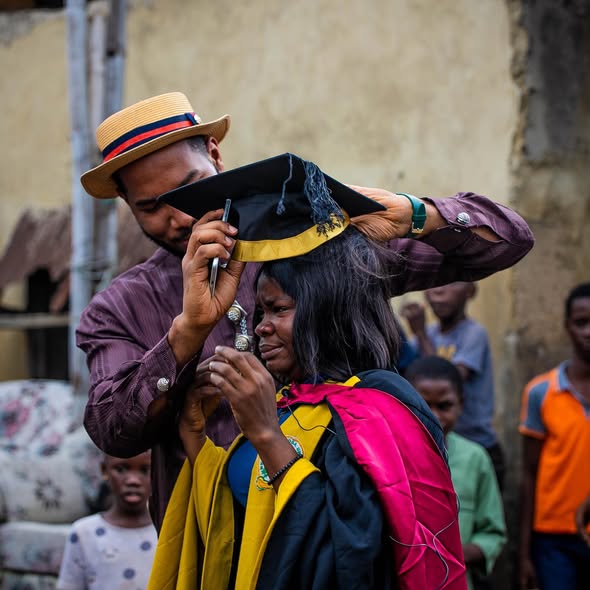
But as she looked around, she noticed something: so many of the children cheering for her were still out of school – living the same story she had fought so hard to escape.
And Mary knew her journey wasn’t complete.
“My story is not different from theirs. They deserve the same chance I got.”
Determined to turn her success into a bridge for others, Mary returned to Makoko with a plan.
Together with the Slum2School team, she walked through narrow alleys, over floating wooden planks, and into more than 1,000 homes, profiling children who had dropped out or never been enrolled at all. Many girls faced early marriage. Many boys had been pushed into fishing, petty trading, or manual labor. Families simply couldn’t afford school supplies.
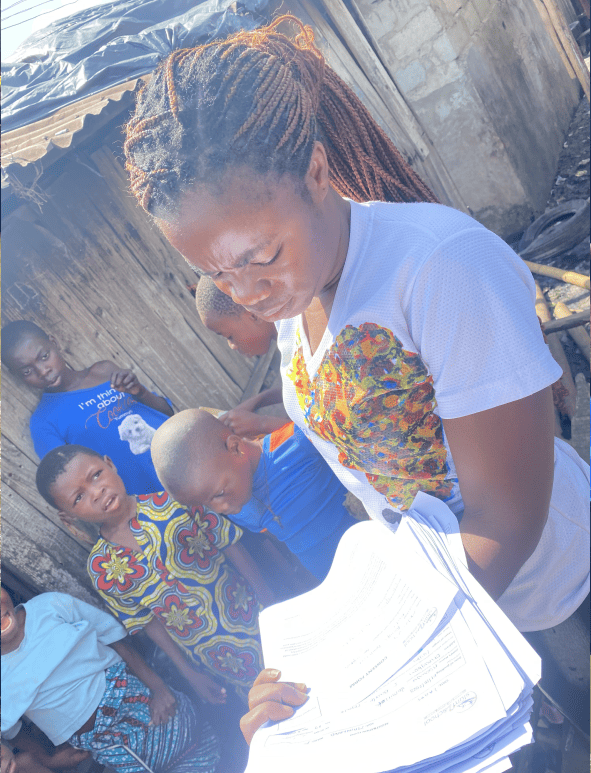
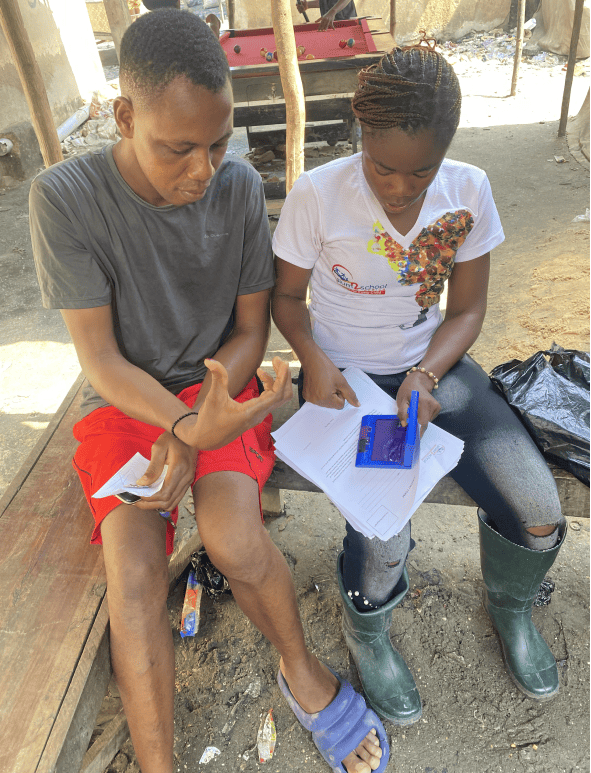
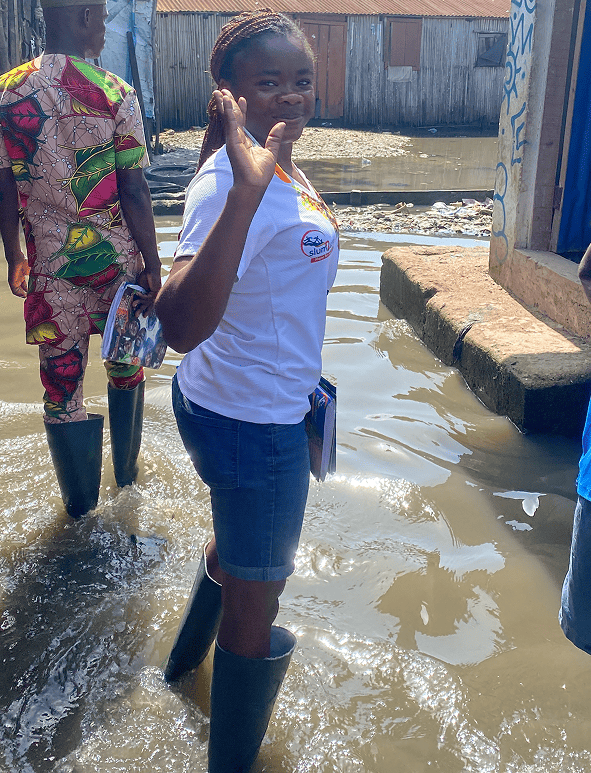
Mary saw herself in every one of them.
And so she launched Mary’s Gift – a campaign to support 500 children across seven communities to access formal education, in partnership with Slum2School Africa.
She didn’t wait for change.
She mobilized it.
In 2024, through Mary’s campaign 204 children were enrolled into school.
From inspiration to impact – a full-circle moment
Mary’s journey didn’t end after graduation. During her National Youth Service, she honed her teaching skills, gaining even more clarity about her passion for education.
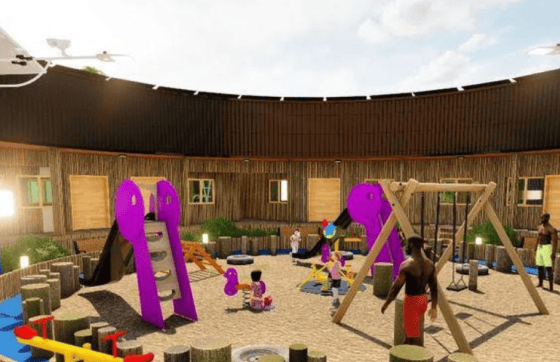
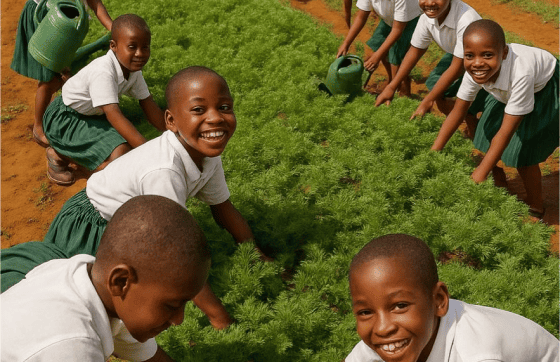
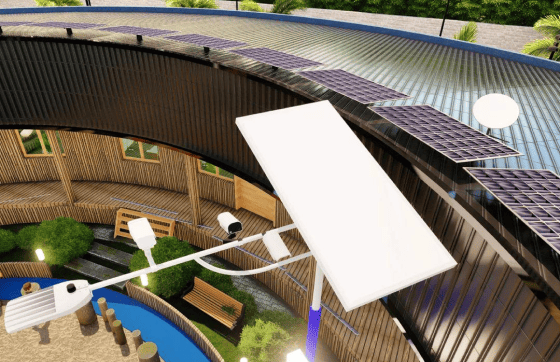
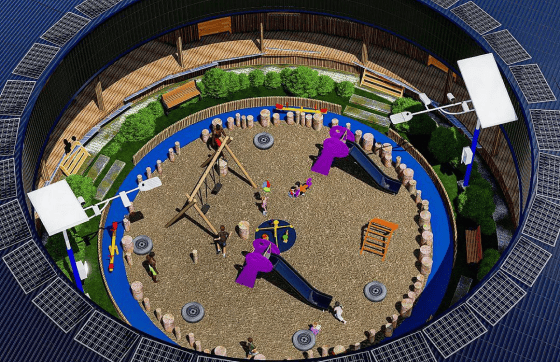
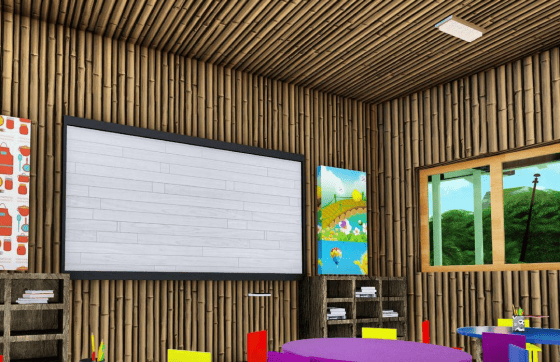
In 2024, Slum2School was building the Green Academy, the first school to serve a cluster of communities that had been without a school for over a decade. They needed teachers with heart, vision, and lived experience – someone the children could look up to.
Mary was invited to interview and she got the job.
Today, Mary stands in front of a classroom filled with children who remind her of the girl she once was – full of potential, waiting for someone to say “I believe in you.”
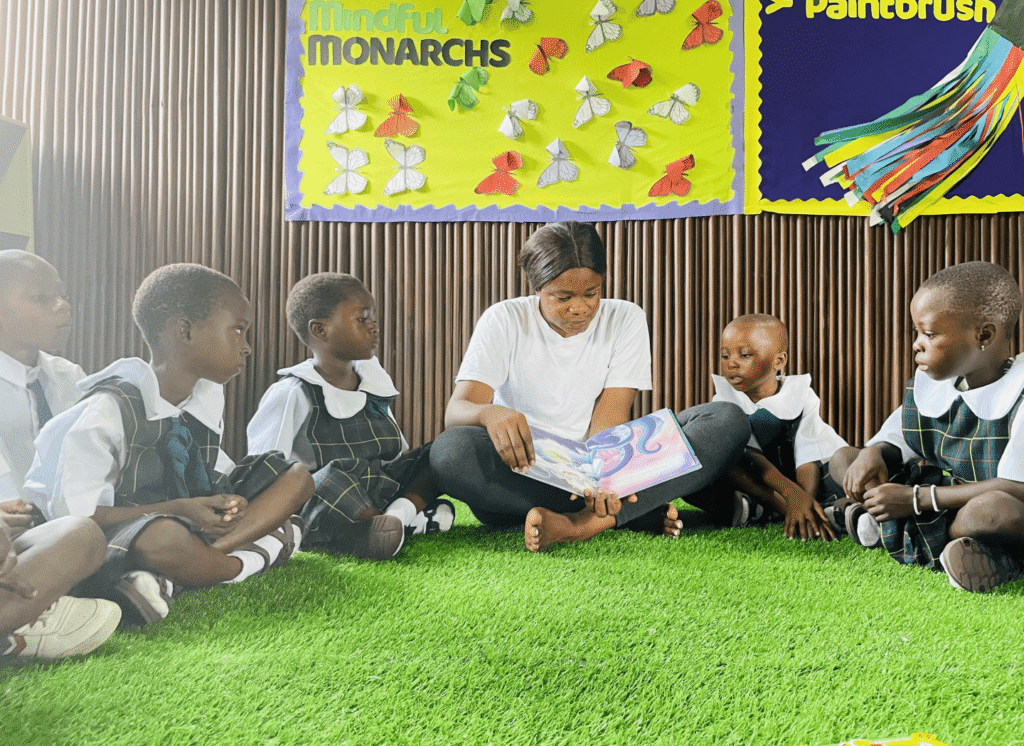
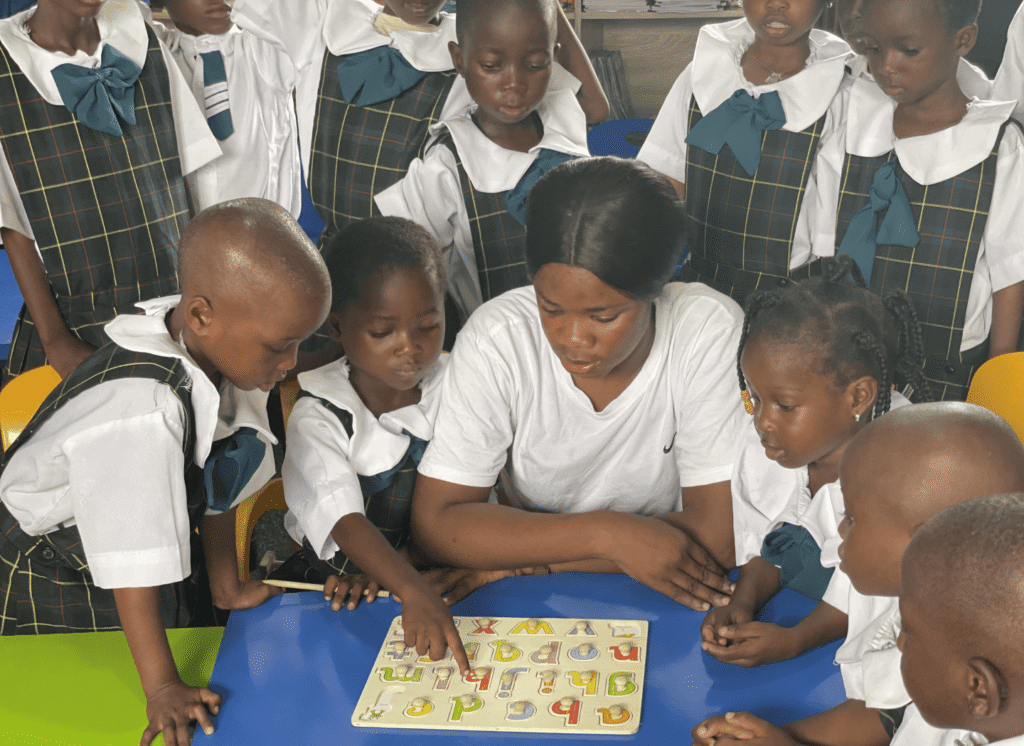
Every day she teaches, she pays forward the opportunity she received. Every child she inspires becomes part of a movement she started with her own story.
“I want every girl in my community to know that education is her right, not a privilege.”
Mary is not just an alumna.
She is not just a teacher.
She is living proof of what happens when one person dares to dream beyond the limits of their environment, and when a community of supporters responds.
Her journey continues. And so does her mission.
Through Mary’s Gift, through her work at the Green Academy, and through her voice that continues to echo across Makoko, she is rewriting the future for hundreds of children, especially girls who have been told their dreams are too big.
But for Mary, no dream is too big.
Not anymore.