Meet
Orondaam Otto
From a young professional to social entrepreneur transforming lives through education.
Orondaam Otto didn’t set out to be a humanitarian. He was 24, with a medical background, working a comfortable job in the corporate sector. But everything changed the day he walked into Makoko – the largest floating slum community in Africa.
The Day Everything Changed
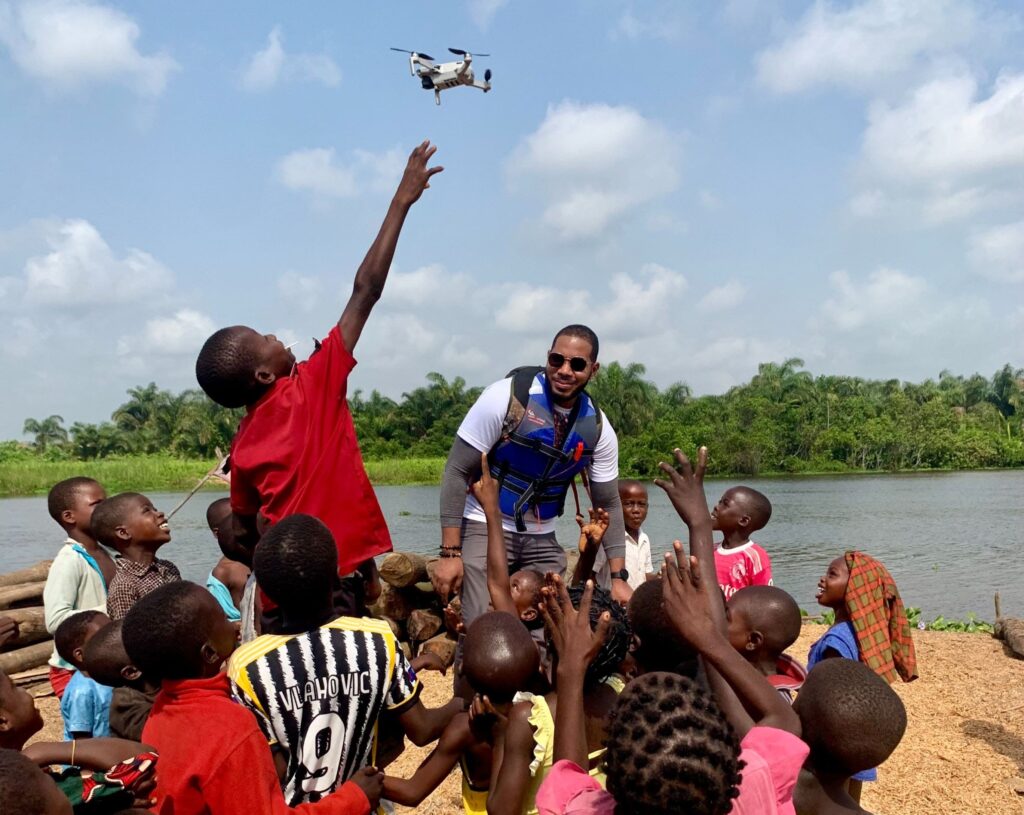
He met hundreds of children paddling, bathing in the murky waters, or roaming the streets, but it was a school day. They were bright and full of energy, but none of them had ever been to school. Some were hawking on the streets. Others were left at home while their parents worked. Their parents could not afford school fees-most of these families lived on less than $5 a day-and for the hopelessness of their situation and cultural norms, they were already disillusioned on the relevance of education for their children.
These children were out of school, out of opportunities, and out of options. That moment stuck with him.
Leaving Comfort To Create Change
He left his Job, gathered friends, started Slum2school
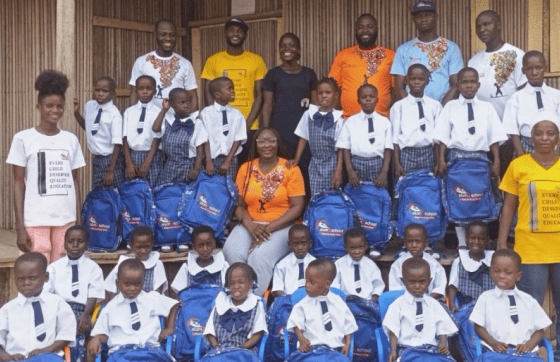
He couldn’t shake the thought that, if nothing changed, those children would never get a chance to build the lives they deserved. Because the reality is, for every one of those hundreds of children not in school, studies show that their earning power reduces by up to 50%, their children are 70% more likely to not go to school, and the cycle of poverty continues. So he did something radical, he left his job and started gathering a small group of friends, young people who also wanted to do something to ‘move the needle’. That simple act became Slum2School Africa, a volunteer-powered organization that has now reached over 1,118,960 children and youths, enrolled 4,669 into schools – generating 28,931 scholarship-years of support, and built a powerful model of education that includes the entire ecosystem around each child.
Education Beyond Classrooms
What makes the Slum2School model unique is that it goes far beyond helping children go to school, to address the whole ecosystem around the child. We understand that poverty, trauma, hunger, and exclusion are all tied to whether a child can succeed in school and life. Our model incorporates scholarship support, skills development, alongside health care, psychosocial support, nutrition and family support – working with parents, caregivers, teachers, and community leaders, and equipping them to better support each child’s learning journey.
Innovation in Action
We go beyond providing access to classrooms to reimagine education for the future. Through bold, tech-enabled solutions, we’re giving children in underserved communities the tools to thrive in today’s world and tomorrow’s economy.
Virtual Classroom
Nigeria’s first digital learning program for underserved children.
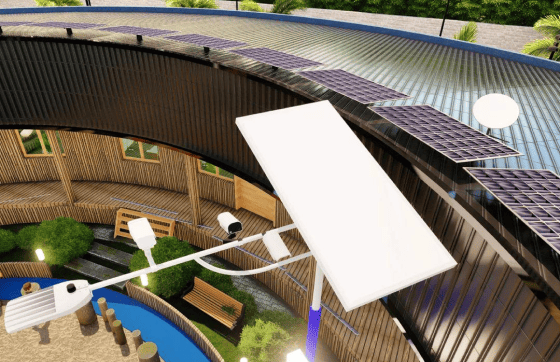
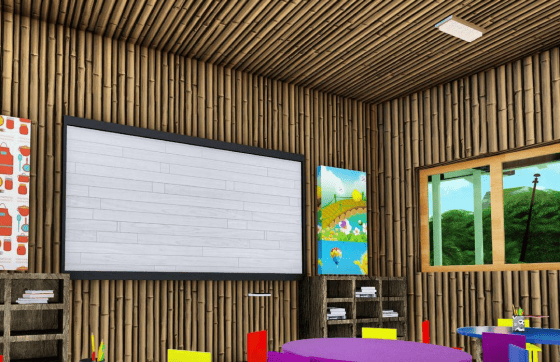
When the pandemic shut down schools, we launched virtua classrooms powered by solar kits and tablets, ensuring thousands of children stayed connected to quality learning.
Innovation Labs
Where creativity meets technology
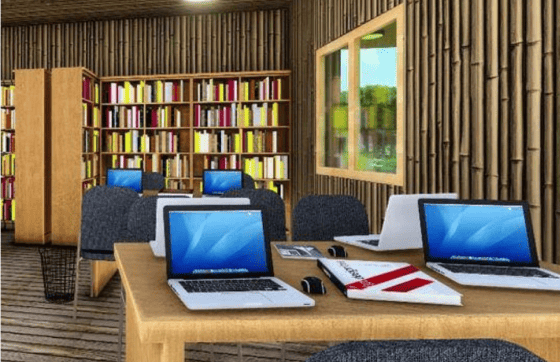
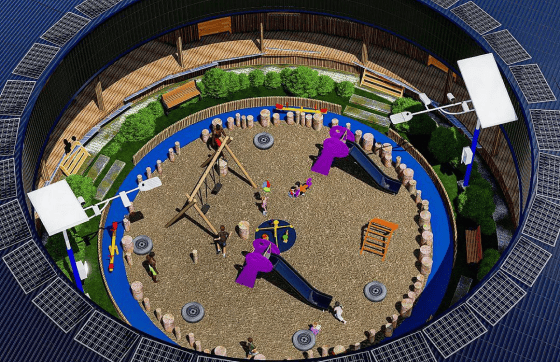
In our community innovation labs, children learn coding, robotics, design and problem-solving-skills that prepare them to compete globally and shape their own futures.
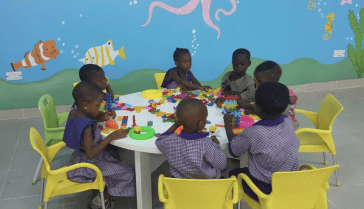
System Change
Transforming schools, influencing policy
Beyond communities, our model is being integrated into public schools and government systems, creating scalable, lasting change for millions of children across Africa.
Leading With Empathy
At the heart of Slum2School’s journey is the simple belief that every child deserves a chance to dream, learn and thrive. Orondaam’s Otto’s leadership is rooted in empathy – listening to children, families, and communities and building solutions together that restore dignity and opportunity.
“Education is the most powerful tool to break the cycle of poverty. Each child we empower today becomes a beacon of hope for generations to come”
-Orondaam Otto,
Founder/Executive Director
Awards and Recognition
Otto Orondaam has been recognized globally for his leadership and impact in education and social innovation. He is a World Economic Forum Young Global Leader (2025) and a 2025 Eisenhower Global Fellow, honours celebrating exceptional changemakers worldwide. A 2016 Mandela Washington Fellow, Otto is also a two-time winner of The Future Awards Africa, receiving both the Innovator of the Year (Education) and Prize in Education for his pioneering work with out-of-school children.
He was selected as an Edward S. Mason Fellow at Harvard Kennedy School, where he earned the Lucius N. Littauer Fellowship and the Erik Yankah Award for distinguished leadership and service. Otto continues to contribute to the Harvard community as a member of the HKS Alumni Board and the HKS Black Alumni Board.