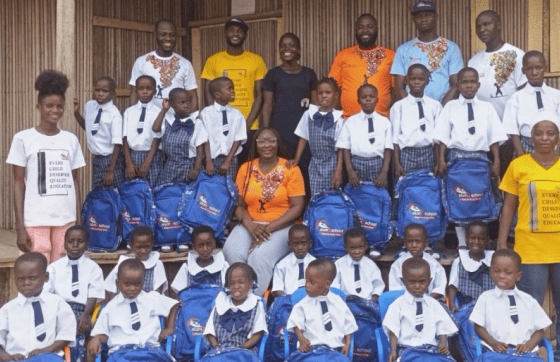
Slum2School Enrolls 510 out-of-school children from 11 communities into 5 schools accross Lagos State

The Fundraising campaign to sponsor one thousand out of school children into school was officially kick-started on Saturday the 18th of August 2018 and was themed #AThousandDreams.
Every year Slum2School Africa identifies vulnerable out-of-school children across several under-served communities and States in Nigeria, the volunteers and partners raise resources, funds and develop new partnerships to provide scholarships and enroll the children into schools where they are educated and supported through school.


Since 2012 Slum2School has enrolled over 1660 children into schools and supported over 32,000 children through various programs and this year was no different.


The Fundraising campaign to sponsor one thousand out of school children into school was officially kick-started on Saturday the 18th of August 2018 and was themed #AThousandDreams. The goal was to raise resources to enroll a thousand children into school for the 2018/2019 academic session and on the 27th of October Slum2School successfully enrolled 510 out-school-children between the ages of 4 years and 15 years into schools for the first time.


The enrollment ceremony was officially opened by the Board Director of the Lagos State Universal Basic Education Board (SUBEB) Mrs. Abosede Adelaja, and in attendance were the founder of Slum2School, Orondaam Otto, board members like Dr Modupe Adefeso and several volunteers, several board members from the Ministry of Education, Directors and Board members from SUBEB, the Commissioner for Budget and Planning in Ogun State Ms Rele Adesina, the Country Director for Dutche bank, Mrs Abiola Azeez, Professor Abiola Awosika  and several admirable personalities.


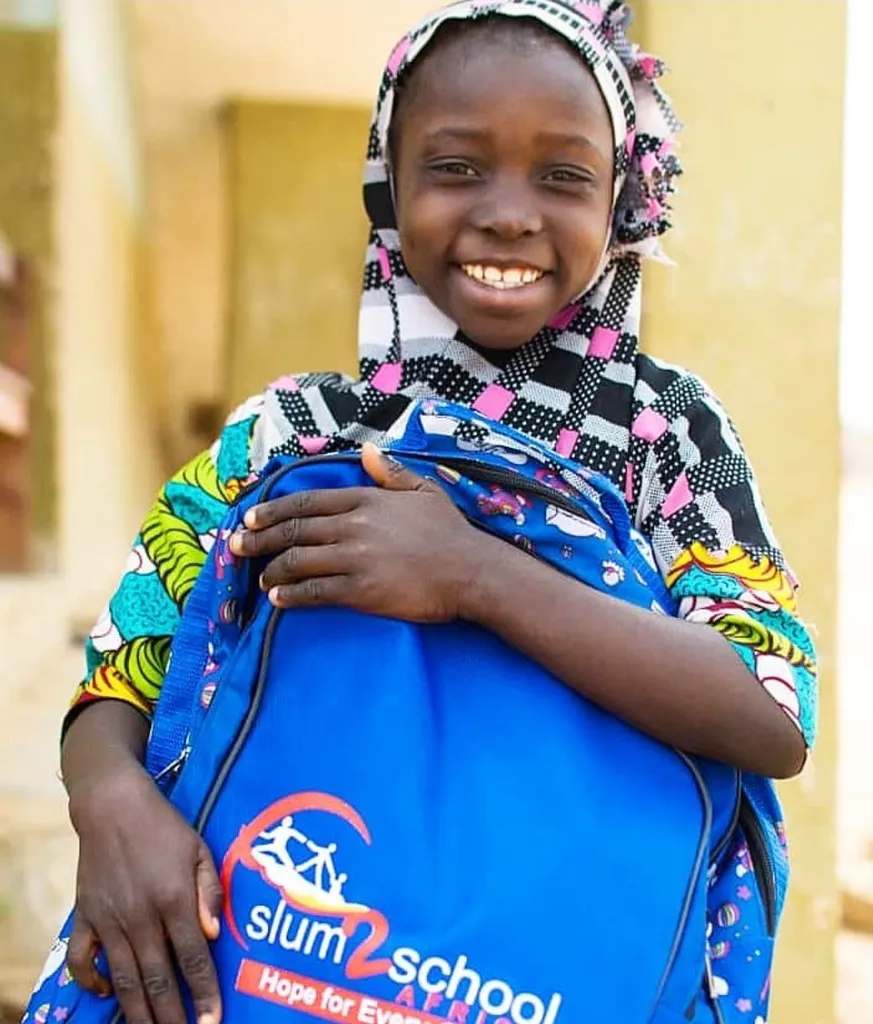
Acceptance letters and enrolment cards were given to successfully selected children across communities like Iwaya, Sogunro, Makoko, Aiyetoru, Tarkwabay, etc and each was presented with their school bags, school supplies, and kits.


Various partners for the campaign were in attendance and hundreds of volunteers were equally in attendance. Eat n Go Nigeria Limited, who launched a fundraising campaign for Slum2School using their Coldstone brand were present with boxes of Domino’s pizza, and hundreds of Cold Stone Ice-cream and Pinkberry Yoghurt for the children, while also presenting a cheque of N2.4 million to sponsor more children to school.


A major highlight of the event was the tour into the community to visit some beneficiaries and among the important guests that were present were Dr. Oby Ezekwesili, Co-founder of Transparency International and former word bank Vice president, Meirav Arlosoroff, Senior commentator and editor, The Marker daily newspaper, Gary Sussman and a host of others local and international volunteers.


Slum2School Enrollment Ceremony for 2018 was very colorful and inspiring and as always the volunteers put in time and energy to make sure the event was a success. Over the coming weeks more enrolments will take place in communities across Port Harcourt, Abuja, Borno and Ibadan.

 

YOU CAN MAKE A DIFFERENCE IN THE LIVES OF CHILDREN IN NEED

Help support the education of children across Africa.

Pledge a Birthday

Pledge a Birthday

References

  1. Global Education Monitoring Report Team (2016). Education for people and planet: creating sustainable futures for all.
  2. Comms, D. (2021). The ripple effects of investing in girls’ education. Plan International Australia.
  3. Comms, D. (2021). The ripple effects of investing in girls’ education. Plan International Australia.
  4. Comms, D. (2021). The ripple effects of investing in girls’ education. Plan International Australia.
  5. Global Education Monitoring Report (2023). 244M children won’t start the new school year.
  6. World Bank. (2019). Ending learning poverty: What will it take?
  7. Fatunmole, M. (2023). Key data on early childhood education in Nigeria. The ICIR- Latest News, Politics, Governance, Elections, Investigation, Factcheck, Covid-19
  8. Enoch, A. (2024) Quality education delivers growth – but Africa’s scorecard remains poor. ISS Africa.
  9. UNESCO. (2022). 244 M children won’t start the new school year. Paris: UNESCO.
  10. Fatunmole, M. (2023). Key data on early childhood education in Nigeria. The ICIR- Latest News, Politics, Governance, Elections, Investigation, Factcheck, Covid-19.
  11. World Bank. (2019). Ending learning poverty: What will it take?. World Bank.
  12. Quality education delivers growth – but Africa’s scorecard remains poor | ISS Africa. (n.d.). ISS Africa.
  13. Heminway, J., & Heminway, J. (2023). Why Becoming Educated is Hard in Sub-Saharan Africa – Especially for Girls – The Water Project. The Water Project.
  14. UNICEF, (2021), Transforming Education in Africa.
  15. World Economic Forum. (2023), How Africa’s youth will drive global growth.

Every sponsorship supports:

  • Construction: Eco-friendly school facilities built with locally sourced, sustainable materials

  • Innovation: Solar power, rainwater collection, biogas, gardens, and internet access.

  • Learning & Support: Scholarships, teachers, health services, and psychosocial care.

  • Sustainability: Training, monitoring, and integration into public systems.

9

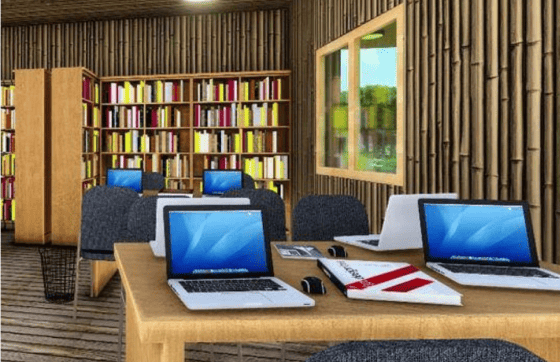
Library & Innovation Lab

Every Green Academy includes a library, STEM and Innovation lab, giving children access to books, technology, and digital resources. This opens doors to coding, research, and global learning experiences that prepare them for the future.

8

Biogas Systems

Waste from the school is converted into biogas through a clean, closed-loop system. This provides safe cooking energy and powers the backup generator – reducing pollution, improving sanitation, and teaching children about renewable energy in action.

 
7

Full Annual Scholarships

Each Green Academy provides 250+ underserved children with free, high-quality education. Scholarships cover tuition and also books, meals, healthcare, psychosocial support, and skills development, ensuring every child has the tools to thrive.

6

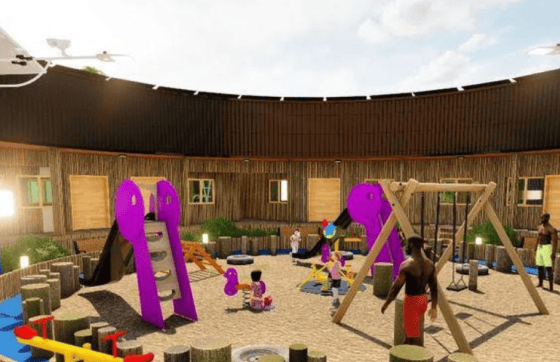
Open-Air Design

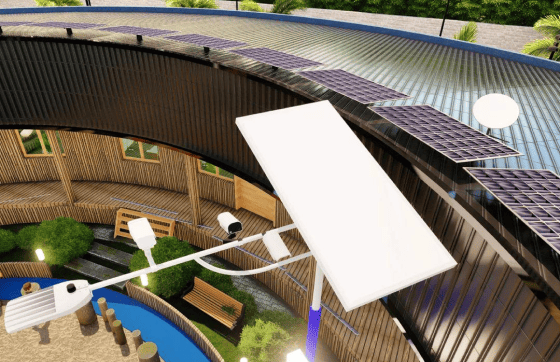
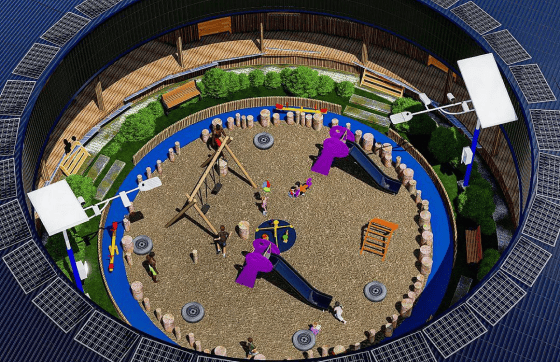
Classrooms are designed with circular, open-air structures that maximize natural airflow and light. This reduces heat, lowers energy use, and creates healthier learning environments, without the need for costly air conditioning.

 
5

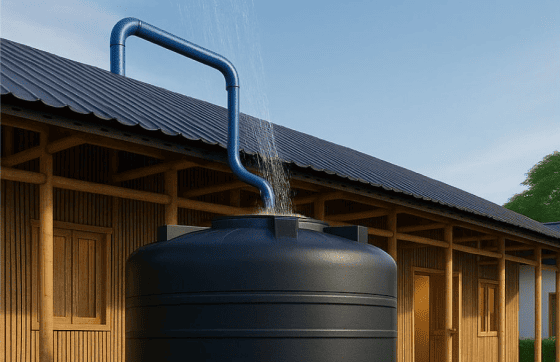
Rainwater Systems

Green Academies are built with rooftop rainwater collection systems. Rainwater is stored, filtered, and treated to provide safe drinking water for students, teachers, and the wider community-improving health and reducing time spent fetching water.

4

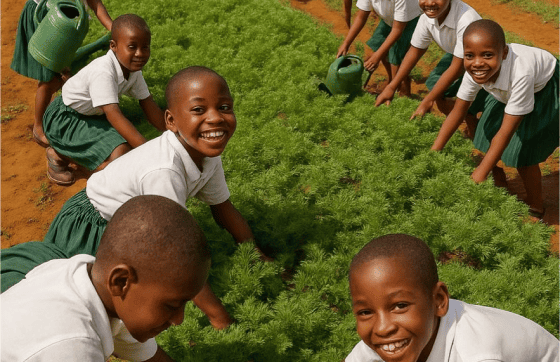
Gardens & Biodiversity

Outdoor gardens and biodiversity spaces make learning hands-on and holistic. Children grow food, study ecosystems, and learn sustainable
agriculture. These green spaces also support nutrition programs, providing fresh produce for students.

3

Satellite Internet

For many communities, Green Academies provide their very first internet connection. Through satellite technology, children gain access to digital learning, global knowledge, and virtual mentorship. It also connects teachers and families to new opportunities and resources.

 
2

Solar Power

Every Green Academy runs fully on clean solar energy. This ensures classrooms, labs, and digital tools stay powered without reliance on
unstable grids or generators. With solar, learning continues seamlessly, even at night or during power cuts.

1

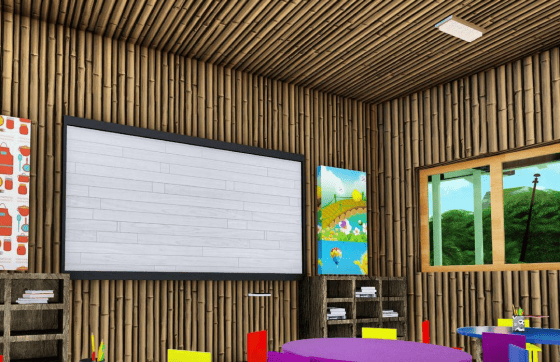
Built with sustainably sourced bamboo, reclaimed wood, and locally sourced materials- reducing carbon emissions while providing durable, safe spaces for learning. These materials are low-cost, renewable, and naturally cooling, perfect for Africa’s climate.