Unveiling Talent: How David turned Struggle into Harmony​

Education doesn’t just open doors—it gives young people the courage to walk through them.
Education doesn’t just open doors—it gives young people the courage to walk through them. For David, a teenager from Nigeria who spent four years out of school after the demolition of his family home, music became his refuge and his revelation. When Slum2School Africa found him, he was 14 years old and had stopped dreaming. Today, he’s not only back in school, but rising in rhythm—with a voice that carries truth, hope, and change.

David: A story to be heard

David had always loved sound—but not silence. Silence came with sadness: when his home was torn down, when school stopped, when his dreams faded.

For four years, he stayed home. His parents tried to rebuild their lives, searching for a new home and stability, but it was hard. Very hard. He watched friends go to school while he stayed behind. He wanted more. But without education, “more” felt impossible.

Then, in 2018, Slum2School Africa found David and enrolled him back in school. He was 14, sitting in a Primary 4 classroom—years behind. But he was back, and that made all the difference. Slowly, he started to find his voice.

A Beat Awakens

It wasn’t until 2021 that David found his true rhythm. Through Slum2School’s mentorship programs, summer classes, and music workshops, David found a safe space to nurture his voice—not just as an artist, but as a leader.

“I met new friends like Malik, Emmanuel, Hubert, Habeebat… people who believed in me,” he says. “Slum2School mentored me, helped me grow academically and musically.”

In music class, he discovered he was a tenor—and he began performing confidently in school and community events. He learned the power of self-expression, the value of education, and the strength of community.

David began attending concerts and experimenting with beats. His first song, “WHY,” was a hit among his peers. His parents, once uncertain, were impressed.

But behind every verse David rapped or sang was a deeper story—a fight to be heard, to be seen, to be believed in. His turning point came when no one believed in his dream. His father especially was unsure. “My parents didn’t want me to be a musician,” he says, “but talent is built inside. It’s a gift.”

With time, support, and undeniable dedication, David began proving everyone wrong.


From Inspiration to Impact

David draws inspiration from international artist Dax, whose raw, honest lyrics helped him face his own pain and struggles. “When I hear a beat,” David says, “my mind connects with it, and words start flowing. Music isn’t just sound—it’s a language. It’s how I speak my truth.”


In 2024, that truth reached new heights: Dax himself commented on a remix David made of his song “LIFE.” It was a moment David still finds hard to believe. “God did!” he says, grinning.


Other artists began reposting his work. People started asking: “Who is Amuse CLURK?” David’s music name was getting noticed.

David is now in SS2, and every day he juggles school, dreams, and determination. He wants to become a professional musician—not just to entertain, but to heal, to inspire, and to speak for those still waiting to be heard.


“When I’m sad, music lifts me. When I’m bored, it gives me life. When I feel like giving up, it reminds me not to.”


"I AM A VOICE FOR MY GENERATION"

– David (AMUSE CLURK)

Slum2School Presents: The Dreamers We Believe In

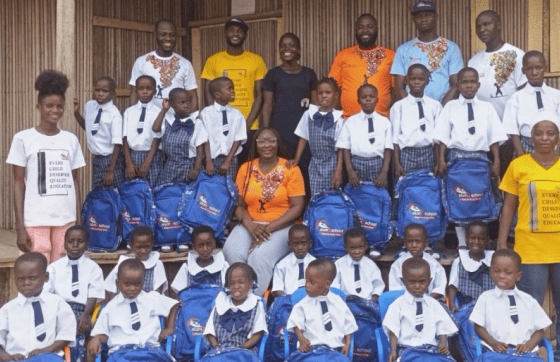
David is just one of the many changemakers being supported by Slum2School Africa—a nonprofit committed to bridging the education gap in underserved communities. Through holistic education, mentorship, and skill-building, Slum2School is helping children like David not only go back to school but find themselves again.


Millions of children in Africa face the brutal consequences of poverty, displacement, and a lack of access to education. But stories like David’s prove that when young people are given the tools, the support, and a chance—they can rise. They can thrive. And they can lead.
YOU CAN MAKE A DIFFERENCE IN THE LIVES OF CHILDREN IN NEED

Help support the education of children across Africa.

Pledge a Birthday

Pledge a Birthday

References

  1. Global Education Monitoring Report Team (2016). Education for people and planet: creating sustainable futures for all.
  2. Comms, D. (2021). The ripple effects of investing in girls’ education. Plan International Australia.
  3. Comms, D. (2021). The ripple effects of investing in girls’ education. Plan International Australia.
  4. Comms, D. (2021). The ripple effects of investing in girls’ education. Plan International Australia.
  5. Global Education Monitoring Report (2023). 244M children won’t start the new school year.
  6. World Bank. (2019). Ending learning poverty: What will it take?
  7. Fatunmole, M. (2023). Key data on early childhood education in Nigeria. The ICIR- Latest News, Politics, Governance, Elections, Investigation, Factcheck, Covid-19
  8. Enoch, A. (2024) Quality education delivers growth – but Africa’s scorecard remains poor. ISS Africa.
  9. UNESCO. (2022). 244 M children won’t start the new school year. Paris: UNESCO.
  10. Fatunmole, M. (2023). Key data on early childhood education in Nigeria. The ICIR- Latest News, Politics, Governance, Elections, Investigation, Factcheck, Covid-19.
  11. World Bank. (2019). Ending learning poverty: What will it take?. World Bank.
  12. Quality education delivers growth – but Africa’s scorecard remains poor | ISS Africa. (n.d.). ISS Africa.
  13. Heminway, J., & Heminway, J. (2023). Why Becoming Educated is Hard in Sub-Saharan Africa – Especially for Girls – The Water Project. The Water Project.
  14. UNICEF, (2021), Transforming Education in Africa.
  15. World Economic Forum. (2023), How Africa’s youth will drive global growth.

Every sponsorship supports:

  • Construction: Eco-friendly school facilities built with locally sourced, sustainable materials

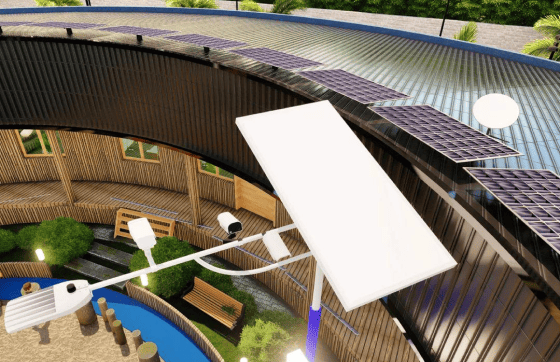
  • Innovation: Solar power, rainwater collection, biogas, gardens, and internet access.

  • Learning & Support: Scholarships, teachers, health services, and psychosocial care.

  • Sustainability: Training, monitoring, and integration into public systems.

9

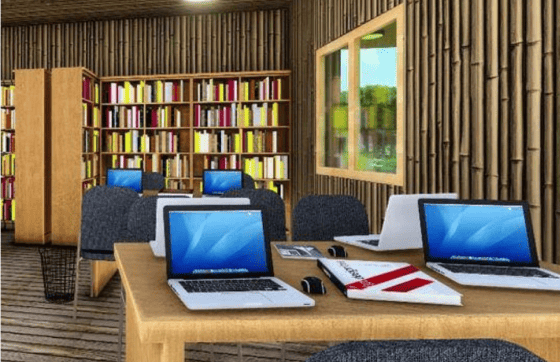
Library & Innovation Lab

Every Green Academy includes a library, STEM and Innovation lab, giving children access to books, technology, and digital resources. This opens doors to coding, research, and global learning experiences that prepare them for the future.

8

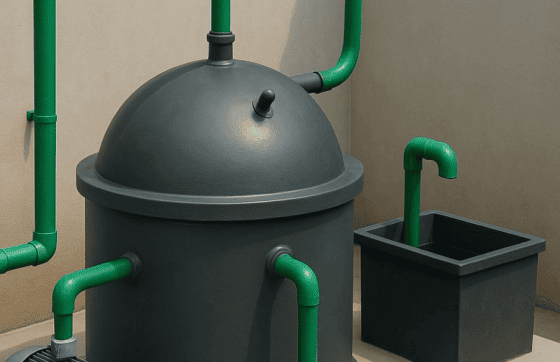
Biogas Systems

Waste from the school is converted into biogas through a clean, closed-loop system. This provides safe cooking energy and powers the backup generator – reducing pollution, improving sanitation, and teaching children about renewable energy in action.

 
7

Full Annual Scholarships

Each Green Academy provides 250+ underserved children with free, high-quality education. Scholarships cover tuition and also books, meals, healthcare, psychosocial support, and skills development, ensuring every child has the tools to thrive.

6

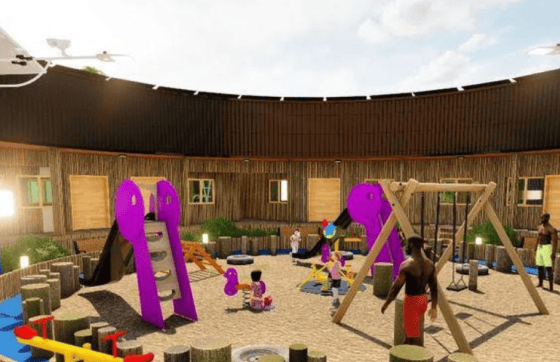
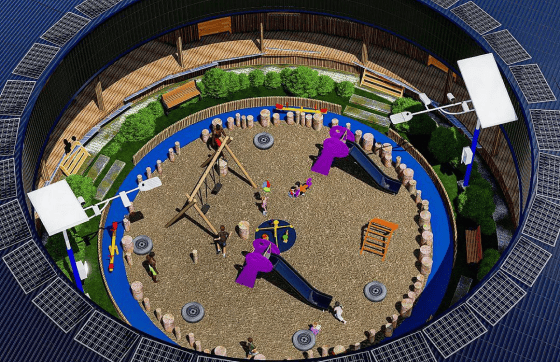
Open-Air Design

Classrooms are designed with circular, open-air structures that maximize natural airflow and light. This reduces heat, lowers energy use, and creates healthier learning environments, without the need for costly air conditioning.

 
5

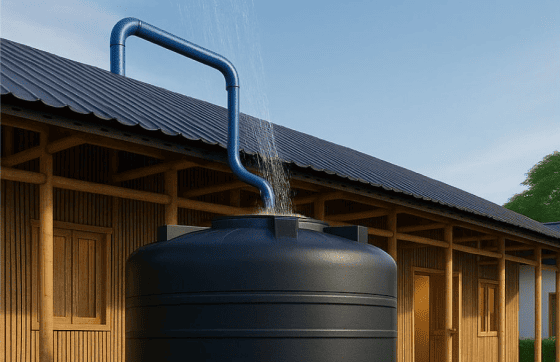
Rainwater Systems

Green Academies are built with rooftop rainwater collection systems. Rainwater is stored, filtered, and treated to provide safe drinking water for students, teachers, and the wider community-improving health and reducing time spent fetching water.

4

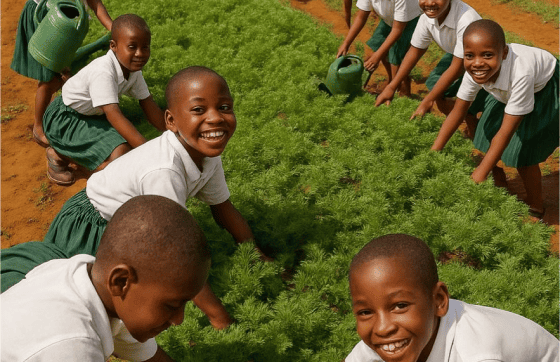
Gardens & Biodiversity

Outdoor gardens and biodiversity spaces make learning hands-on and holistic. Children grow food, study ecosystems, and learn sustainable
agriculture. These green spaces also support nutrition programs, providing fresh produce for students.

3

Satellite Internet

For many communities, Green Academies provide their very first internet connection. Through satellite technology, children gain access to digital learning, global knowledge, and virtual mentorship. It also connects teachers and families to new opportunities and resources.

 
2

Solar Power

Every Green Academy runs fully on clean solar energy. This ensures classrooms, labs, and digital tools stay powered without reliance on
unstable grids or generators. With solar, learning continues seamlessly, even at night or during power cuts.

1

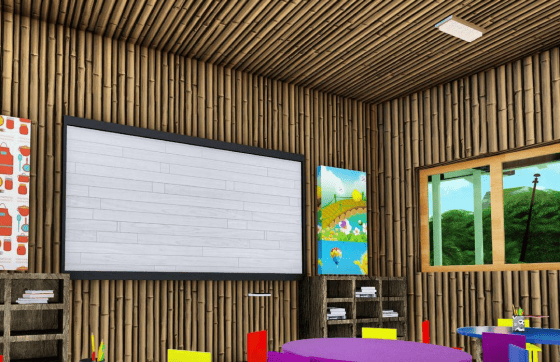
Built with sustainably sourced bamboo, reclaimed wood, and locally sourced materials- reducing carbon emissions while providing durable, safe spaces for learning. These materials are low-cost, renewable, and naturally cooling, perfect for Africa’s climate.