Wesu Lokossu Fabian
At age 15, Wesu Fabian is finally starting school.


For most children, the first day of school happens at age 4 or 5.

For Wesu Lokossu Fabian, it happened at 15.


For years, Wesu’s world was a small wooden stall in the heart of Makoko, where she helped her mother sell noodles to support her family. She had once been a pupil, but when her mother gave birth and needed help caring for her younger sibling and running the business, Wesu stepped in. School stopped. Time moved on.

In communities like hers, when survival is the priority, education often becomes a luxury. And like many girls around her, the weight of family responsibilities pushed Wesu out of school long before she ever had a chance to truly begin.


But in 2023, everything changed.


During Slum2School’s enrollment drive, Wesu was identified as one of the many girls who had dropped out of school, not because of lack of interest, but because life had demanded sacrifice. When she was enrolled, her age placed her in an unusual situation: while she should have been in upper primary, she had never completed the foundational levels. And so, at 15 years old, Wesu began Primary 1 so she could rebuild her academic foundation.


Some would have seen this as a setback.

Wesu saw it as an opportunity.


Her teachers, Mrs. Sevo and Ms. Anifat, immediately recognized her determination. They onboarded her onto the Slum2School remedial program, personalized to help her catch up – early mornings, extra lessons, simplified modules, and constant encouragement. What they discovered surprised everyone: Wesu was a fast learner. She absorbed concepts quickly, asked thoughtful questions, and pushed through every challenge with quiet confidence. Even when her peers paused, Wesu kept going.


By the end of the school year, in what can only be described as extraordinary progress, she had moved from Primary 1 to Primary 5, a leap that reflected not only the power of structured learning but the strength of a child determined to reclaim her future. 


Today, in the 2024/2025 academic session, Wesu is thriving in Primary 5.

Her teacher, Mrs. Damilola, describes her as “a keen learner who consistently scores 65% or higher and refuses to let anything stop her”, a remarkable achievement for a learner who, just a year earlier, had been completely out of the education system.


Wesu dreams big.

She talks about challenging herself with the Common Entrance Examination, boldly choosing to test herself against a national academic standard she once believed was out of reach.

She talks about becoming an entrepreneur someday.

She talks about a future that once seemed impossible.


Beyond academics, Wesu is vibrant and full of life, she loves dancing, hairstyling, and learning new things. And with every passing day, she walks with a confidence that comes from finally being seen, supported, and given the tools to succeed.


When asked what she would say to her teachers if she could say only one thing, her words were simple, heartfelt, and telling of her journey:


“Thank you for teaching me in a way that is easy to understand.”


For a girl who waited 15 years to start school, learning isn’t just education – it’s freedom, dignity, and a second chance.

Wesu’s story is more than a testimony of academic acceleration; it is a reminder of what becomes possible when children are given access to education, teachers who believe in them, and a community that cheers them on.


And this is what Slum2School makes possible for every child, every single day.
YOU CAN MAKE A DIFFERENCE IN THE LIVES OF CHILDREN IN NEED

Help support the education of children across Africa.

Pledge a Birthday

Pledge a Birthday

References

  1. Global Education Monitoring Report Team (2016). Education for people and planet: creating sustainable futures for all.
  2. Comms, D. (2021). The ripple effects of investing in girls’ education. Plan International Australia.
  3. Comms, D. (2021). The ripple effects of investing in girls’ education. Plan International Australia.
  4. Comms, D. (2021). The ripple effects of investing in girls’ education. Plan International Australia.
  5. Global Education Monitoring Report (2023). 244M children won’t start the new school year.
  6. World Bank. (2019). Ending learning poverty: What will it take?
  7. Fatunmole, M. (2023). Key data on early childhood education in Nigeria. The ICIR- Latest News, Politics, Governance, Elections, Investigation, Factcheck, Covid-19
  8. Enoch, A. (2024) Quality education delivers growth – but Africa’s scorecard remains poor. ISS Africa.
  9. UNESCO. (2022). 244 M children won’t start the new school year. Paris: UNESCO.
  10. Fatunmole, M. (2023). Key data on early childhood education in Nigeria. The ICIR- Latest News, Politics, Governance, Elections, Investigation, Factcheck, Covid-19.
  11. World Bank. (2019). Ending learning poverty: What will it take?. World Bank.
  12. Quality education delivers growth – but Africa’s scorecard remains poor | ISS Africa. (n.d.). ISS Africa.
  13. Heminway, J., & Heminway, J. (2023). Why Becoming Educated is Hard in Sub-Saharan Africa – Especially for Girls – The Water Project. The Water Project.
  14. UNICEF, (2021), Transforming Education in Africa.
  15. World Economic Forum. (2023), How Africa’s youth will drive global growth.

Every sponsorship supports:

  • Construction: Eco-friendly school facilities built with locally sourced, sustainable materials

  • Innovation: Solar power, rainwater collection, biogas, gardens, and internet access.

  • Learning & Support: Scholarships, teachers, health services, and psychosocial care.

  • Sustainability: Training, monitoring, and integration into public systems.

9

Library & Innovation Lab

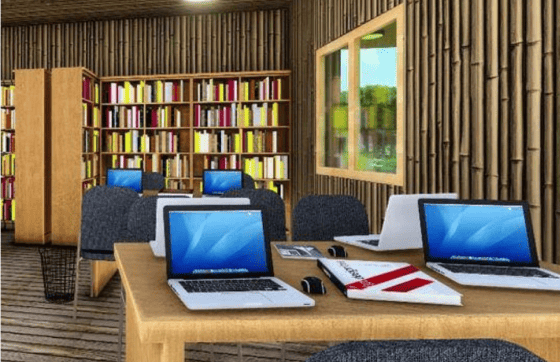
Every Green Academy includes a library, STEM and Innovation lab, giving children access to books, technology, and digital resources. This opens doors to coding, research, and global learning experiences that prepare them for the future.

8

Biogas Systems

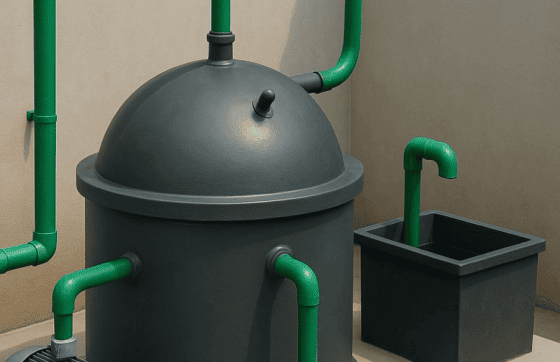
Waste from the school is converted into biogas through a clean, closed-loop system. This provides safe cooking energy and powers the backup generator – reducing pollution, improving sanitation, and teaching children about renewable energy in action.

 
7

Full Annual Scholarships

Each Green Academy provides 250+ underserved children with free, high-quality education. Scholarships cover tuition and also books, meals, healthcare, psychosocial support, and skills development, ensuring every child has the tools to thrive.

6

Open-Air Design

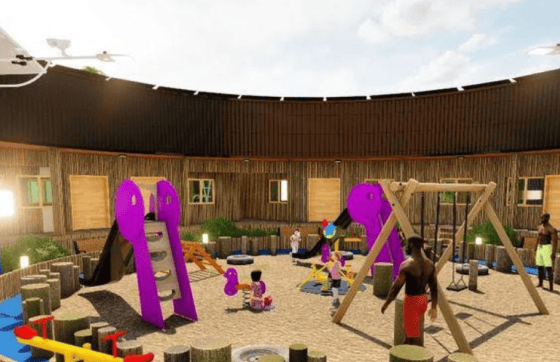
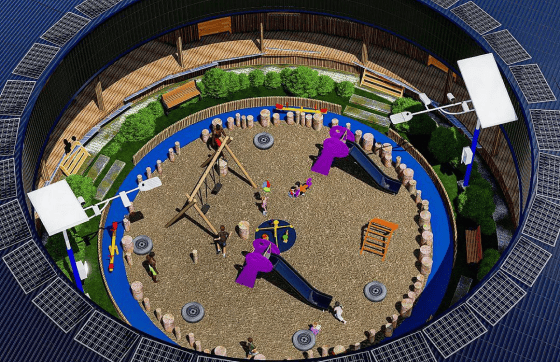
Classrooms are designed with circular, open-air structures that maximize natural airflow and light. This reduces heat, lowers energy use, and creates healthier learning environments, without the need for costly air conditioning.

 
5

Rainwater Systems

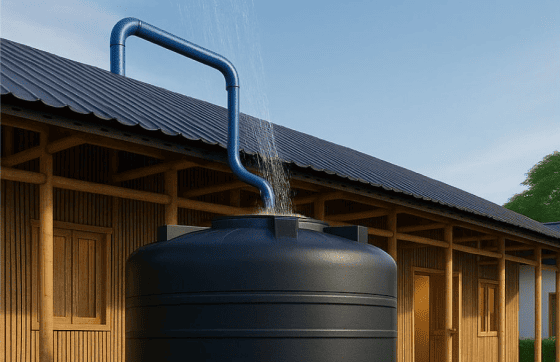
Green Academies are built with rooftop rainwater collection systems. Rainwater is stored, filtered, and treated to provide safe drinking water for students, teachers, and the wider community-improving health and reducing time spent fetching water.

4

Gardens & Biodiversity

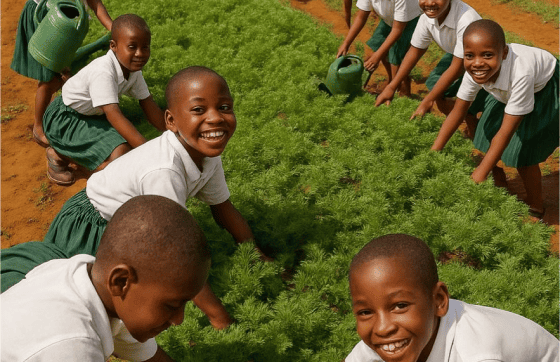
Outdoor gardens and biodiversity spaces make learning hands-on and holistic. Children grow food, study ecosystems, and learn sustainable
agriculture. These green spaces also support nutrition programs, providing fresh produce for students.

3

Satellite Internet

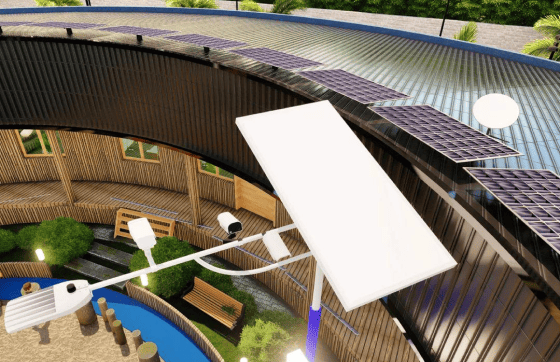
For many communities, Green Academies provide their very first internet connection. Through satellite technology, children gain access to digital learning, global knowledge, and virtual mentorship. It also connects teachers and families to new opportunities and resources.

 
2

Solar Power

Every Green Academy runs fully on clean solar energy. This ensures classrooms, labs, and digital tools stay powered without reliance on
unstable grids or generators. With solar, learning continues seamlessly, even at night or during power cuts.

1

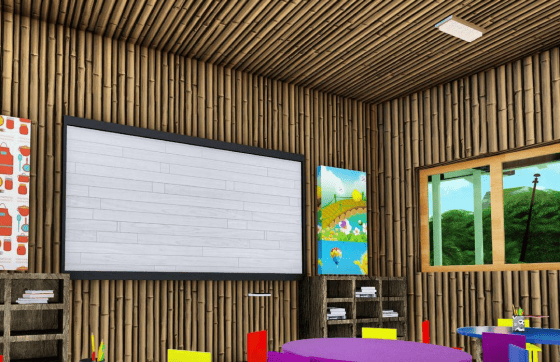
Built with sustainably sourced bamboo, reclaimed wood, and locally sourced materials- reducing carbon emissions while providing durable, safe spaces for learning. These materials are low-cost, renewable, and naturally cooling, perfect for Africa’s climate.