Become an Education Sponsor

By sponsoring a Slum2School Green Academy, you provide quality education, opportunity, and hope for children in underserved
communities across Africa. With your partnership, we can build innovative, climate-smart schools that change lives—classroom by
classroom, child by child, and community by community.

How Sponsorship Works

While building an Academy is no simple task, we believe sponsoring one should be. Here’s how it works:
Your Gift Builds Where It’s Needed Most

Setting up a classroom starts at $13,500, serving 25 children annually. Establishing a full Green Academy begins at $180,000 and can cost more, depending on the project and location - serving 250+ children on full scholarships.
We Keep You Connected

While work is underway, we’ll share updates from the ground - photos, stories, and progress reports - so you can see the difference
you’re making as each classroom or Academy comes to life.

You See Your Impact in Real Time

Within 12 months, your sponsored Academy will be operational. You’ll receive a customized Impact Report showing; photos and stories of the children you’ve helped, Academy details (location, features, enrollment numbers), progress metrics (attendance,
literacy/numeracy gains).

The Green Academy

Each Green Academy is more than a school. It’s an ecosystem of learning, sustainability, and community transformation.

Why It’s Worth It

When a community receives a Green Academy, everything changes;

Children lean faster-literacy and numeracy in just months.

Families are supported with health, nutrition, and psychosocial services. 

Communities thrive, gaining access to technology, water, energy, and sustainable practices. 

Public systems strengthen - as we integrate into national education strategies for scale.

It is truly one of the most transformative investments you can make.

Let’s Build Your Legacy

Your support builds more than a school, it builds a legacy. When you sponsor a Green Academy, you have the opportunity to name or customize the Academy in recognition of your commitment. This could mean:

Retaining the household name Slum2School Green Academy with your name proudly attached.

Designing a unique feature with your recognition, or a dedicated space like a library or lab that carries your name.

Creating a high-visibility, lasting mark of your support that children, families, and the wider community will celebrate for
generations.

A partnership of this kind not only transforms education, it reflects your values in a visible, meaningful, and enduring way

Ready to sponsor?

Here are ways you can make an impact:

Sponsor a Classroom

Starts at $13,500, serves 25 children every year.

Sponsor an Academy 

Starts at $180,000, builds a full Green Academy for 250+ children.

Co-Sponsor with Partners

Collaborate with other sponsors to fund a project.

Legacy Giving & Institutional Grants 

Make large-scale, multi-year commitments for impact at scale.

Want to learn more? Reach out to us

Let’s design a collaboration that matches your goals with measurable impact.

Tell us about your sponsorship goals

Become an Education Sponsor

Green Academy, Saga, Nigeria

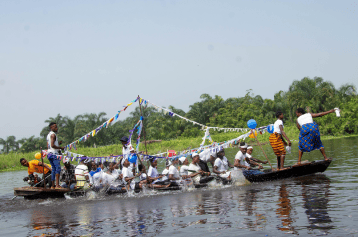
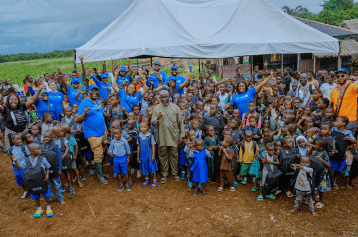
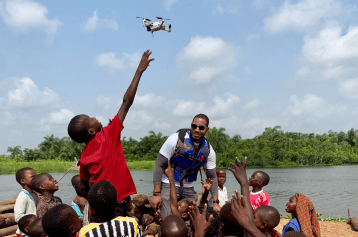
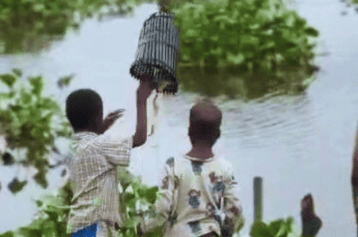
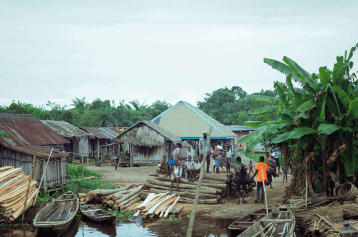
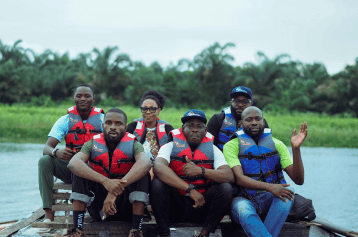
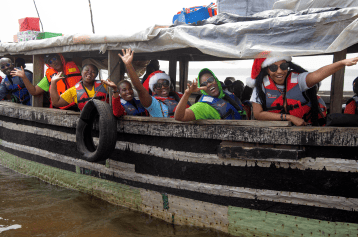
Saga is a small riverine community in western Nigeria where most families rely on fishing and subsistence farming. For decades, children in Saga had no access to formal education, with the nearest school hours away by canoe. Many grew up without learning to read or write, and opportunities for families remained limited, no clean water, electricity or health care.

Meet Our Pilot Academy

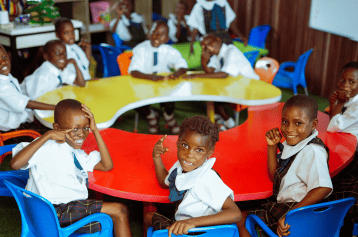
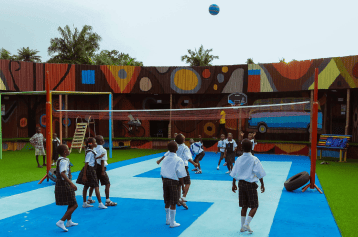
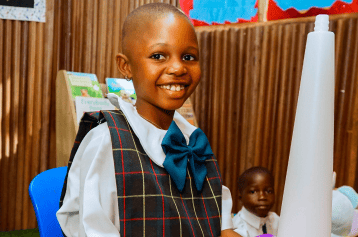
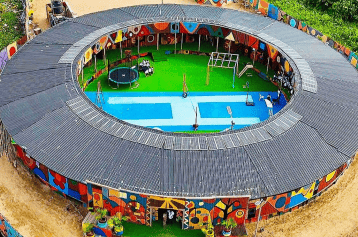
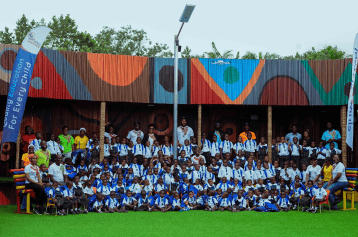
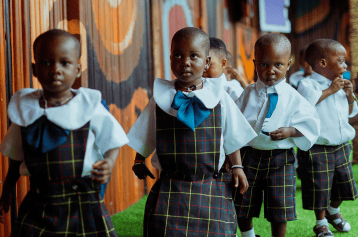
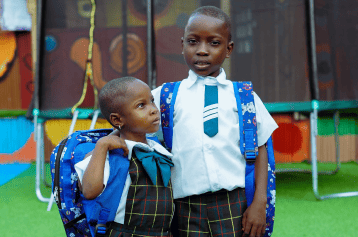
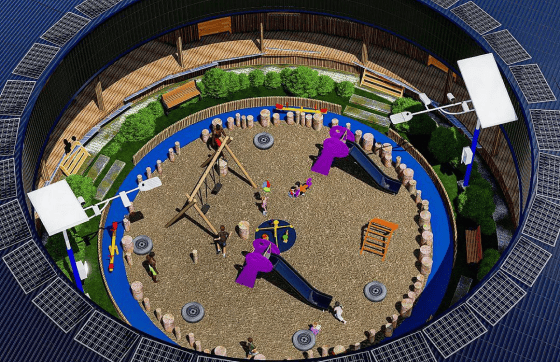
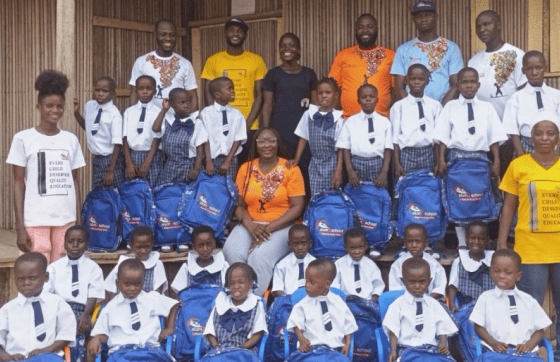
In 2025, we launched the very first Slum2School Green Academy in Saga. The Academy now provides 250 children across 8 communities with full scholarships and access to world-class, climate-smart classrooms powered by solar energy and connected by satellite internet. Families also benefit from clean water through rainwater harvesting, renewable energy from solar and biogas, healthcare and community gardens that improve nutrition.

Frequently Asked Questions

Project costs are carefully calculated based on location, design requirements, materials, labor, and community needs. For example, while a classroom starts at $13,500, a full Green Academy starts from $180,000 and can cost more, depending on land conditions, infrastructure needs, learner capacity and the level of customization or additional features required. We ensure every budget is transparent, realistic, and focused on long-term sustainability.

We prioritize underserved communities with the highest need, including education, health, and infrastructure assessments, as well as community readiness and government collaboration

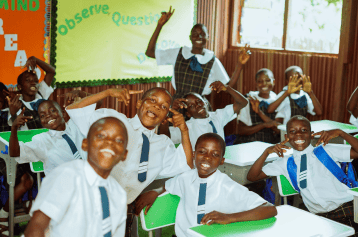
Each Academy provides free, high-quality education for upwards of 250 children annually – with classrooms designed for 25 learners each.

On average, 12-18 months from groundbreaking to completion, depending on location, terrain, and scope of work.

We provide tailored Impact Reports with photos, stories, enrollment data, GPS coordinates, and updates on student outcomes and community benefits.

Yes. Sponsors may have naming opportunities or unique features within the Academy that showcase their legacy – while keeping the Slum2School Green Academy identity central.

We host curated tours and site visits, ensuring your experience is meaningful while keeping children’s learning uninterrupted.
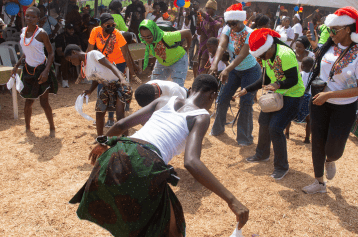
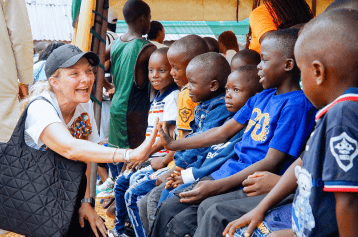
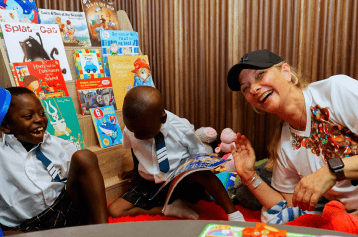
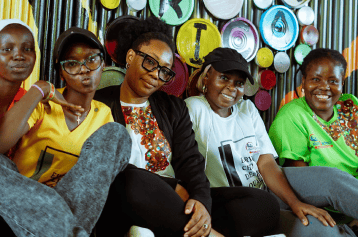
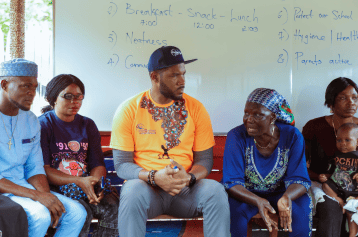
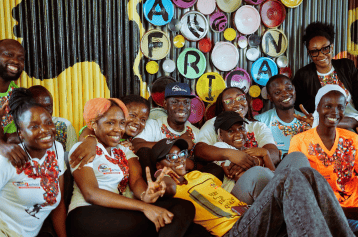
Partners, volunteers and donors also engage with the children and local families through various programs.

Every Academy is designed for long-term sustainability through local teacher training, eco-smart construction, and integration into public education systems.

Saga is only the beginning. Our vision is to replicate 100+ Green Academies across Nigeria and Africa, ensuring no child is left behind because of where they are born.

Talk to a Team Member

If you have any more questions, please reach out, we would love to share more about our education sponsorship opportunities

Email

[email protected]

Every sponsorship supports:

  • Construction: Eco-friendly school facilities built with locally sourced, sustainable materials

  • Innovation: Solar power, rainwater collection, biogas, gardens, and internet access.

  • Learning & Support: Scholarships, teachers, health services, and psychosocial care.

  • Sustainability: Training, monitoring, and integration into public systems.

1

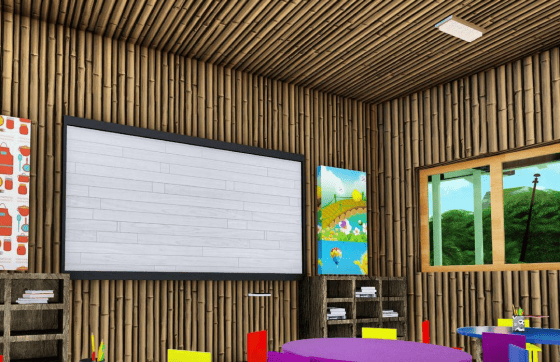
Built with sustainably sourced bamboo, reclaimed wood, and locally sourced materials- reducing carbon emissions while providing durable, safe spaces for learning. These materials are low-cost, renewable, and naturally cooling, perfect for Africa’s climate.

2

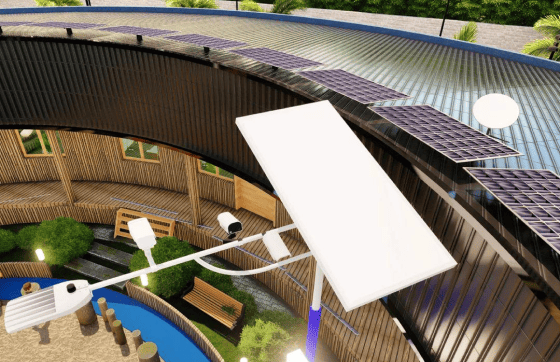
Solar Power

Every Green Academy runs fully on clean solar energy. This ensures classrooms, labs, and digital tools stay powered without reliance on
unstable grids or generators. With solar, learning continues seamlessly, even at night or during power cuts.

3

Satellite Internet

For many communities, Green Academies provide their very first internet connection. Through satellite technology, children gain access to digital learning, global knowledge, and virtual mentorship. It also connects teachers and families to new opportunities and resources.

 
4

Gardens & Biodiversity

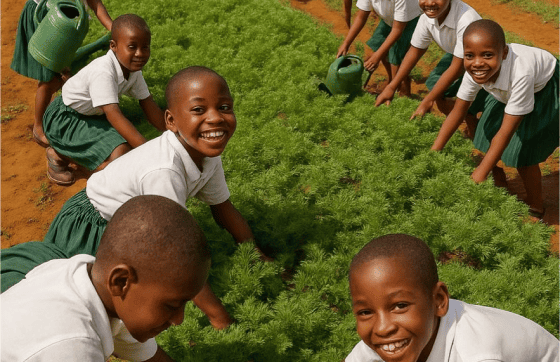
Outdoor gardens and biodiversity spaces make learning hands-on and holistic. Children grow food, study ecosystems, and learn sustainable
agriculture. These green spaces also support nutrition programs, providing fresh produce for students.

5

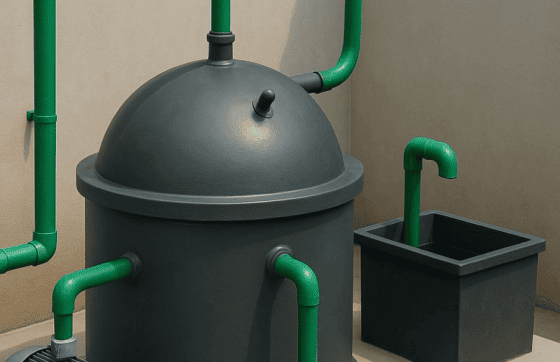
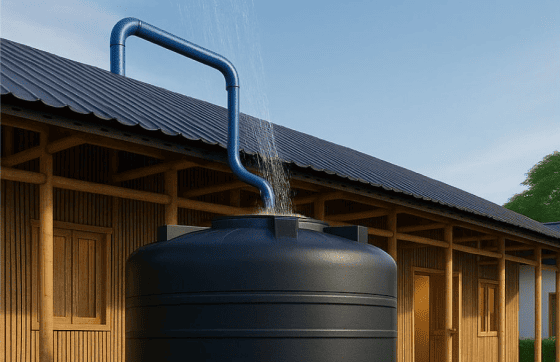
Rainwater Systems

Green Academies are built with rooftop rainwater collection systems. Rainwater is stored, filtered, and treated to provide safe drinking water for students, teachers, and the wider community-improving health and reducing time spent fetching water.

6

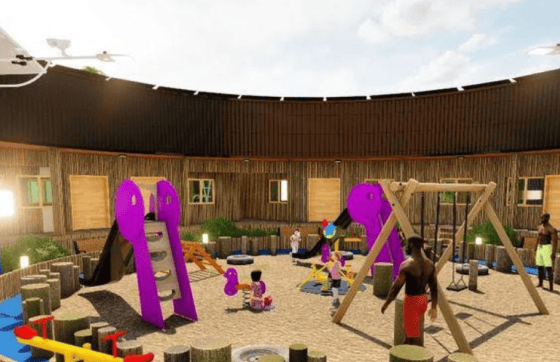
Open-Air Design

Classrooms are designed with circular, open-air structures that maximize natural airflow and light. This reduces heat, lowers energy use, and creates healthier learning environments, without the need for costly air conditioning.

 
7

Full Annual Scholarships

Each Green Academy provides 250+ underserved children with free, high-quality education. Scholarships cover tuition and also books, meals, healthcare, psychosocial support, and skills development, ensuring every child has the tools to thrive.

8

Biogas Systems

Waste from the school is converted into biogas through a clean, closed-loop system. This provides safe cooking energy and powers the backup generator – reducing pollution, improving sanitation, and teaching children about renewable energy in action.

 
9

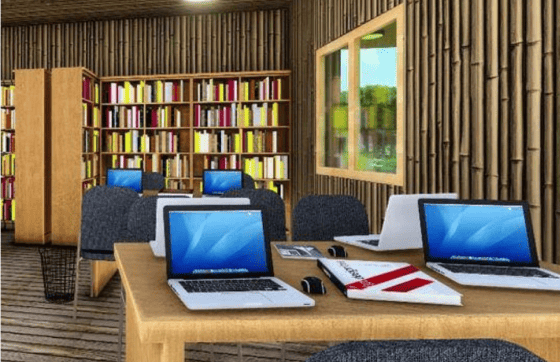
Library & Innovation Lab

Every Green Academy includes a library, STEM and Innovation lab, giving children access to books, technology, and digital resources. This opens doors to coding, research, and global learning experiences that prepare them for the future.

Pledge a Birthday

Pledge a Birthday

References

  1. Global Education Monitoring Report Team (2016). Education for people and planet: creating sustainable futures for all.
  2. Comms, D. (2021). The ripple effects of investing in girls’ education. Plan International Australia.
  3. Comms, D. (2021). The ripple effects of investing in girls’ education. Plan International Australia.
  4. Comms, D. (2021). The ripple effects of investing in girls’ education. Plan International Australia.
  5. Global Education Monitoring Report (2023). 244M children won’t start the new school year.
  6. World Bank. (2019). Ending learning poverty: What will it take?
  7. Fatunmole, M. (2023). Key data on early childhood education in Nigeria. The ICIR- Latest News, Politics, Governance, Elections, Investigation, Factcheck, Covid-19
  8. Enoch, A. (2024) Quality education delivers growth – but Africa’s scorecard remains poor. ISS Africa.
  9. UNESCO. (2022). 244 M children won’t start the new school year. Paris: UNESCO.
  10. Fatunmole, M. (2023). Key data on early childhood education in Nigeria. The ICIR- Latest News, Politics, Governance, Elections, Investigation, Factcheck, Covid-19.
  11. World Bank. (2019). Ending learning poverty: What will it take?. World Bank.
  12. Quality education delivers growth – but Africa’s scorecard remains poor | ISS Africa. (n.d.). ISS Africa.
  13. Heminway, J., & Heminway, J. (2023). Why Becoming Educated is Hard in Sub-Saharan Africa – Especially for Girls – The Water Project. The Water Project.
  14. UNICEF, (2021), Transforming Education in Africa.
  15. World Economic Forum. (2023), How Africa’s youth will drive global growth.