For children and families in underserved communities, education changes everything. Health, Dignity, Girls & Women Empowered, National Development

Every child deserves the same opportunity. Yet 98 million children across Africa live without the basic education they need for life long success.

That’s nearly 1 in 3 primary-age children, or about the same as the entire populations of Kenya and South Africa combined. Girls often face even greater challenges – from early marriage to cultural norms that deny them the right to learn.

But access to education means better health, higher incomes, gender equality, stronger communities, and lasting economic groth.

Because when you educate a child, you don’t just change their future, you change the future of their family, their community, and their country.

Education Changes Everything

When you give a child access to education, you can uplift 171 million people out of poverty. Every year of schooling can increase a child’s future earnings by up to 10%, giving families the tools to escape poverty.

Lack of education expose children to lower health literacy and higher vulnerability to
diseases. Education helps children understand hygiene, nutrition, and disease prevention. Literate parents are
more likely to seek medical care and adopt healthy behaviours, reducing childhood illness and mortality

23% of girls in Sub-Saharan Africa are out of primary school, compared to
19% of boys. Educating girls reduces child mortality by up to 49%, delays early marriage, increases participation in the
workforce, and empowers women to make decisions for themselves and their families

Children who learn become adults who lead. A more educated population can raise
a country’s GDP by up to 18%. Education strengthens communities by creating informed citizens, engaged parents, and active leaders, fueling long-term development and opportunity for all. 

Education Changes Everything

When you give a child access to education, you can uplift 171 million people out of poverty. Every year of schooling can increase a child’s future earnings by up to 10%, giving families the tools to escape poverty.

23% of girls in Sub-Saharan Africa are out of primary school, compared to
19% of boys. Educating girls reduces child mortality by up to 49%, delays early marriage, increases participation in the
workforce, and empowers women to make decisions for themselves and their families

Lack of education expose children to lower health literacy and higher vulnerability to
diseases. Education helps children understand hygiene, nutrition, and disease prevention. Literate parents are
more likely to seek medical care and adopt healthy behaviours, reducing childhood illness and mortality

Children who learn become adults who lead. A more educated population can raise
a country’s GDP by up to 18%. Education strengthens communities by creating informed citizens, engaged parents, and active leaders, fueling long-term development and opportunity for all. 

How do we tackle the education crisis?

We work with communities, governments, and the private sector to transform education in underserved regions. In each community, we provide tech-enabled learning centers, trained local teachers, scholarships, skills development, health and psychosocial care, so every child can thrive. Through sustained advocacy and community ownership, we embed inclusive, holistic, high-quality education into public systems, preparing young learners for academic success, lifelong growth, and meaningful contributions to their communities.

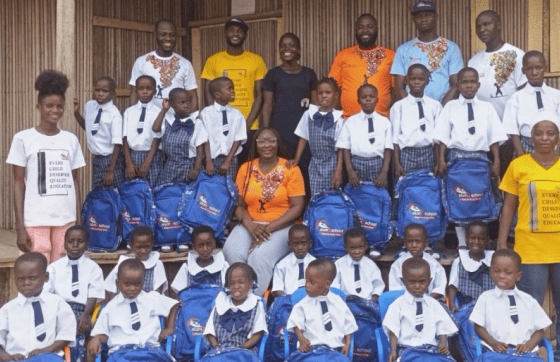
Quality Education changed the lives of Alfred, Jennifer and Mary, and transformed a 100 year old
community​

slum2school fashio (1)
Income

Alfred's Story

jennifer williams
Health

Jennifer's Story

Girl's & Women

Mary's Story

slum2school (6)
Economic Growth

Saga's Story

Every $1 invested in quality education yields up to $10 to $15 in economic returns UNESCO+1. It’s one of the smartest investments we can make – education fuels productivity, drives innovation, reduces poverty, and unlocks the potential of entire communities for generations. It is perhaps the most impactful, long-term investment humanity can make.

Education Cannot Wait

In Sub-Saharan Africa, 98 million children are out of school. Among those enrolled, 3 in 4 second graders cannot count beyond 80, and nearly 9 in 10 ten-year-olds cannot read and understand a simple text.


The continent faces a shortage of 15 million teachers and 9 million classrooms, even as Africa’s child population is set to reach 1 billion by 2050. Without urgent action, an entire generation risks being left behind. But with access to quality education – skilled teachers, safe classrooms, and the right support – children can learn, break the cycle of poverty, and drive Africa’s future growth.

Children
0 M

Out of school in Sub-Saharan Africa
– 2022 UNESCO

Children
0 %

In second grade cannot count beyond the number 80
– 2018, WORLD BANK

Children
0 %

Aged 10 years unable to read and understand a simple text
– 2022 WORLD BANK

More Teachers
0 M

Are needed to achieve universal primary and secondary education by 2030
– 2022, UNESCO

More Classrooms
0 M

By 2050, to address the education challenge for children and adolescents
– 2022, UNESCO

Children & Adolescent
0 B

Aged 0-18 years in Africa by 2025
– 2021, UNICEF

Why This Matters

Until every child has access to quality education

Remarkable ROI

UNESCO confirms that investing in education yields a return of ten to fifteen
times the original amount, underscoring its incredible efficiency 

Poverty Reduction

According to UNESCO, basic reading skills for all students in low-income
countries could lift 171 million people out of poverty

Higher Incomes

The World Bank reports that each additional year of schooling translates into
approximately a 10% increase in individual earningsa

Accelerated Growth

UNESCO statistics show that education has contributed to a 40% reduction in extreme poverty since 1980, and that each dollar spent on education can generate up to $15 in
growth as part of broader national development 

School is just the start

When children get the chance to learn, they start to see a world beyond their street or neighborhood. They discover new ideas, dream about careers they’ve never heard of before, and believe they can make their dreams real and transform their communities.


Watch this video to meet some of our incredible young leaders who are transforming their
communities and changing the narrative for future generations across Africa.

Access to quality education gives children the tools to learn, grow, and thrive so they can read, count, and explore their potential. Education empowers young learners, builds stronger communities, and opens the door to a brighter future for families and societies across Africa

Stories of Impact

Help bring quality education and a better future to children across Africa

Pledge a Birthday

Pledge a Birthday

References

  1. Global Education Monitoring Report Team (2016). Education for people and planet: creating sustainable futures for all.
  2. Comms, D. (2021). The ripple effects of investing in girls’ education. Plan International Australia.
  3. Comms, D. (2021). The ripple effects of investing in girls’ education. Plan International Australia.
  4. Comms, D. (2021). The ripple effects of investing in girls’ education. Plan International Australia.
  5. Global Education Monitoring Report (2023). 244M children won’t start the new school year.
  6. World Bank. (2019). Ending learning poverty: What will it take?
  7. Fatunmole, M. (2023). Key data on early childhood education in Nigeria. The ICIR- Latest News, Politics, Governance, Elections, Investigation, Factcheck, Covid-19
  8. Enoch, A. (2024) Quality education delivers growth – but Africa’s scorecard remains poor. ISS Africa.
  9. UNESCO. (2022). 244 M children won’t start the new school year. Paris: UNESCO.
  10. Fatunmole, M. (2023). Key data on early childhood education in Nigeria. The ICIR- Latest News, Politics, Governance, Elections, Investigation, Factcheck, Covid-19.
  11. World Bank. (2019). Ending learning poverty: What will it take?. World Bank.
  12. Quality education delivers growth – but Africa’s scorecard remains poor | ISS Africa. (n.d.). ISS Africa.
  13. Heminway, J., & Heminway, J. (2023). Why Becoming Educated is Hard in Sub-Saharan Africa – Especially for Girls – The Water Project. The Water Project.
  14. UNICEF, (2021), Transforming Education in Africa.
  15. World Economic Forum. (2023), How Africa’s youth will drive global growth.

Every sponsorship supports:

  • Construction: Eco-friendly school facilities built with locally sourced, sustainable materials

  • Innovation: Solar power, rainwater collection, biogas, gardens, and internet access.

  • Learning & Support: Scholarships, teachers, health services, and psychosocial care.

  • Sustainability: Training, monitoring, and integration into public systems.

9

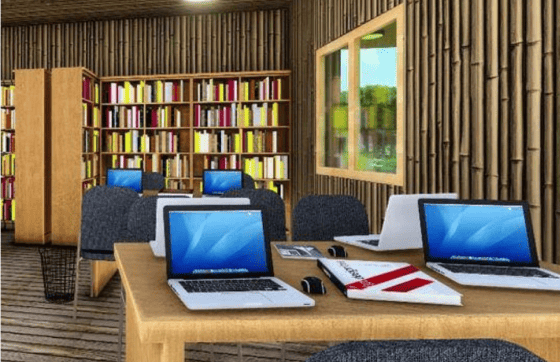
Library & Innovation Lab

Every Green Academy includes a library, STEM and Innovation lab, giving children access to books, technology, and digital resources. This opens doors to coding, research, and global learning experiences that prepare them for the future.

8

Biogas Systems

Waste from the school is converted into biogas through a clean, closed-loop system. This provides safe cooking energy and powers the backup generator – reducing pollution, improving sanitation, and teaching children about renewable energy in action.

 
7

Full Annual Scholarships

Each Green Academy provides 250+ underserved children with free, high-quality education. Scholarships cover tuition and also books, meals, healthcare, psychosocial support, and skills development, ensuring every child has the tools to thrive.

6

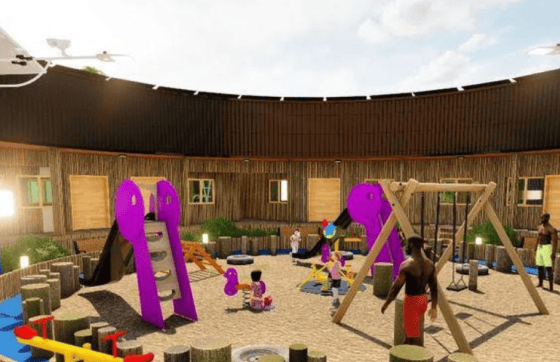
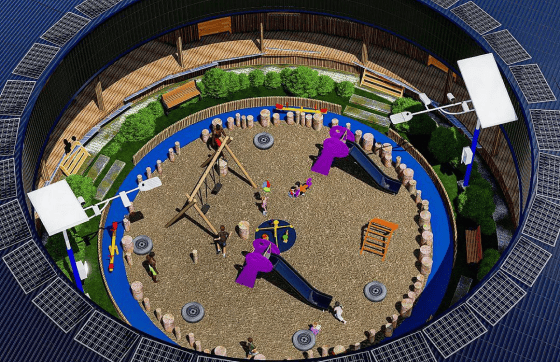
Open-Air Design

Classrooms are designed with circular, open-air structures that maximize natural airflow and light. This reduces heat, lowers energy use, and creates healthier learning environments, without the need for costly air conditioning.

 
5

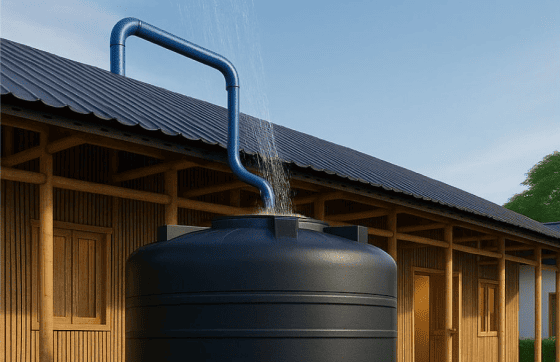
Rainwater Systems

Green Academies are built with rooftop rainwater collection systems. Rainwater is stored, filtered, and treated to provide safe drinking water for students, teachers, and the wider community-improving health and reducing time spent fetching water.

4

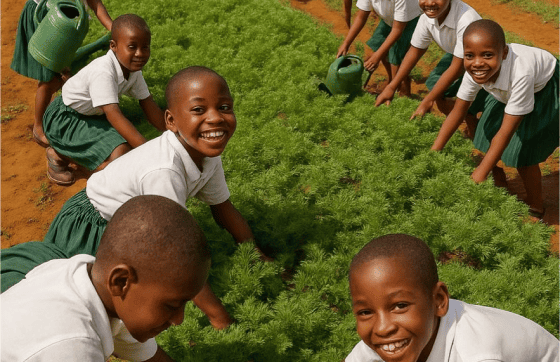
Gardens & Biodiversity

Outdoor gardens and biodiversity spaces make learning hands-on and holistic. Children grow food, study ecosystems, and learn sustainable
agriculture. These green spaces also support nutrition programs, providing fresh produce for students.

3

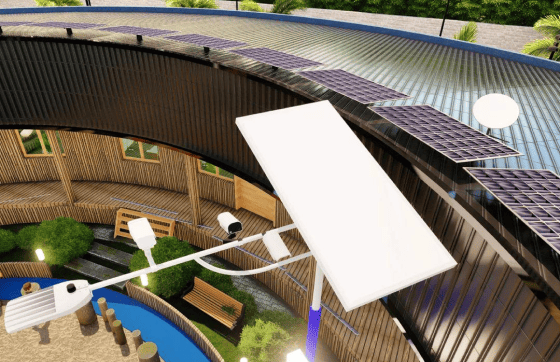
Satellite Internet

For many communities, Green Academies provide their very first internet connection. Through satellite technology, children gain access to digital learning, global knowledge, and virtual mentorship. It also connects teachers and families to new opportunities and resources.

 
2

Solar Power

Every Green Academy runs fully on clean solar energy. This ensures classrooms, labs, and digital tools stay powered without reliance on
unstable grids or generators. With solar, learning continues seamlessly, even at night or during power cuts.

1

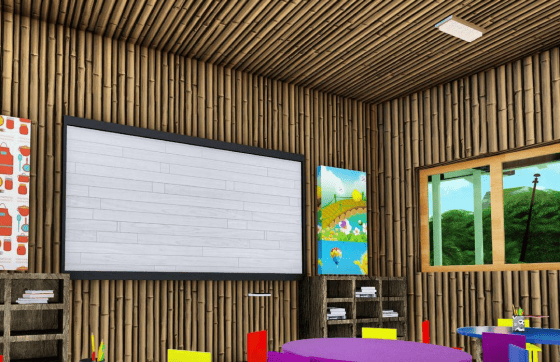
Built with sustainably sourced bamboo, reclaimed wood, and locally sourced materials- reducing carbon emissions while providing durable, safe spaces for learning. These materials are low-cost, renewable, and naturally cooling, perfect for Africa’s climate.